

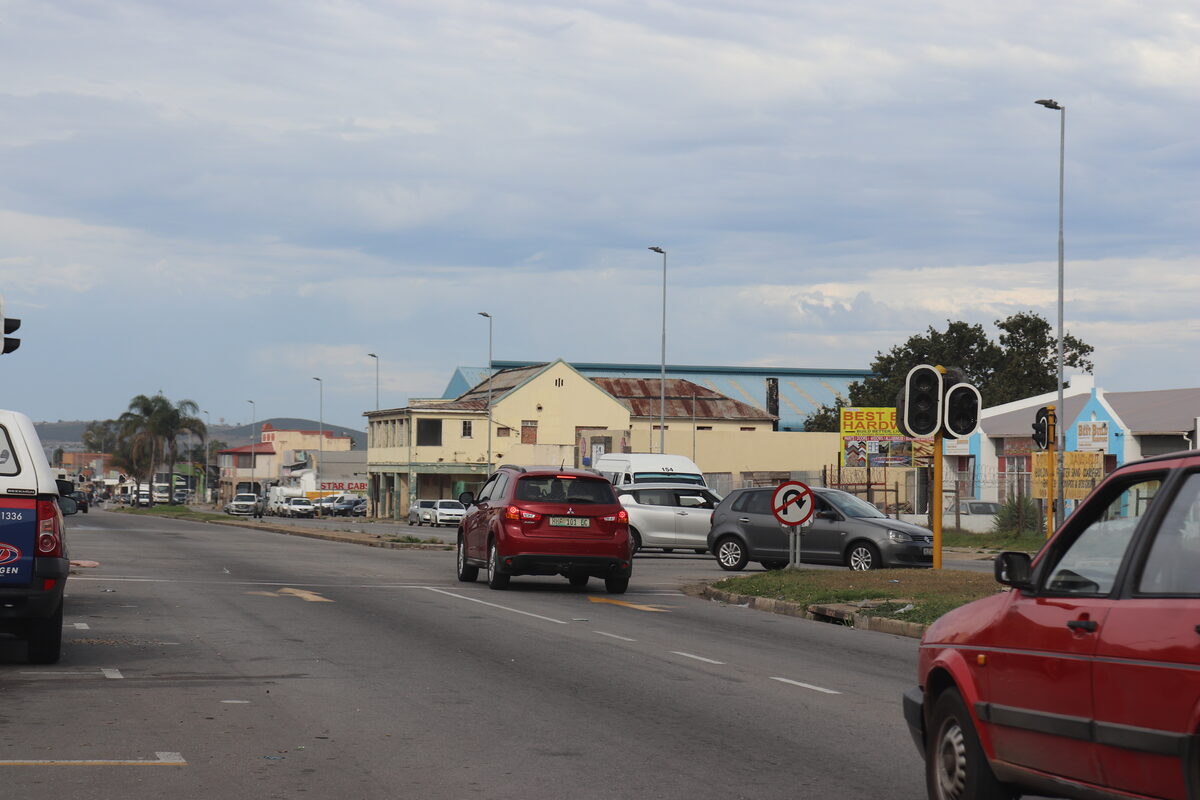
Durban Street in the Kariega CBD is one of the main entry points into the town, connecting directly to Old Uitenhage Road.
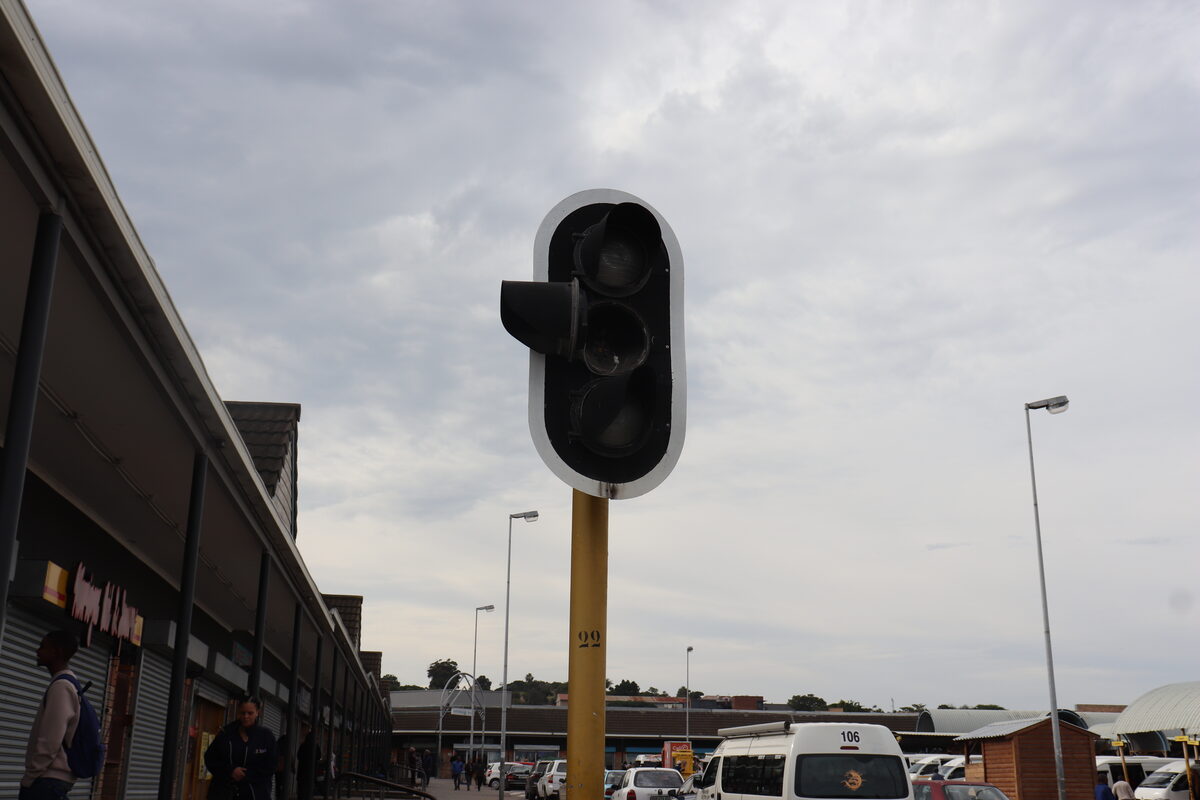
It is also among the many busy roads in the Nelson Mandela Bay District plagued by non-functional traffic intersections. On Durban Street alone, traffic lights at five intersections: Stow Road, Upper Drosdy Street, Chase Street, Market Street, and Baird Street are completely out of order.
The problem extends beyond Durban Street, with non-functional traffic signals also reported at the intersections of Caledon Street and Chase Street, as well as Constitution Road and Upper Drostdy Street.
Ward 48 Councillor Franay van der Linde said that she has escalated the street’s woes to the standing committee multiple times already, but the response she got was that the department would look into it and, to date, nothing has yet been done.
“Last time I addressed this was last week at our standing committee meeting, as there was growing concern from residents, road users, and the principal of a local primary school nearby about the street’s non-functional traffic lights.
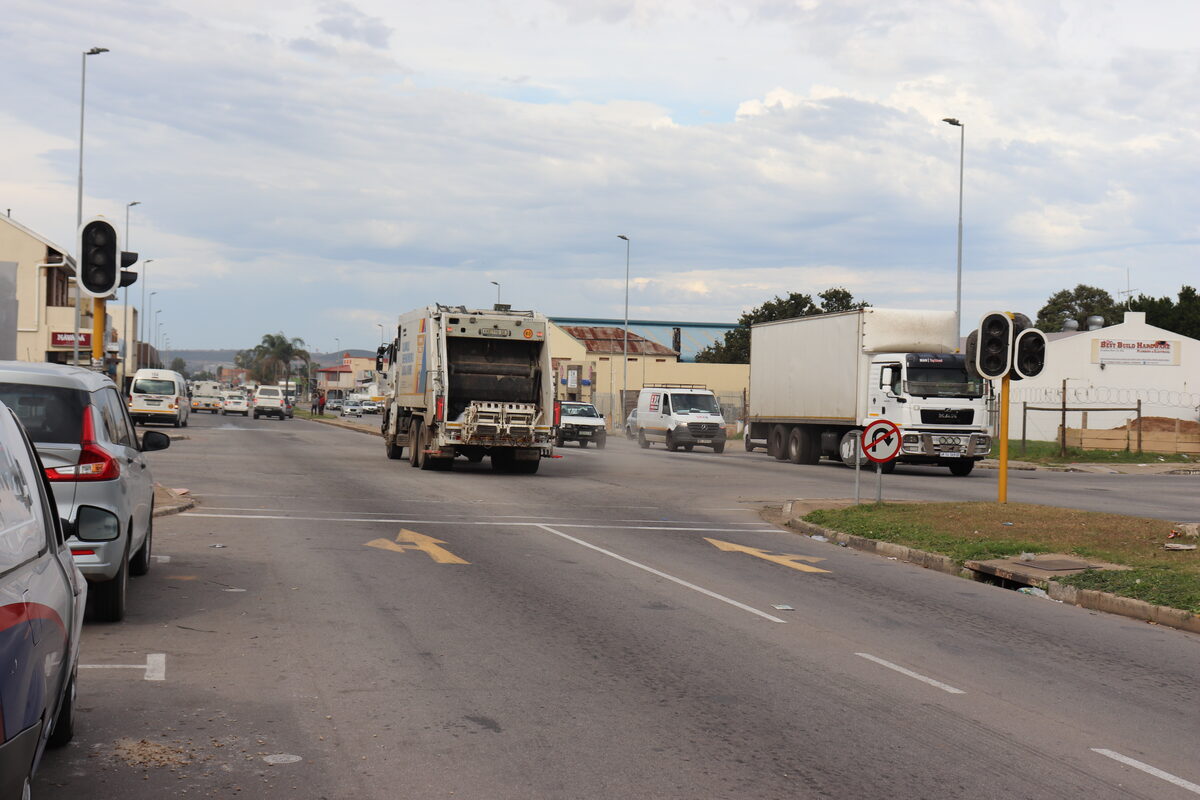
“The principal of Winterberg Primary School contacted me to suggest that the intersection on Durban Street and Baird Street be changed into a four-way stop until the traffic lights are fixed,” Van der Linde said, also hoping that the next standing committee meeting, to be held on Tuesday, May 20, yields more positive news for this issue to be resolved.
Ward 51 Councillor Roelf Basson shared with UD Express that the traffic lights not working is an extreme danger to road users as intersections where road signals are out are not successfully approached as a four-way stop, causing accidents.
Basson said, “Secondly, it smacks of the decay and collapse of the CBD’s infrastructure and that is one of the main reasons why people say Kariega is going backwards at the speed of light.”
“The fact that the signals are just left as is and no attempt made to recover what is left to avoid unnecessary further loss is an indication of how much the current administration cares for Kariega. We have businesses in Kariega receiving international visitors daily, and I can just imagine their embarrassment,” he said.
“It is understood that vandalism is the reason for these traffic lights not working and they are very costly to repair, especially if you repair them today and tomorrow they are damaged again. The average cost to fix signals at an intersection varies and can be as much as R200 000,” Basson added.
“My office engaged the Roads and Transport Division of the Municipality for most of the year reporting the outages and the reaction which was suggested due to extreme cost was to convert the intersections to four-way stops instead until they can be repaired,” he concluded.
According to Nelson Mandela Bay Municipality (NMBM) spokesperson Sithembiso Soyaya, the NMBM is aware of the persistent issue of non-functional traffic lights along Durban Street in Kariega Central. “This busy corridor, which includes five major intersections, has regrettably become a high-risk zone for both motorists and pedestrians due to ongoing infrastructure damage.”
He added, “It is important to highlight that the traffic signal failures in this area are not merely a result of neglect or delayed maintenance. The root cause is rampant and repeated acts of vandalism and theft targeting the same infrastructure components. Despite our ongoing efforts to restore service, the same traffic light systems are routinely targeted, often within days or weeks of being repaired.”
Soyaya added that this cycle of vandalism is severely draining the municipality’s already stretched infrastructure repair and maintenance budget.
“Funds that should be used to expand and maintain services across the city are being repeatedly diverted to repair the same infrastructure over and over again. This unsustainable pattern compromises our ability to deliver consistent and safe public services. The traffic lights will be repaired, budget permitting,” said Soyaya.
“The full cost implications of repairing and restoring the affected traffic lights on Durban Street and other affected areas in the Metro are estimated to be in the region of R400 000 to R600 000, accounting for not only component replacement but also enhanced protective measures. However, without strong community involvement and enforcement support to stop the vandalism, these interventions may be short-lived,” he said.
Soyaya added that the municipality is working closely with law enforcement agencies to fight the scourge of vandalism. He also added that community partnership programmes are being strengthened to report and prevent vandalism before it happens.
“In the meantime, the Metro is engaging with the South African Police Service (SAPS) and traffic enforcement units to deploy officers during peak traffic hours to manage the safety risks posed by these non-functional intersections,” he said.
“We urge community members to be vigilant and report any suspicious activities around public infrastructure to the municipality or law enforcement authorities immediately. Sustainable service delivery is only possible with a collective commitment to safeguarding our shared infrastructure,” concluded Soyaya.

You must be logged in to post a comment.