The tragic loss of three lives occurred within hours of each other on Wednesday, March 26, along the notorious R75 road near Dora Nginza Hospital in Nelson Mandela Bay.
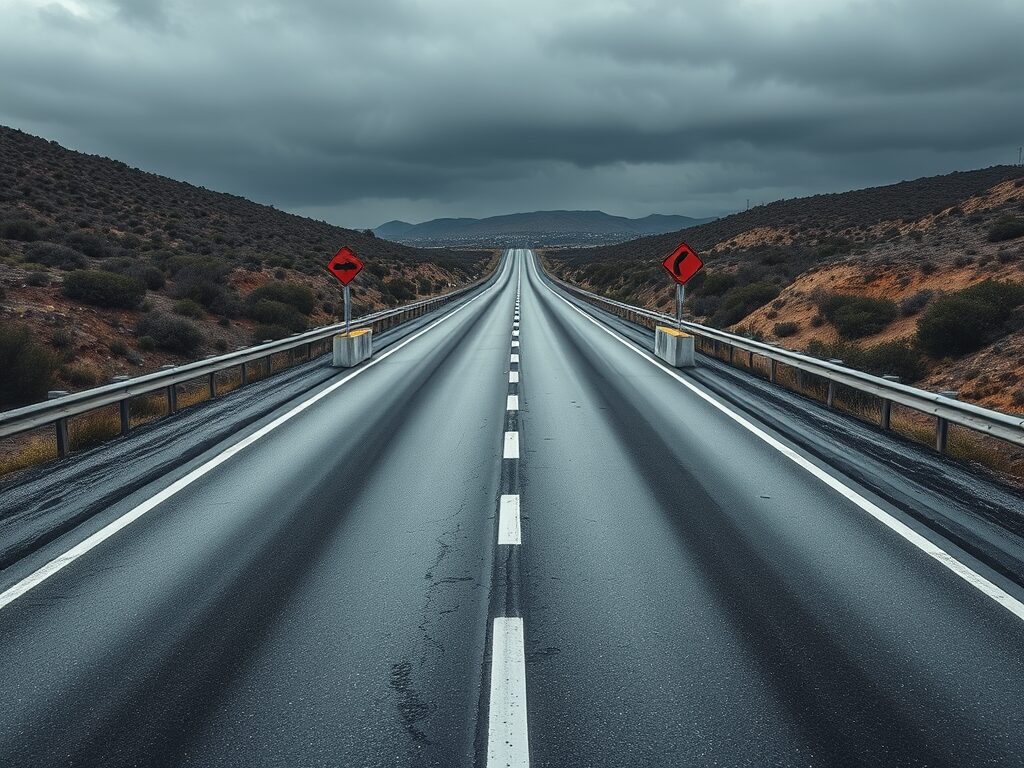
The incidents have once again placed a spotlight on what has been referred to as the region’s “road of death.” The first accident happened at approximately 14:30 when two 10-year-old siblings, a brother and his sister, were fatally struck by a white Ford Ranger.
According to SAPS KwaDwesi, the driver of the vehicle was a 55-year-old man. Both children were declared dead on the scene. A culpable homicide case was opened, and investigations are ongoing.
Only hours later, at around 20:00, a second tragic accident occurred on the same stretch of road. A 56-year-old woman was fatally struck by a vehicle while using a pedestrian crossing. The driver of the unidentified vehicle fled the scene without stopping. SAPS KwaZakhele has opened a culpable homicide case and appeals for public assistance to identify the vehicle and driver involved.
SAPS Spokesperson, Captain Andre Beetge commented, “We are investigating both incidents and urge anyone with information to come forward. Witnesses or anyone who can assist with investigations may contact Detective Captain Arries at SAPS KwaZakhele on 082 442 0963 or call Crime Stop at 08600 10111.”
The history of a dangerous road
In October last year, the Express reported on the dangers of the R75, which has long been considered Nelson Mandela Bay’s most hazardous road owing to its unsafe conditions.
The road has earned the nickname “road of death” owing to its long history of accidents and safety concerns. Retief Odendaal, DA PE Southwest and Winterhoek Constituency Leader and former Executive Mayor of NMB, has been vocal about these issues and has written to SANRAL CEO Reginald Demana.
Odendaal acknowledged SANRAL’s efforts in maintaining the national road network but pointed out numerous safety shortcomings that remain unresolved. Among these are significant hazards caused by damaged guardrails, insecure intersections, and poorly maintained road reserves, which collectively create a dangerous driving environment.
To address these issues, the DA proposed a collaborative approach, submitting a memorandum to SANRAL in September 2024.
The plan included hosting discussions with municipal officials and SANRAL, arranging measures to address high-risk intersections, and implementing joint operations involving SAPS, Traffic Services, and Metro Police. It also encouraged using advanced drone technology to improve road safety and escalate the matter nationally and provincially.
SANRAL acknowledged the memorandum received from the DA in the Nelson Mandela Bay Municipality. The memorandum was received by SANRAL’s Acting General Manager for Transformation and Stakeholder Relations, Siphiwo Mxhosa.
“SANRAL notes the memorandum submitted by the Democratic Alliance around the state of the R75 section between Gqeberha and Kariega in the Nelson Mandela Bay Municipality. We will study the contents of the memorandum and will communicate on a way forward once this internal process has been concluded,” said Mxhosa at the time.
The memorandum followed SANRAL’s media statement issued towards the end of September last year, calling for a multi-stakeholder collaboration to restore the R75 to a safer state in the Nelson Mandela Bay metro.
SANRAL had cited incidences of intimidation and demands for participation, theft and vandalism to the road infrastructure, as well as challenges around second-tier procurement for targeted enterprises (SMMEs) that had inhibited its contractor from effectively maintaining the R75.
“Stakeholder engagement is among the key strategic pillars at SANRAL. Engagement with our stakeholders enables us to deliver road infrastructure to communities in an effective and efficient manner. We have an open-door policy to facilitate continuous engagement ensuring that we are aligned with their needs. We appreciate input and feedback from our stakeholders, and we will continue to work closely with them in our road infrastructure service delivery,” Mxhosa concluded.