LISTENING to and watching her father doing what he loves most, storytelling, inspired a six-year-old to set her imagination free through recording her stories on her dad’s phone. Eight of these stories from Owethu Ndlakuse were transcribed and compiled in her first storybook which was released on Sunday.

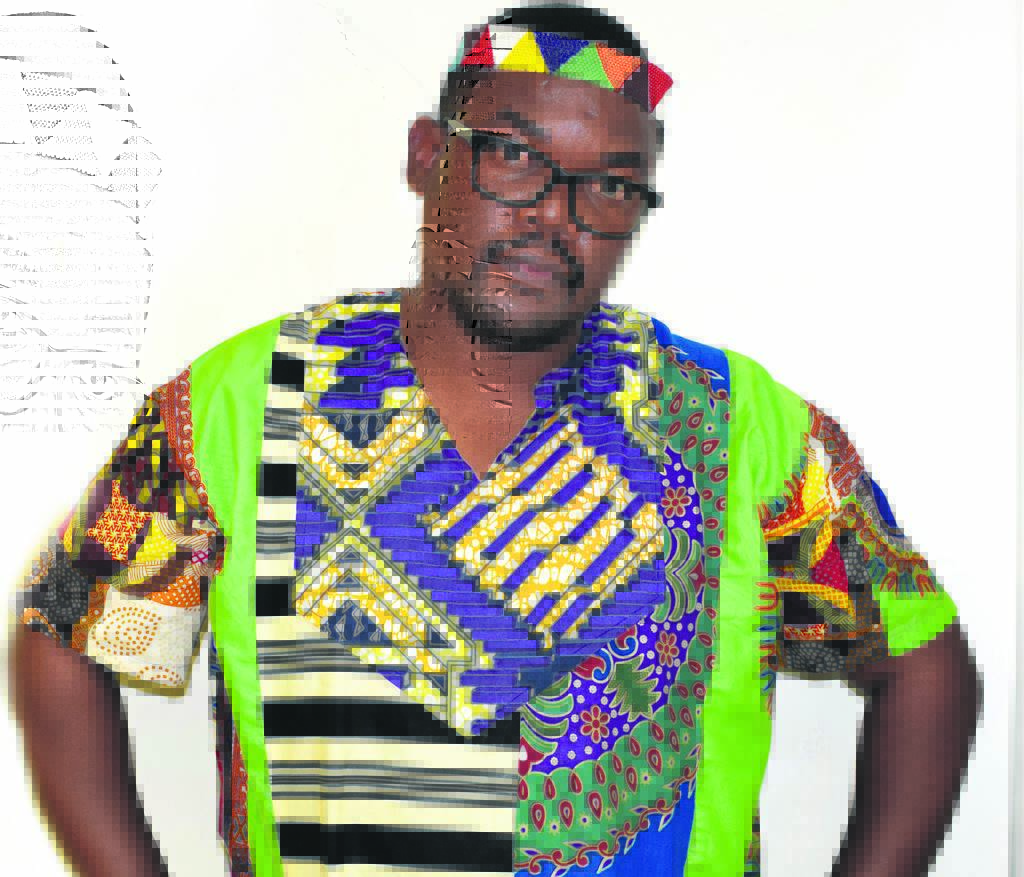
Owethu is a Grade 1 learner at Despatch Preparatory School and the daughter of Madoda Ndlakuse well known Nal’ibali literacy development activist, poet, interpreter, and expert when it comes to the art of IsiXhosa storytelling. Her mother, Lindelwa Ndlakuse, is a literacy centre manager for VW Community Trust.
“Owethu is very shy, but when she starts to tell her stories, she forgets about her shyness and transforms into a real storyteller,” said Madoda.
She started with the recordings of her stories during the COVID-19 initial lockdown period and since then has not stopped.
“She took my phone and said ‘Tata, please, I do not want anyone to disturb me, because I have a story in my mind, and I want to record it’. After each recording, she would excitedly come and play her story either to me or to her mother.”
Owethu recorded more than twenty stories. Madoda said her stories are excellently conceptualised and several of the stories have been posted online. The title of the book, Mholweni igama lam ngu-Owethu was the idea of her mother Lindelwa.
“Everytime Owethu recorded a story she started with Mholweni igama lam ngu- Owethu which means ‘Hallo my name is Owethu’. Her mother thought that would be a brilliant title to use as it’s kind of her trademark. Its unique and we loved it,” said Madoda.
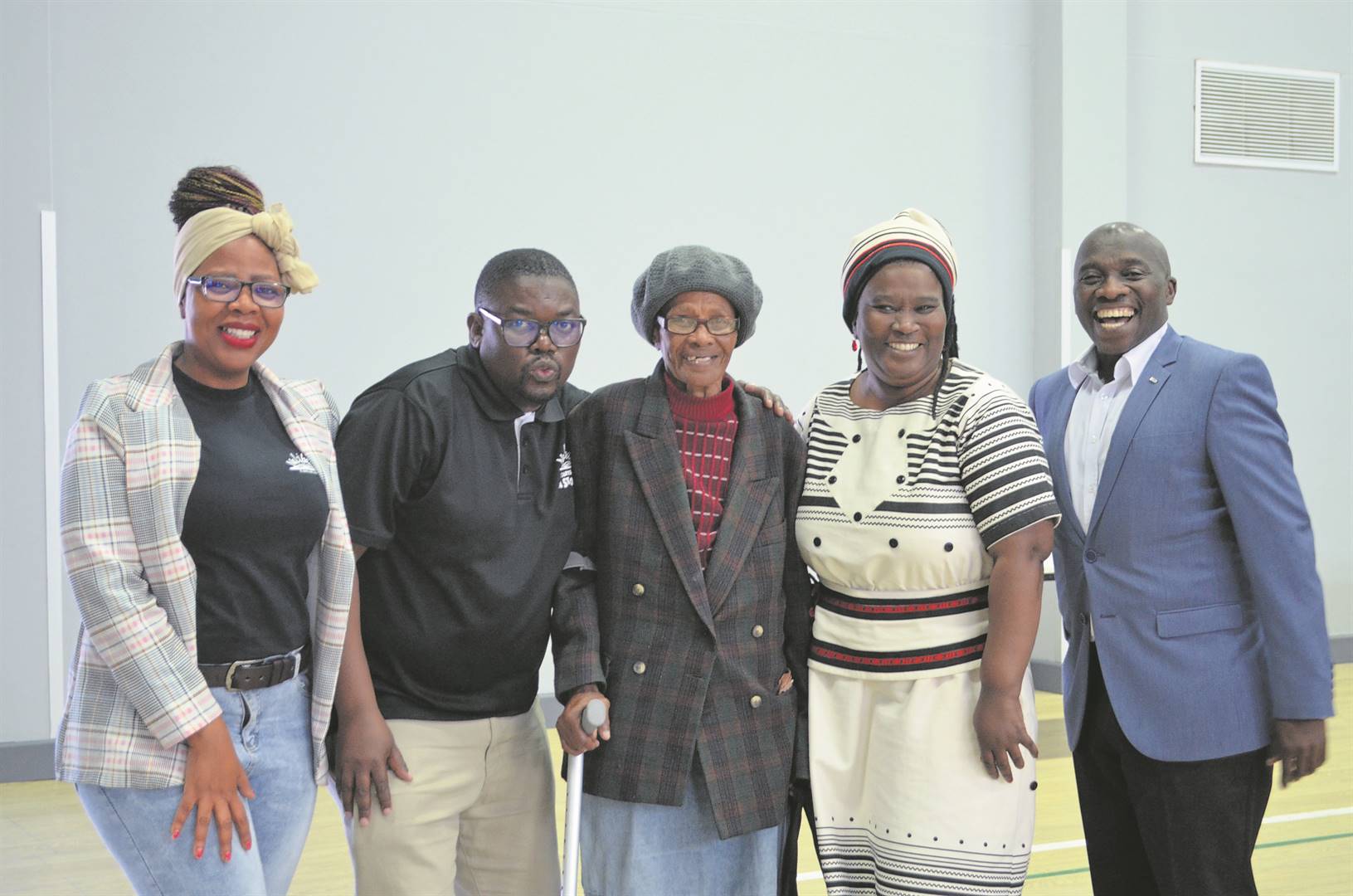
Principal of Despatch Preparatory School, Madeléne Sachse said it is a first in the school’s history of a learner publishing a book.
“The power within storytelling should never be underestimated and fulfils an important role in early childhood development. At our school there is a huge emphasis on reading and storytelling with enjoyment. Fluency will come later. At first learners must enjoy reading,” said Sachse.
Asja Strydom, an educator at Despatch Preparatory School and chairperson of the Literacy Association of South Africa (Eastern Cape) said she is very excited about Owethu’s book and hope that it will inspire other learners to experience the importance of reading.
Strydom has started a reading club as an extramural activity at the school.
“The reading club is based on the initiatives Madoda has taught us in his Nal’ibali programme. One of the aspects is to not separate age groups. Intergenerational activities involve not only reading, but dramatizing the story, roleplaying, crafting, dressing up and a book becomes a whole celebration of interactive forms of art.
“Through enjoyment of reading, we create the ‘want to read more’ and to develop critical thinking,” said Strydom.
According to Madoda, “In the era in which we live, people do not have empathy anymore. They are more concerned about technical gadgets and data bundles. But with storytelling you do not need gadgets or data. Stories come from the heart and through the moral of a story spread wisdom to influence the mind.
“Storytelling shapes, challenges and strengthen the opinions and values of the person willing to listen with attention to absorb the message and meaning within the story.”
Madoda said Mother language is very important in the art of storytelling.
“Once the story is told, it can be translated, and the story becomes multilingual. This cross fertilizes the knowledge and builds unity amongst different cultures,” said Madoda.
Madoda is the author of various IsiXhosa childrens books and a collection of poetry books with his latest being Izitshanguba Zentlalo (poetry) and Ndiza kutshat uBeyonce (short stories). Owethu’s book was edited by Mzoli Mavimbela, and the illustrator is Thando Samuels. The book is available from Madoda or Lindelwa.
- For more information about storytelling contact Madoda at 076 183 7260 or email madoda@nalibali.org