The Ford Wildlife Foundation (FWF) has contributed R50 000 to the Southern African Foundation for the Conservation of Coastal Birds (SANCCOB) at Cape Recife Nature Reserve on the outskirts of Gqeberha.
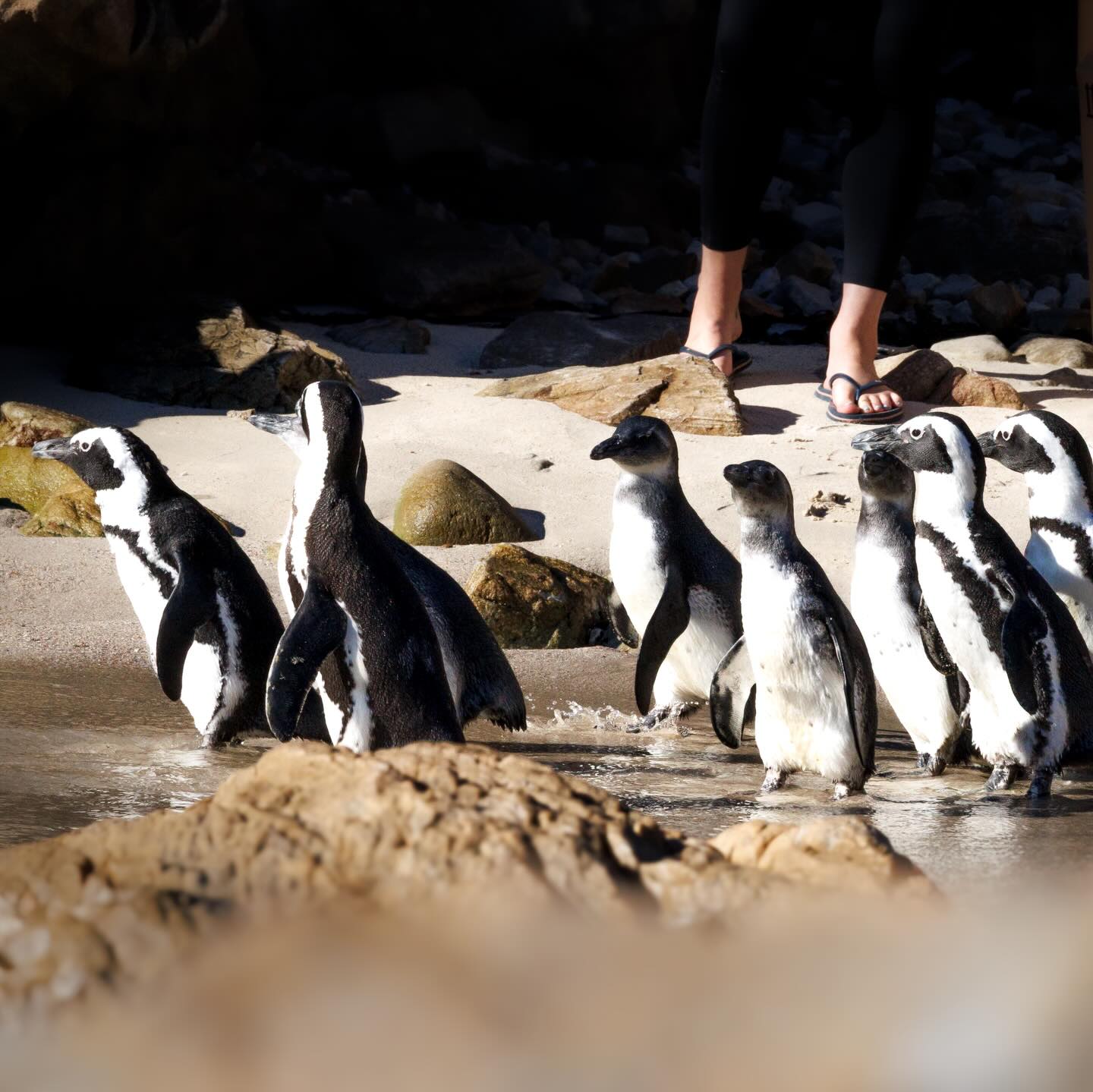
Funds are used to rescue and rehabilitate penguins from the nearby Bird Island and St Croix Island in Algoa Bay, owing to the increasing food crisis that has seen population numbers dwindling.
FWF also supports the exceptional work of the SANCCOB team with a loan Ford Ranger Double cab 4×4 for a period of two years, which is used to rescue penguins and seabirds along the Eastern Cape coast.
“We have rescued a total of 202 penguin chicks and juveniles over a period of a month from Bird Island due to a lack of food,” explains Margot Collett, manager of the SANCCOB Gqeberha Centre.
“African penguins feed on small fish such as sardine and anchovy. With fish stocks being depleted due to a combination of climate change and industrial fishing, the current decline in penguin numbers, including that of breeding pairs, is very worrying.”
All the rescued birds are taken to our SANCCOB centre and treated for dehydration and emaciation, as well as for any injuries. The penguins are tube-fed by the dedicated SANCCOB team until they gain sufficient weight and are graded to test if they are ready to be released.
The SANCCOB Gqeberha Centre recently launched a new purpose-built rehabilitation pool with six pens, which allows the penguins to get the necessary swimming time that is essential for the waterproofing of their feathers.
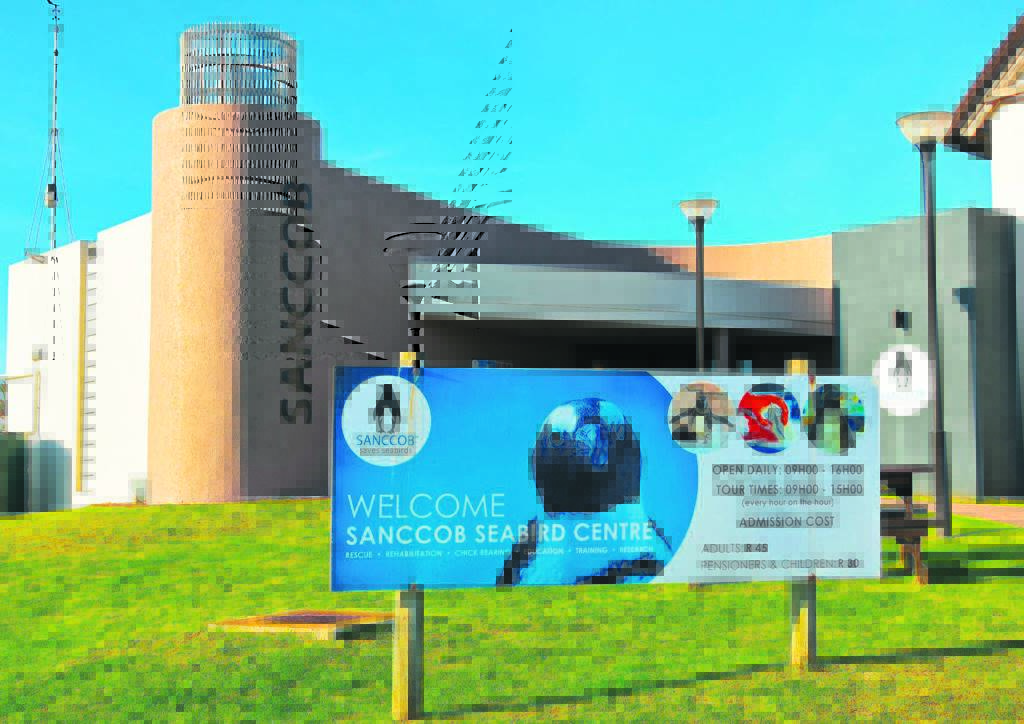
“SANCCOB values its partnership with the Ford Wildlife Foundation through providing the Ford Ranger that we use for our important conservation work, and we are incredibly grateful for the contribution we received for this intervention,” Collett says.
“Support of this nature is extremely important as it contributes to our veterinary and rehabilitation efforts to protect the dwindling African penguin population in Algoa Bay. We are delighted that many of the rehabilitated birds have been released back to Bird Island to form part of the future breeding population.”
Thus far the team has returned two large groups, comprising a total of 88 penguins, to Bird Island since the project began in August. The rate of recovery for the remaining birds has been staggered, and they are being released once they are healthy and strong enough to survive on their own.
Algoa Bay is a marine biodiversity hotspot, and its seabird breeding islands fall within the declared Addo Marine Protected Area (MPA). The St Croix and Bird Islands together account for more than 45% of the total African penguin population in South Africa and are of crucial importance to the survival of this iconic and endangered seabird. Bird Island is also home to the world’s largest colony of Cape gannets.
“The SANCCOB team does exceptional work to protect the endangered African penguin and other seabirds, and we applaud their tireless efforts to rescue, rehabilitate and return the birds to their natural habitat,” says Lynda du Plessis, manager of the Ford Wildlife Foundation.
“The dedication of the team to caring for these penguins plays an important role in their survival, and we encourage other companies and individuals to support the vital work they do.”
- For more information on SANCCOB’s Save the African Penguin project, visit www.sanccob.co.za/save-the-african-penguin/.