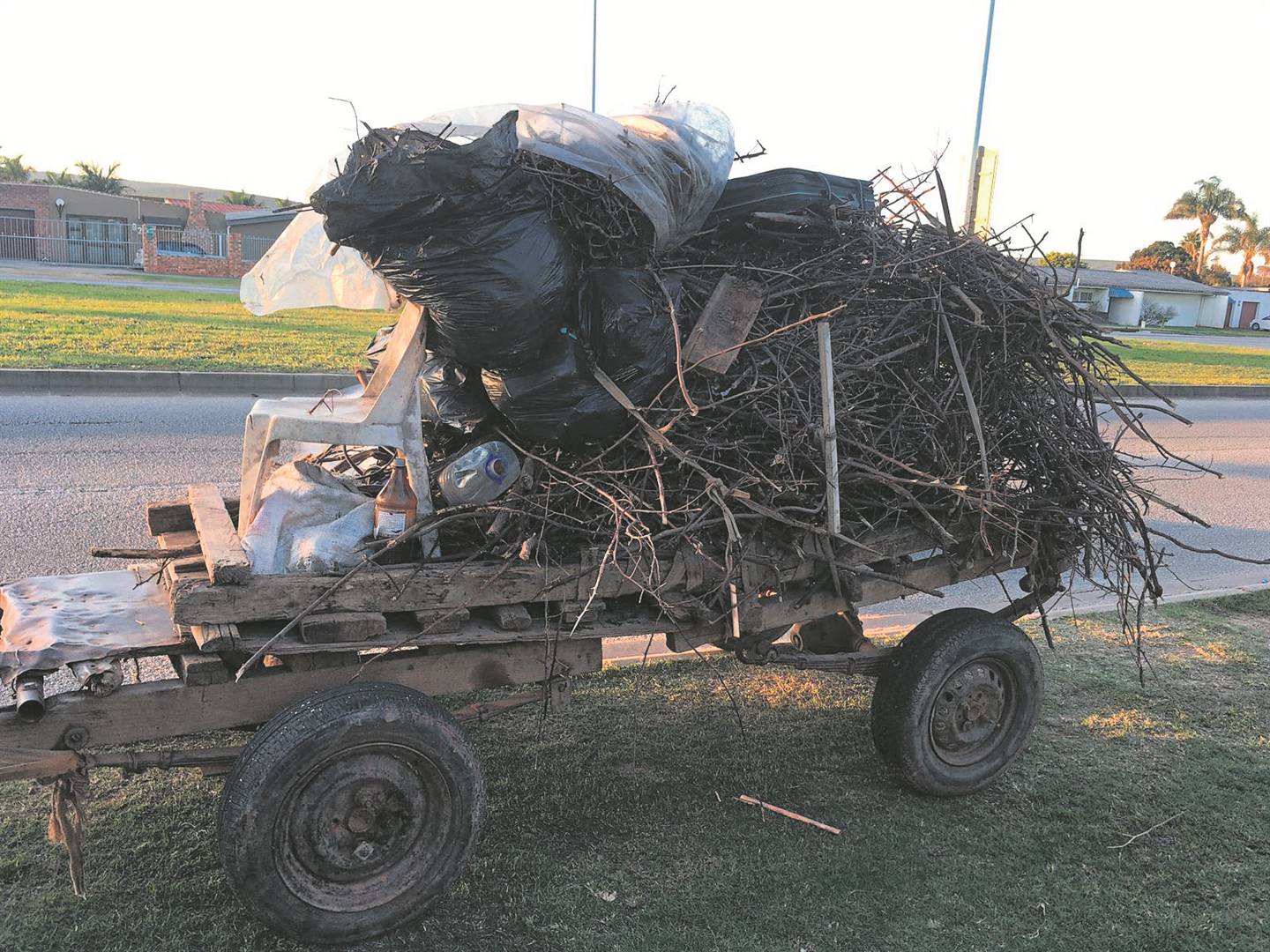
Most donkey carts on public roads in Kariega are not operated according to the National Road Traffic Act 93 (1996) and Nelson Mandela Bay Municipality’s traffic by-laws.
The main issues are that they are non-roadworthy donkey carts on public roads; overloaded; and in some cases, operated by drivers younger than 16 years.
“We as the SPCA don’t have the power to stop donkey cart operators from driving on the roads. We don’t enforce the traffic laws; the municipality’s traffic department must do that. The SPCA may only intervene when the welfare of the animals is not taken care of, and that we do,” said Deirdre Swift Chairperson of the Uitenhage & District SPCA.
“It cannot be expected from a welfare society to handle this problem. The traffic department must step up and make sure that the donkey cart owners comply with the law and regulations. There must be collaboration between us, the traffic department, and donkey cart owners. But unfortunately, we as the SPCA are on our own in this crisis having to deal with calls emanating from members of the public.”
Swift said according to the National Road Traffic Act, a donkey cart is regarded as a vehicle, and to drive a vehicle on the road you need to be 18 years old, and you need to have a driver’s licence.
“So why is it permissible for 12 and 14-year-olds to be driving donkey carts on public roads? They are a danger to other road users as well as to themselves, and to those animals that are pulling the cart,” said Swift.
According to Mariaan Wentzel, Inspector at the Uitenhage & District SPCA, donkey cart owners need not only abide by traffic laws, but also the Animal Protection Act.
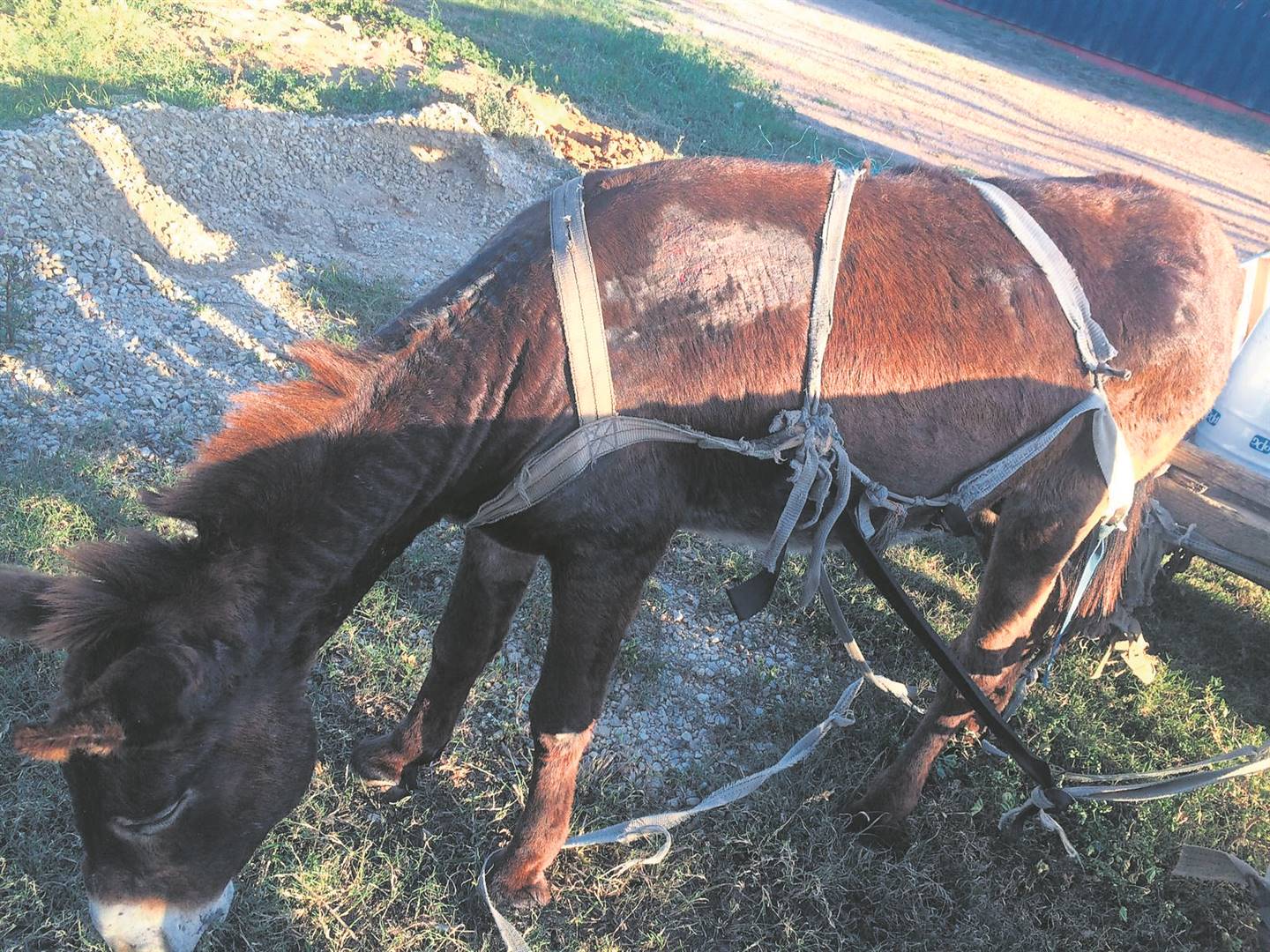
“Wherever there are donkeys, there are problems. Mostly because the owners are arrogant. It is their way of earning an income and therefore they regard it as their right, but that is no right to be cruel to the donkeys,” said Inspector Wentzel.
“So often stolen donkeys are used to earn an income through garden refuse removal. Most of the time those are the culprits abusing the donkeys, to quickly earn a few bucks. The other side of the coin is that residents are supporting those guys, whilst they see that the donkeys are being ill-treated and carts overloaded, but still pay the R200 or R250 for removal because they want to get rid of the refuse. Do they know where it will be dumped? So often illegally, just around the corner. That is commission of omission, as those residents are indirectly contributing to the cruelty and illegal dumping.”
Inspector Wentzel thanked the concerned public who report issues where donkeys are ill-treated. The SPCA requests the public please to take video footage also as evidence and to get as much information about the driver or owner so that a proper case can be built against the perpetrators and get them prosecuted.
The SPCA also thanked local police officers, “They react and pull off donkey carts where all is not according to the law. We have a good relationship with the local police.”
Inspector Wentzel said the SPCA wanted to start with a donkey cart project again, but would need the owners’ involvement, and for them to take responsibility.
“They do earn an income, so they should learn to use some of the money for maintenance, to take good care of their donkeys and carts,” said Inspector Wentzel.
The UD Express contacted the Director: Traffic and Licensing at Nelson Mandela Bay Municipality on the matter, however, no comment was received at the time of going to print.