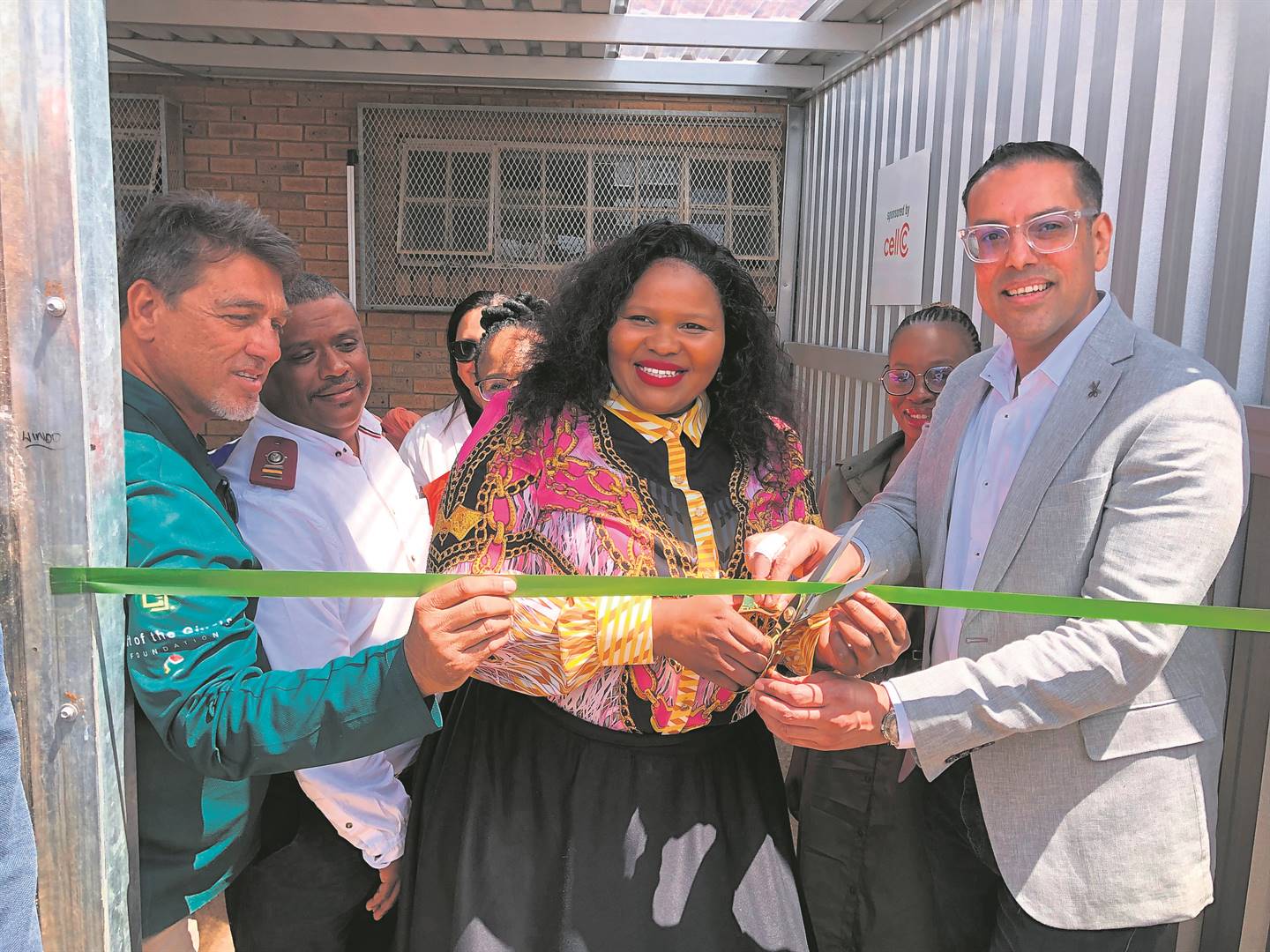
Ashleigh Nyiki-du Plessis, a registered nurse by profession and the Mrs Nelson Mandela Bay 2024 title holder, is turning her passion and dedication into tangible change within her community.
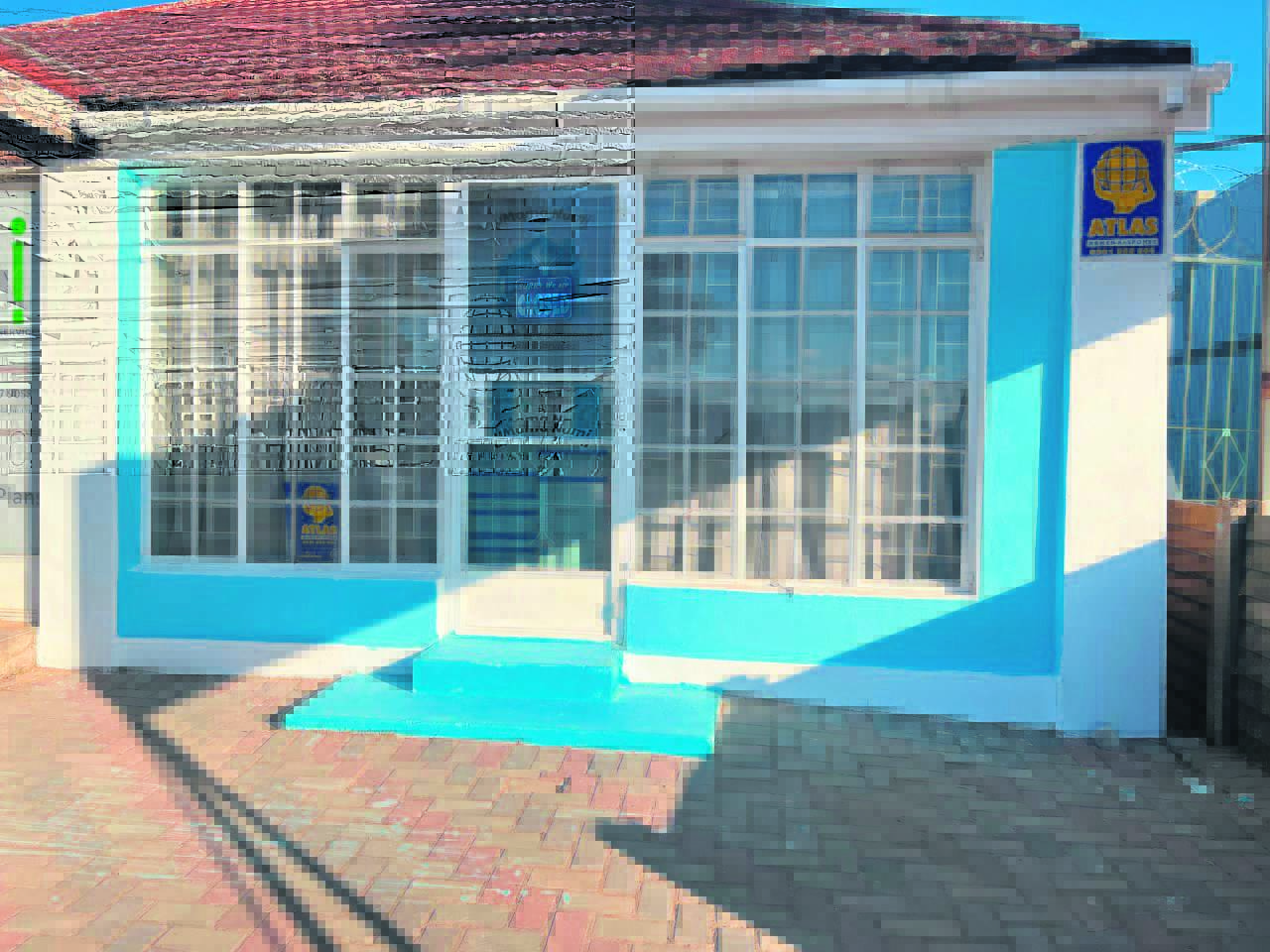
Her recent achievement in opening a private clinic in Kariega, under the name uMama Nami Wellness and Home-based Health Services, is an extension of her commitment to addressing and bridging the healthcare gaps for the underprivileged in the Kariega community.
“The inspiration to open my clinic stemmed from my early days in Primary Health Care,” she explained.
“In 2012, as I embarked on my career, it became evident that there was an overwhelming need for healthcare services, surpassing the resources available. This disparity often resulted in lengthy queues, with patients spending countless hours seeking medical attention. Many, despite needing medical care, were deterred by the time required to access these services.”
Nyiki-du Plessis identified this critical gap and sought to fill it with uMama Nami, a progressive health service that expands access to healthcare by offering both on-site and home-based services.
“Our clinic caters specifically to women and children,” she said. “We focus on providing essential services like women’s health, children’s vaccinations, and now, through home-based health services, we have broadened our reach to mothers or elderly patients unable to travel to our facilities.”
To ensure the affordability of these vital services, uMama Nami has partnered with the Department of Health to supply state-sponsored vaccines and family planning resources.
Through this collaboration, Nyiki-du Plessis said costs for services will be reduced, making essential vaccinations accessible at a fraction of the usual market price.
“For instance, a mother might pay thousands for a child’s vaccines privately. Our partnership enables us to offer these at far more reasonable rates, ensuring no mother has to forgo vaccinations.”
uMama Nami’s broad spectrum of services includes antenatal care, family planning, and reproductive health services, all geared towards empowering women to take control of their health.
“Our well-baby clinic not only vaccinates but also monitors growth and development,” she highlighted. “We aim to catch growth issues early, preventing long-term health problems that can affect cognitive development and learning potential.”

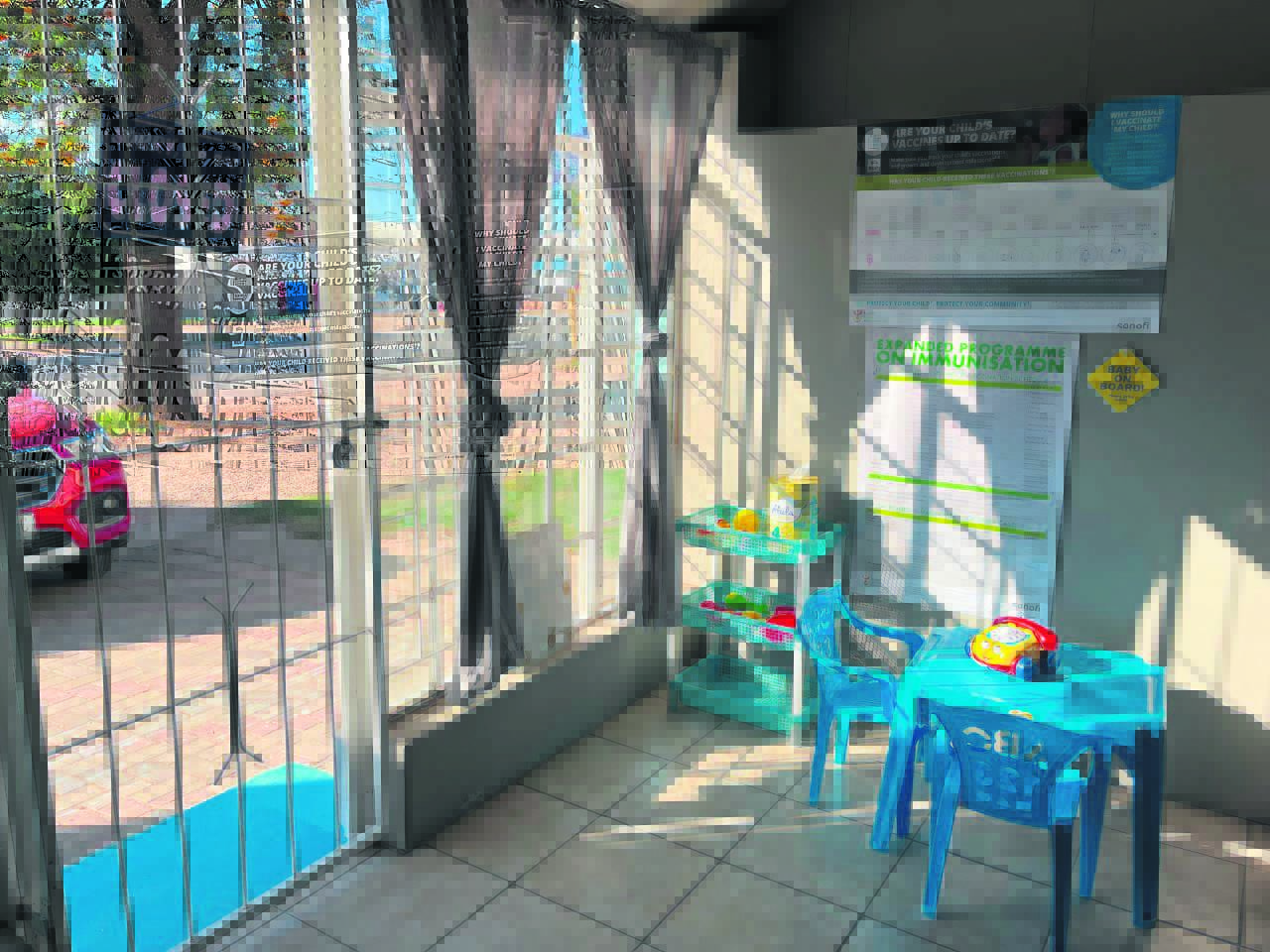
To continue her journey of giving back to her community, especially the underprivileged who are vulnerable, Nyiki-du Plessis initiated a campaign for free growth monitoring, deworming, and vitamin A distribution for children under five, addressing gaps caused by poverty and malnutrition.
“Vitamin A supports immunity, growth, and vision, crucial for children unable to receive these nutrients from their diet alone. Our campaign ensures they have these nutrients, preventing illnesses like blindness.”
As the beauty queen looks to the future, plans are underway to expand services to treat minor ailments in children from 2025.
“Children’s health can decline more rapidly than that of adults’. By serving them separately from adult patients, we aim to provide swift, effective care.”
A particularly exciting venture for Nyiki-du Plessis is planning free health education sessions for primary school girls.
“Women empowerment starts young. Understanding one’s body and the menstrual cycle should not only be about personal care, but also about confidence and empowerment. I aspire to create safe spaces for dialogue and education, incorporating aspects of teen pregnancy prevention.”
She noted that while the clinic faced initial hurdles in raising awareness about its services, strategic social media campaigns and community engagement have increased their reach.
“Our community’s warming reception is heartening, and with continued awareness efforts, we hope to serve more people effectively.”
Looking ahead, Nyiki-du Plessis has ambitious plans for the clinic’s future.
The introduction of home-based carer placements for the elderly and those with special needs showcase her dedication to thoughtful, comprehensive healthcare.
“By tailoring care plans and involving family, we ensure that our most vulnerable are respected and cared for with expertise and dignity.”