GQEBERHA – The Eastern Cape has become the frontline in a growing conservation crisis, as the Southern African Foundation for the Conservation of Coastal Birds (SANCCOB) responds to a record number of abandoned African penguin eggs and chicks.
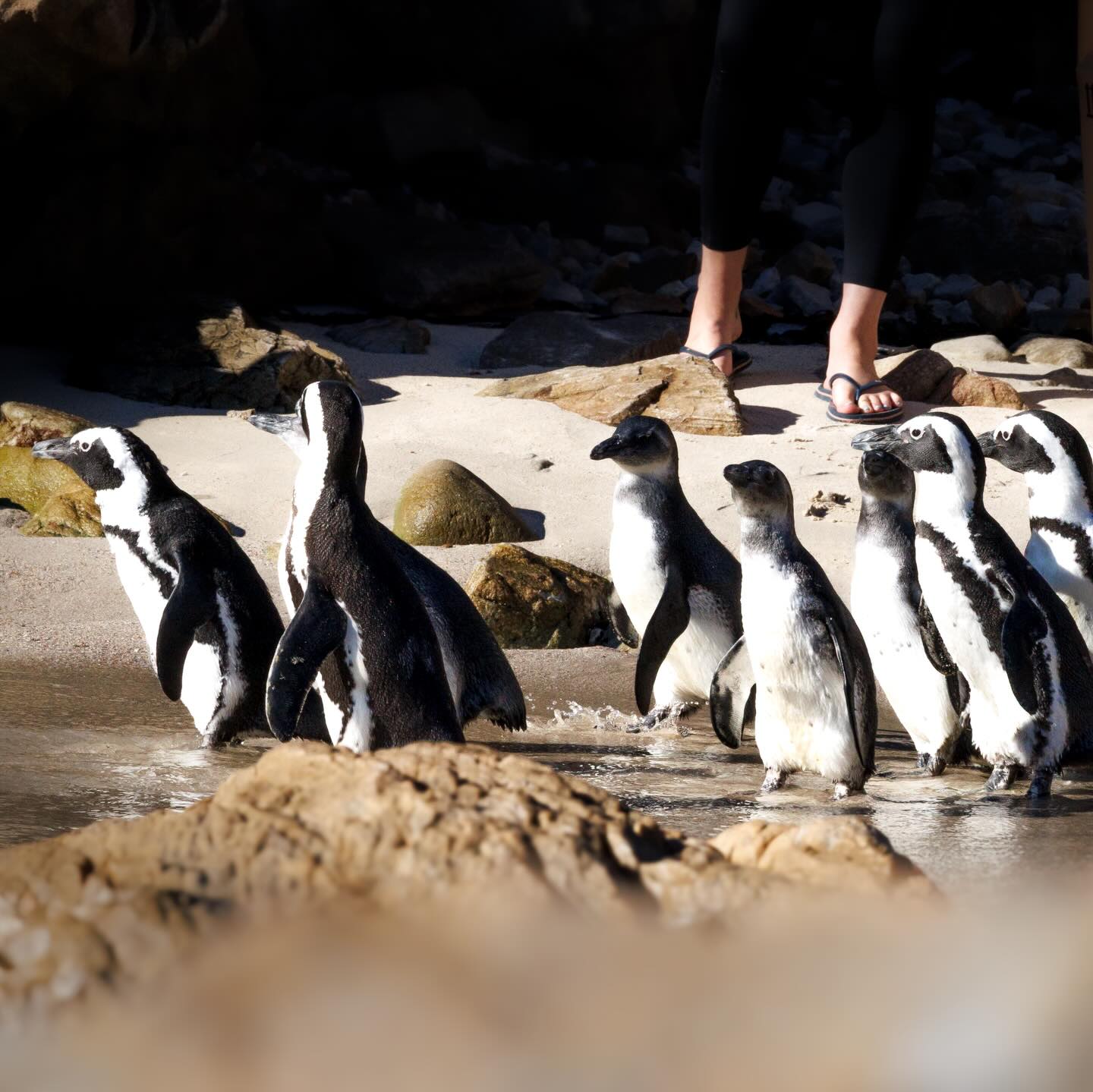
Once a stronghold for this endangered species, the region is now at the centre of urgent efforts to rescue, rehabilitate and ultimately return vulnerable penguins to the wild.
Driven by a combination of extreme heat and food shortages, penguin parents in the Algoa Bay colonies are being forced to abandon their nests.
In the Eastern Cape, the situation is increasingly dire due to unpredictable flooding.
In one recent rescue operation near Gqeberha, 46 chicks were saved after their nests were completely washed away, leaving the vulnerable birds separated from their parents and with no safe ground to return to.
For SANCCOB, the local support from Ford South Africa and the Ford Wildlife Foundation is vital.
The city of Gqeberha holds a special place in this mission; it is home to Ford’s engine plant and represents the brand’s 100-year legacy in the country. By providing locally-built Rangers, Ford enables transporting fragile eggs and injured birds in climate-controlled environments from the islands to the Gqeberha centre.
On Bird Island, SANCCOB monitors act as first responders. Working alongside SANParks, they stabilise abandoned chicks before they are transported to the SANCCOB Gqeberha Centre.
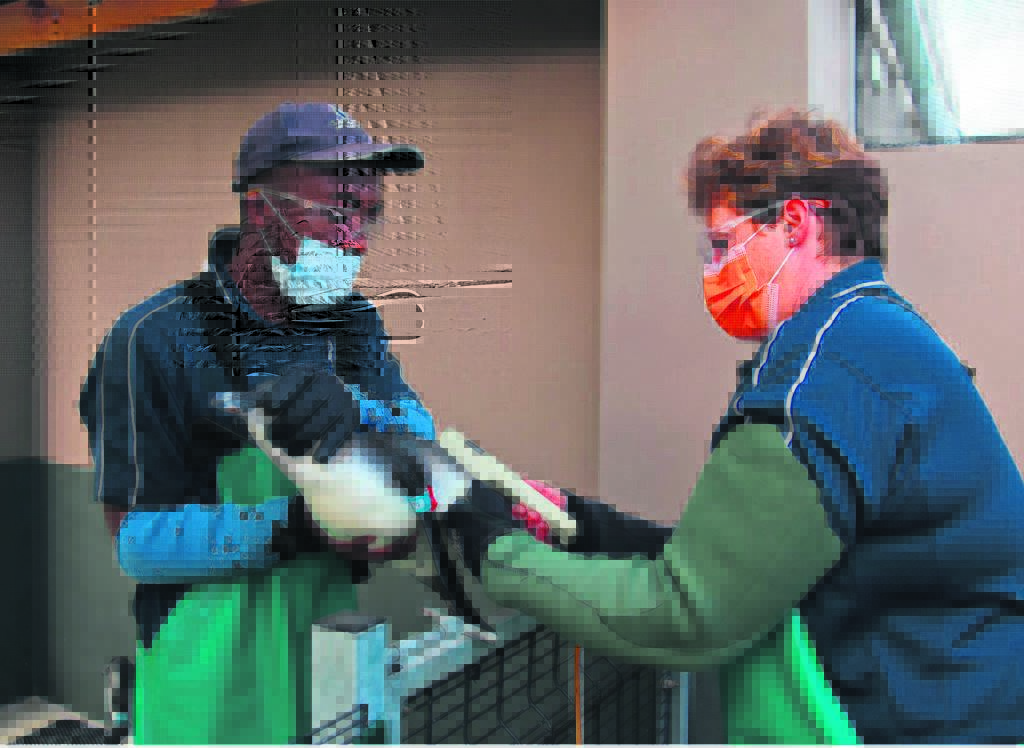
Once at the centre, teams of staff, interns, and volunteers provide medical care and hand-feeding to ensure the birds reach their “release weight” and waterproof status.
“It’s a powerful, visual story that tracks the full journey from egg to ocean,” says SANCCOB. “It highlights the human effort behind conservation, with teams working 24/7 to raise and rehabilitate these birds.”
SANCCOB has saved more than 100,000 seabirds to date, with 80% of rehabilitated penguins successfully returned to the wild.