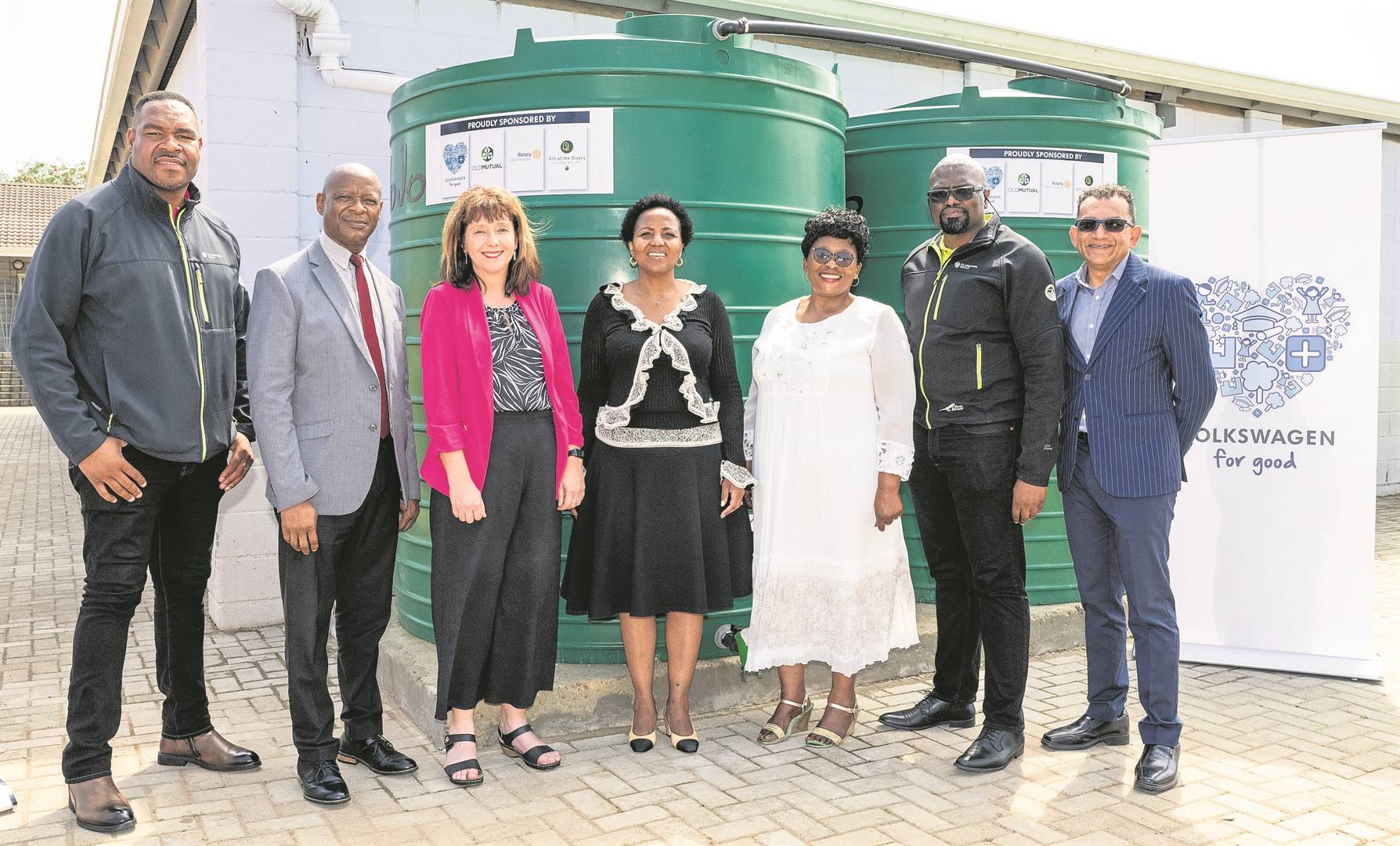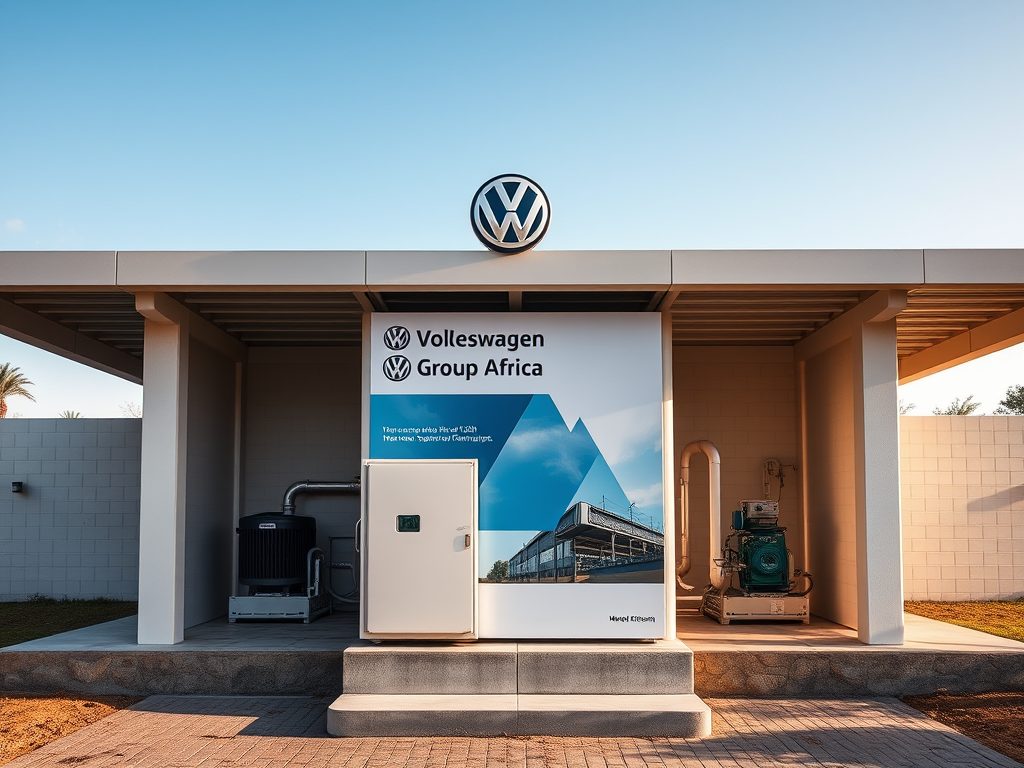
Demonstrating proactive corporate citizenship, Volkswagen Group Africa (VWGA) has adopted three key sewerage pump stations in Nelson Mandela Bay: the Kelvin Pump Station and two Peter Searle substations, as part of a broader effort to enhance infrastructure security and environmental protection.
According to Nelson Mandela Bay Business Chamber spokesperson Sibongile Dimbaza, this adoption forms the first wave of sewerage pump station partnerships under the Nelson Mandela Bay Business Chamber’s growing Adopt-a-Substation initiative, now being extended through a new Adopt-a-Pump-Station programme.
The initiative is being driven by the Chamber’s Water and Sanitation Task Team and the Kariega Cluster, with support from municipal authorities.
Under the new adoption, Volkswagen will deploy its in-house security team to conduct regular patrols at the pump stations, providing a visible and ongoing deterrent to criminal activity. In addition, state-of-the-art surveillance systems will be installed at all three locations, with real-time monitoring by VW’s security operations centre.
This will enable rapid detection and response to any incidents of tampering or vandalism.
These interventions are crucial given the isolated locations of pump stations, which make them vulnerable to cable theft, vandalism and other criminal activities, often leading to service disruptions that affect homes, businesses and schools.
This partnership was initiated in response to a request from Nelson Mandela Bay Municipality and aligns with a municipal strategy to involve private sector partners in protecting critical infrastructure.
VW’s engagement reflects a strong commitment to community wellbeing, environmental protection and responsible corporate leadership.
“These pump stations are not just pieces of infrastructure but lifelines to communities and businesses across Nelson Mandela Bay,” said Nick Chapman, Chair of the Disaster Management Task Team and the Kariega Cluster.
“When they fail due to neglect or criminal damage, the effects are felt across households, schools and workplaces. As Volkswagen Group Africa, we are proud to be part of the solution. This initiative reflects our deep commitment to community wellbeing and responsible corporate citizenship.”
This marks a significant milestone as the first sewerage pump stations adopted under the broader infrastructure protection drive.
The move aims not only to deter vandalism but also to protect the Bay’s natural environment.
By preventing criminal damage that can lead to sewage spills, the initiative contributes directly to the preservation of local rivers and waterways.
Protecting these systems is essential to maintaining public health, environmental sustainability and long-term service reliability.
“This is about more than security – it’s about safeguarding our ecosystems,” Chapman added.
“Every pump station protected is a step towards preventing raw sewage from spilling into our rivers and damaging our environment.”
This initiative brings the total number of adopted sewerage pump stations to four. In addition to the three stations adopted by VW, the North End Cluster is currently awaiting a quote for the adoption and protection of the Voyle Pump Station, located near North End Lake.
The Business Chamber’s Adopt-a-Substation and Adopt-a-Pump-Station initiatives continue to gain traction, with several member companies actively stepping forward to participate.
These efforts are complemented by the municipality’s own actions, such as welding shut vulnerable access points and reinforcing structural protections at key infrastructure sites.
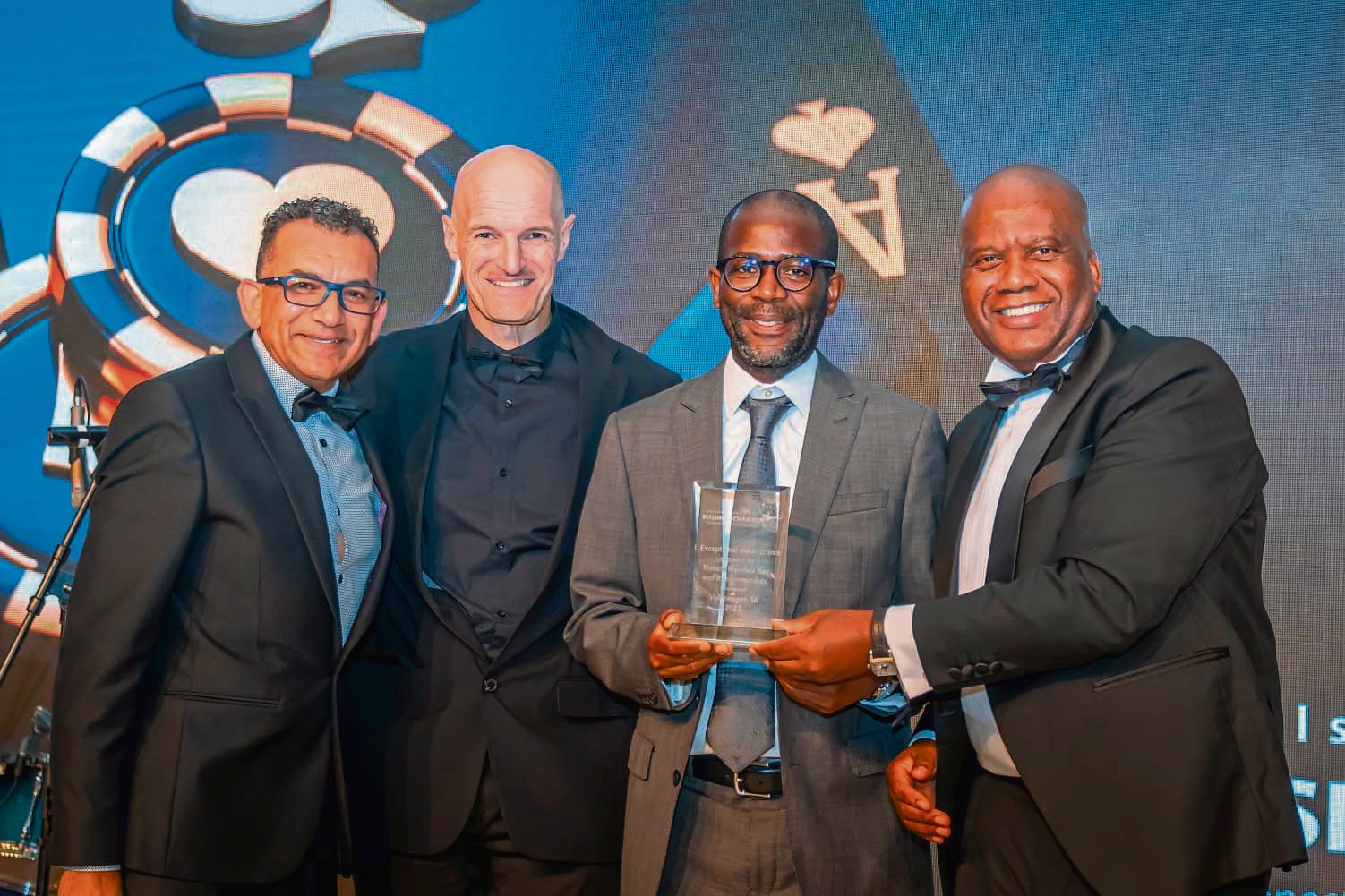
“The Chamber commends Volkswagen Group Africa for its proactive and commendable leadership in adopting and securing key pump stations in our metro,” said Denise van Huyssteen, CEO of the Nelson Mandela Bay Business Chamber.
“This initiative represents exactly the kind of responsible corporate citizenship we aim to foster. We hope it sets a powerful precedent for other industry leaders to follow, demonstrating that collective action can bring real, measurable change for the benefit of our city.”
Beyond improving physical security, these business-led adoptions also support operational responsiveness.
With real-time monitoring and reporting, potential issues like pump overflows or system failures can be flagged early, enabling faster municipal response and reducing the risk of prolonged service outages.
This growing network of adopted stations is a compelling example of how public-private collaboration can play a critical role in urban resilience, environmental protection and service continuity.