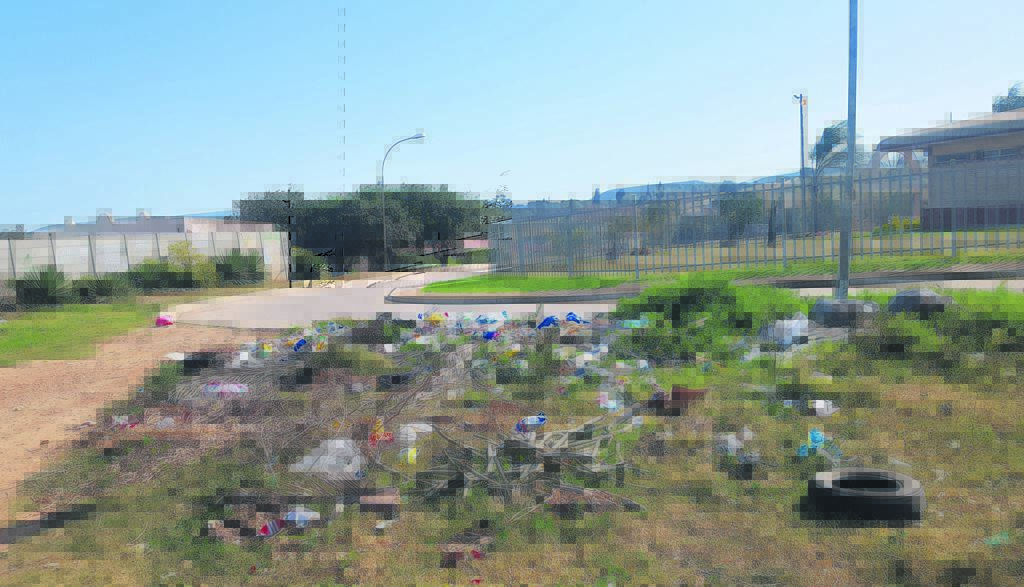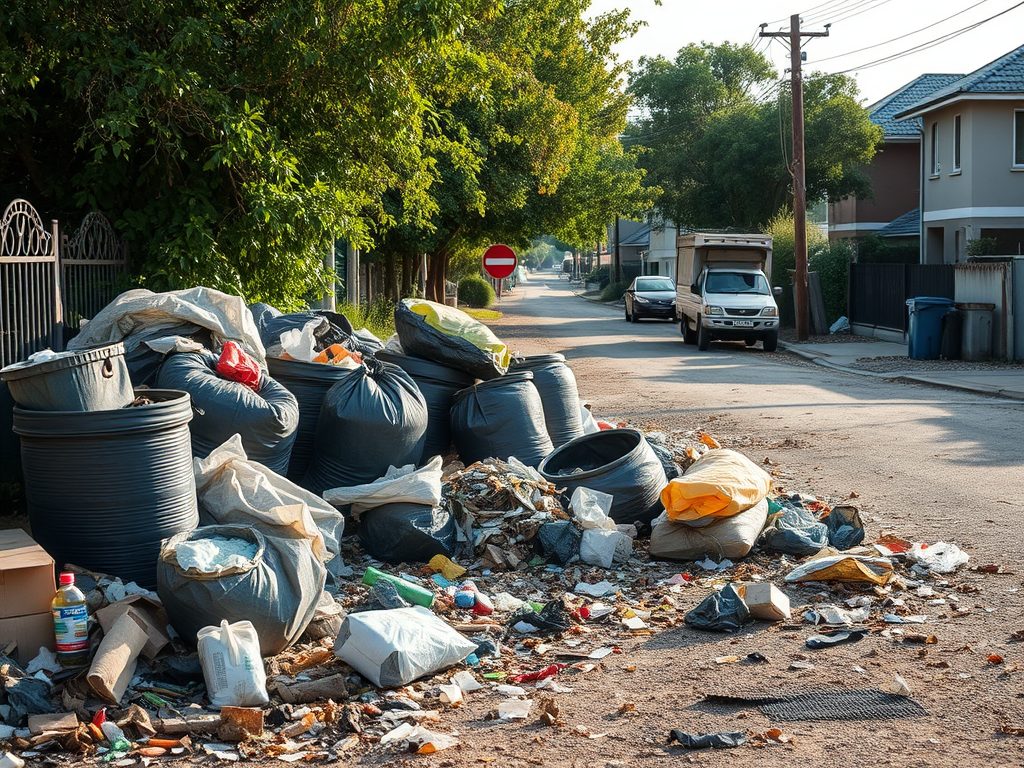
Ward councillors across Kariega share a common frustration: reporting illegal dumping sites to the municipality, only to watch them remain unattended while the problem spreads to new locations. With at least 12 confirmed hotspots across four wards, the issue has moved beyond a municipal maintenance problem to a public health emergency.
According to Ward 49 Councillor Georgen Miggels, he has identified multiple illegal dumping hotspots in his ward, including five sites on Acacia Street alone, a street where the Rosedale Public Clinic is located. The extensive list includes Kingfisher 1, Kamesh Road (located next to the councillor’s office), Duiker, Seagull Street near Derrick Ferreira Stadium, Heron Road, Lovebird Avenue behind Caritas, and Grompo. “I have informed the municipality of these illegal dumping sites and they still have not been attended to,” he said.
Ward 51 Councillor Roelf Basson noted a prime dumping hotspot in his ward, located on Ross Gradwell Street, in front of North Street. “I don’t know where all that rubbish comes from, because they clean it up today and in a few weeks, it’s dirty again. The rubbish is domestic and garden refuse.”
Nelson Mandela Bay Municipality (NMBM) spokesperson Sithembiso Soyaya said, “The NMBM acknowledges with concern the escalating incidents of illegal dumping in various parts of Kariega, including but not limited to the areas cited in Wards 48, 49, 50, and 51. These include Acacia Street, Kingfisher 1, Kamesh, Duiker Crescent, Seagull Street, Heron, Lovebird, N Street Extension, and Ross Gradwell Road near Riebeek College, among others. These sites form part of a broader list of hotspots that our Public Health and Waste Management teams have identified through regular patrols, ward-based reports, and community alerts.”
He added that illegal dumping poses serious health and environmental risks. “It attracts rodents, increases the breeding of disease-carrying insects, contaminates nearby water sources, and contributes to air and soil pollution. For residents, this translates into a heightened risk of respiratory illnesses, waterborne diseases, and an overall deterioration in quality of life, particularly for children and the elderly. The environmental impact is equally dire, undermining urban cleanliness, lowering property values, and discouraging investment and tourism in Kariega.”
Soyaya stated that the municipality currently spends millions annually on cleaning up illegal dumping, diverting critical funds that could be used to improve the basic services and infrastructure of the town. “This is an unsustainable situation, especially when illegal dumping is entirely preventable. Despite our efforts to deploy litter pickers, collect waste, and conduct awareness campaigns across all 60 wards, the recurrence of these dumping sites indicates a deeper challenge of public behaviour and accountability.”
He added, “We urge residents to take pride in their communities and report illegal dumping through the municipal hotline on 0860 103 089 or via their ward councillors. The municipality is intensifying its anti-dumping education drives and working with local law enforcement to identify and fine repeat offenders. We are also exploring partnerships with community leaders, NGOs, and schools to embed anti-littering values in public consciousness from a young age.”
Soyaya concluded, “Illegal dumping is not a municipal problem alone; it is a community problem, and together, we must protect the health, dignity, and economic future of Kariega.”