

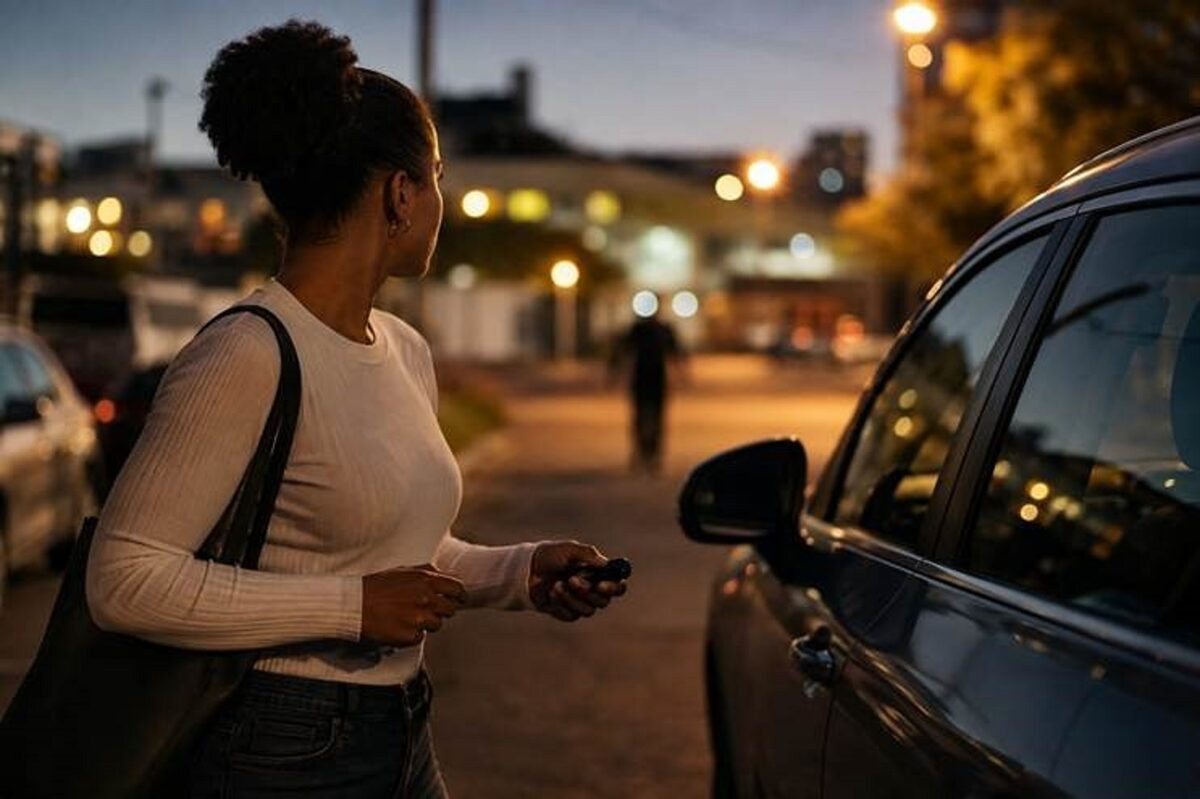
Women who feel safe behind their own gates and armed response systems often drop their guard the moment they leave, but a few habits can close that gap before trouble finds them.
This Women’s Month, the focus falls on what women can do to feel prepared and secure when they are away from the home and the security measures they usually rely on, and how to respond when something feels wrong.
Basic precautions should only be the first step in strengthening your personal security. Locking your car and keeping your windows up while driving are sensible habits. But being prepared also means thinking ahead about what you would do if something felt wrong and making sure you can quickly call for help if needed, giving you valuable additional layers of protection to keep yourself and your family safe.
Security experts recommend eight practical habits worth making part of every routine when leaving home. Rehearse your response to being followed.
Safety habits for women
“Think about how you would respond if you suspected someone was following you, especially when driving home. Rather than continuing to your address or stopping outside your gate while waiting for it to open, keep driving to a police station, security point, or busy public area. If possible, alert someone such as your security company while you are still moving. Stay in your vehicle and keep it running until the immediate danger has passed,” says Blue Security CEO, Henk Van Bemmelen, offering the following hints.
Have a safe arrival routine for home. Your driveway can be an especially vulnerable security point. You are approaching a predictable destination, slowing or stopping, and you may be distracted by the gate, with no clear escape route, and possibly few witnesses nearby.
Take a moment to assess the street before you arrive and be prepared to keep driving if something seems wrong. If you are arriving home late or feel anxious, consider asking your security provider to escort you onto the property and, where available, carry out a quick walk-around before you enter.
Additionally, external beams, cameras, perimeter detection, and monitored surveillance can help identify suspicious activity before someone reaches the house.
On the road
Always leave yourself a way out when driving. Avoid allowing your vehicle to become unnecessarily boxed in. At traffic lights, gates, drive-throughs, or in slow traffic, leave enough distance between your vehicle and the one ahead to manoeuvre around it without reversing. That space can give you an immediate escape route if someone approaches your vehicle or deliberately attempts to block you in.
Treat vehicle reliability as part of your personal security. A breakdown creates an involuntary stop wherever it happens, potentially leaving you stranded and dependent on strangers. Keeping your vehicle well maintained, avoiding an almost-empty fuel tank, keeping your phone charged, and having roadside assistance in place can all reduce the chances of being caught in a vulnerable situation.
If something appears wrong with your vehicle or another motorist signals a problem, drive carefully to a secure public space, security point, or other populated area before stopping where possible.
Choose parking with the return journey in mind. When choosing a parking space, think beyond how convenient the space is when you arrive. Consider what the area will look like when you return: whether it is isolated, beside an enclosed stairwell, hidden by larger vehicles, or visible from an entrance, cameras, or security personnel. If you feel uncomfortable walking back to your car, return to a secure area and ask security for an escort.
Be extra aware when your attention may become occupied. Loading groceries, placing luggage in a boot, strapping a child into a seat, searching through a handbag, or standing with your upper body inside your vehicle can naturally take your attention away from what is happening around you. Before getting occupied, take a quick look around to assess who is nearby, keep your belongings close, and try to position yourself so that you can move quickly if necessary.
Crime intelligence
Make sure you can access help wherever you are. Consider what support is available to you while travelling, shopping, exercising, attending appointments, or working away from your usual location. Mobile panic response, roadside assistance, trusted contacts, and clear emergency procedures backed by a private security provider can create continuity between the places where fixed security systems protect you, providing added safety.
ALSO READ: Stay safe while shopping: Police share festive season crime prevention tips
Use crime intelligence to understand the places you actually frequent. Your personal security decisions can be more informed when you understand the crime patterns in the areas, routes, and times that form part of your normal routine. Blue Security’s crime intelligence can help identify patterns around neighbourhoods, workplaces, shopping areas, and commonly travelled routes. Instead of simply asking whether an area is dangerous, look at what types of incidents occur there, at what times, and whether particular patterns are emerging.
“Above all, avoid relying on a single security measure. Plans fail, calls do not connect, cars break down, and circumstances can change quickly. For the strongest personal security plan, build layers of protection, combining everyday awareness with rehearsed responses, predetermined safe locations, and a security partner ready to back you up whenever needed,” Van Bemmelen concludes.