

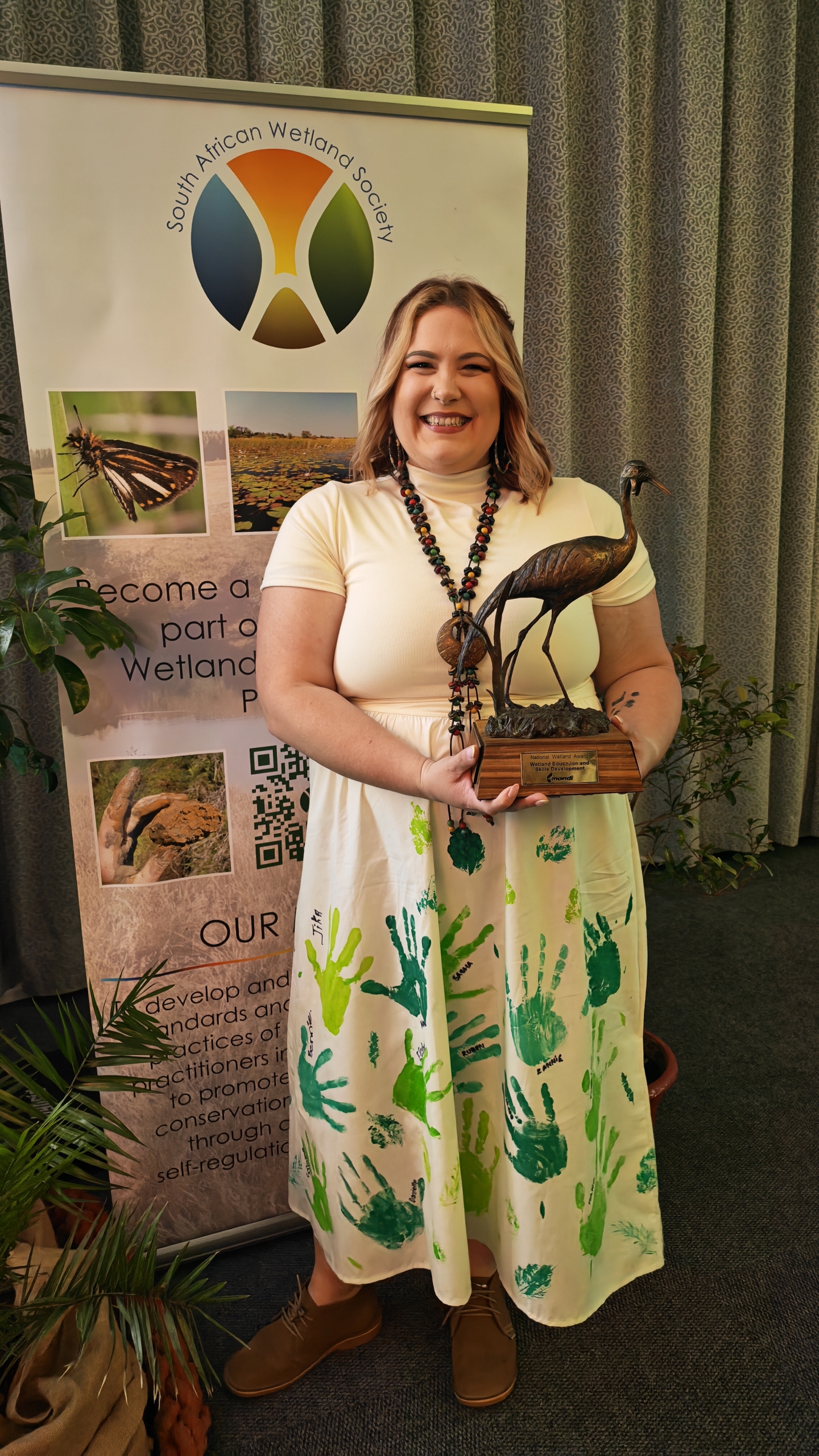
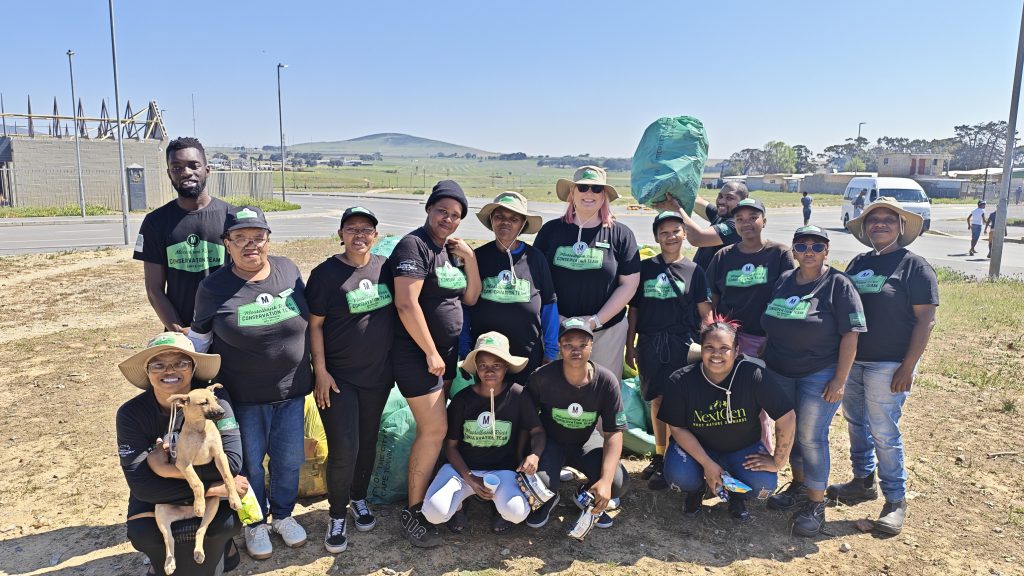
CAPE TOWN – For nine years, 35 volunteers in Fisantekraal have been quietly pulling alien invasives from the Mosselbank River, planting indigenous species along its banks, and teaching their neighbours why a wetland is worth protecting. Last week, the initiative earned a national award.
The Mosselbank River Conservation Team (MRCT), a community-based non-profit founded in July 2017, took home the Education and Skills Development category at the 2026 National Wetlands Indaba, held at Club Mykonos in Langebaan from 19 to 22 October. The non-profit was also nominated for Stewardship.
Hosted by the Western Cape Wetlands Forum, the annual Indaba brings together scientists, researchers, conservationists, educators, decision-makers and government representatives to share knowledge and strengthen the management, conservation and sustainable use of South Africa’s wetlands.
The award was presented at the Indaba’s gala evening on Wednesday 21 October, where individuals and organisations were recognised for their contributions to wetland conservation across several categories.
For MRCT director and co-founder Danielle Cronje, the moment carried particular weight, saying the award showed that the team’s commitment, consistency and dedication had paid off.
The achievement was particularly fitting given this year’s Indaba theme, which centred on wetlands and traditional knowledge.
Building a legacy through community action
The MRCT comprises 35 community volunteers who serve as custodians of their section of the Mosselbank River and its associated valley-bottom wetlands.
Over the past nine years, the team has developed and implemented a range of environmental education, conservation and advocacy programmes, encouraging local residents to become actively involved in protecting their natural heritage.
At the Indaba, Cronje presented on how the organisation has built its heritage and legacy through practical, community-driven conservation activities.
Her presentation highlighted the importance of “learning by doing”, with initiatives including indigenous planting days, alien invasive plant clearing, citizen science, biodiversity monitoring, skills development, environmental education, community engagement and advocacy.
ALSO READ: Youth lead the way in Mosselbank River wetland rehabilitation
These activities provide volunteers with practical experience while deepening their understanding of the local environment and the importance of protecting it for future generations.
“An important part of this is that every activity builds practical skills, knowledge, confidence and a sense of ownership. Learning by doing transforms participation into understanding, understanding into pride, and pride into a lasting commitment to conservation,” said Cronje.
Recognition for dedication and perseverance
Reflecting on the award, Cronje expressed her pride in the team and gratitude for the recognition of its ongoing efforts. “I am so incredibly proud of my team and this recognition. NPO work often goes unrecognised and is undervalued, and this award shows that our commitment, consistency and dedication have paid off,” she said.
She also thanked the judging panel and the South African Wetlands Society for acknowledging the organisation’s contribution, saying the award recognises the collective efforts of community volunteers who have dedicated their time and skills to safeguarding the Mosselbank.
As the team continues its work in Fisantekraal, the recognition highlights the value of community-led environmental initiatives and the role that practical education, local knowledge and sustained volunteer commitment can play in protecting South Africa’s wetland ecosystems.



You must be logged in to post a comment.