
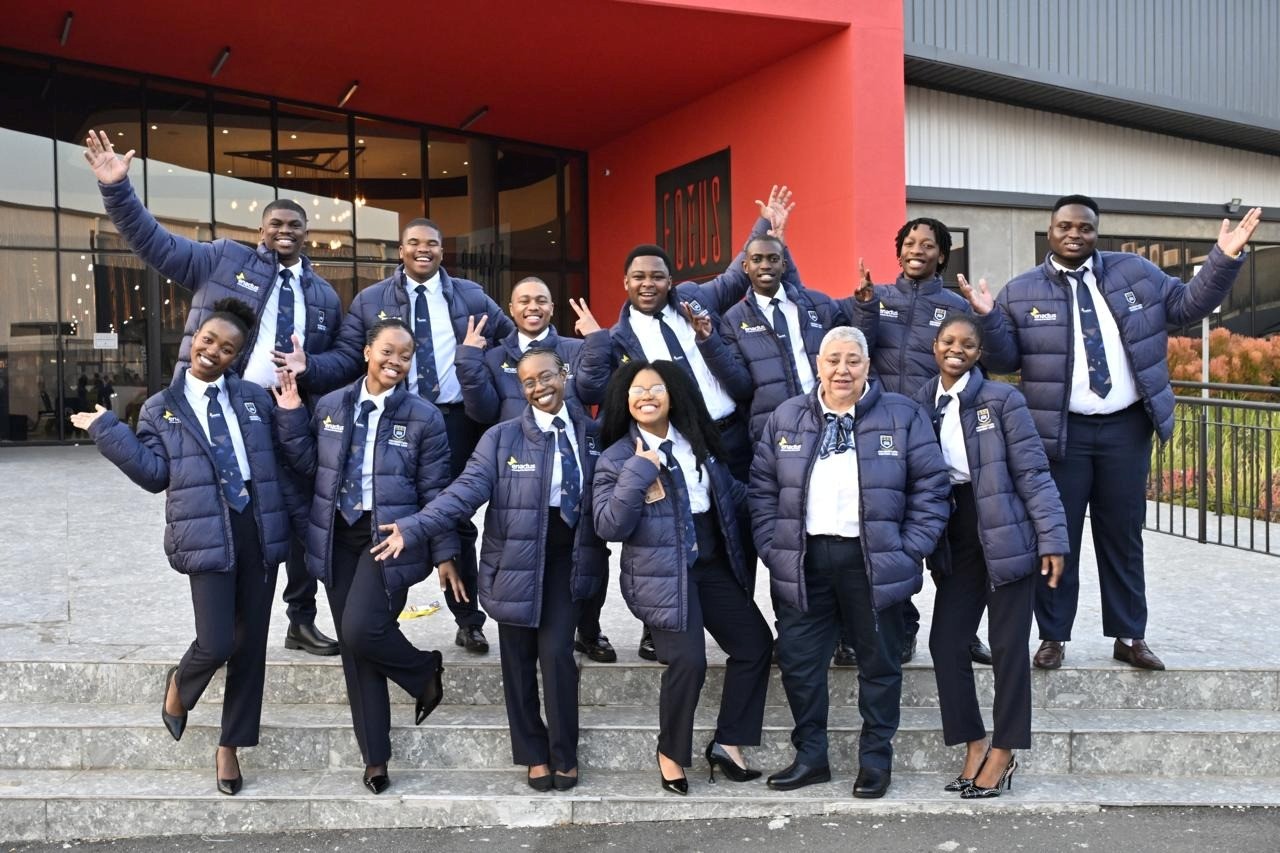
Student teams from across the country gathered in Sandton, Johannesburg, to showcase their entrepreneurial projects aimed at tackling real-world challenges. After months of preparation, the University of the Western Cape’s (UWC) Enactus team proudly secured second place at the 2026 Enactus South Africa Nationals with a project that directly addressed the everyday needs of students living in residences.
Innovative
Being no strangers to achieving top spots in competition over the last few years, they won the competition in 2024. This year’s entry is an innovative idea to create a rental system for kitchen appliances, offering a practical and affordable solution to a challenge faced by thousands of students nationwide.
“For many students, buying appliances such as microwaves, kettles, or hotplates is simply too expensive. Sharing among large groups often leads to inconvenience, wear and tear, and even safety concerns,” said the originator of the business and group leader, Matee Machetele. “From realising this, I started this idea, which I just thought of as a sideline business. A year later, it brought me to this point that the business became profitable and I could enter it into this year’s Enactus competition.”
She recognised this gap and designed a model that allows students to rent appliances at low cost, with flexible terms, right within their residence communities.
“This approach not only reduces financial strain but also improves convenience, enabling students to prepare meals more easily and focus on their studies without worrying about access to basic cooking facilities,” she said.
Meaningful
Abe Oliver, Director at the Centre for Entrepreneurship and Innovation (CEI) at UWC, said it is meaningful to see the team’s contribution to youth entrepreneurship.
“CEI remains committed to being a gateway to increase UWC students’ access to becoming economically active in a shrinking economy. Emphasis is placed on building the individual students’ levels of adaptability and self-confidence,” said Oliver.
“This year’s project’s strength lies in its sustainability and scalability. It promotes shared use, reduces waste and encourages responsible consumption. It also embeds entrepreneurship into student life, as the rental system doubles as a business model that teaches students valuable skills in management, customer service and operations. The initiative demonstrates how small, practical solutions can have a big impact, improving quality of life while fostering entrepreneurial thinking.”
Creativity and relevance
In first place was Nelson Mandela University’s Batho Pele BioLoop Africa Farm. Their project transforms organic, food, and plastic waste into sustainable resources through artificial intelligence, hydroponics and circular farming systems.
Judges at the national competition praised UWC’s project for its creativity and relevance. By securing silver, the team proved that innovation doesn’t always require complex technology; it can emerge from identifying everyday problems and solving them in smart, accessible ways.
ALSO READ: Artificial Intelligence changes the way students access information