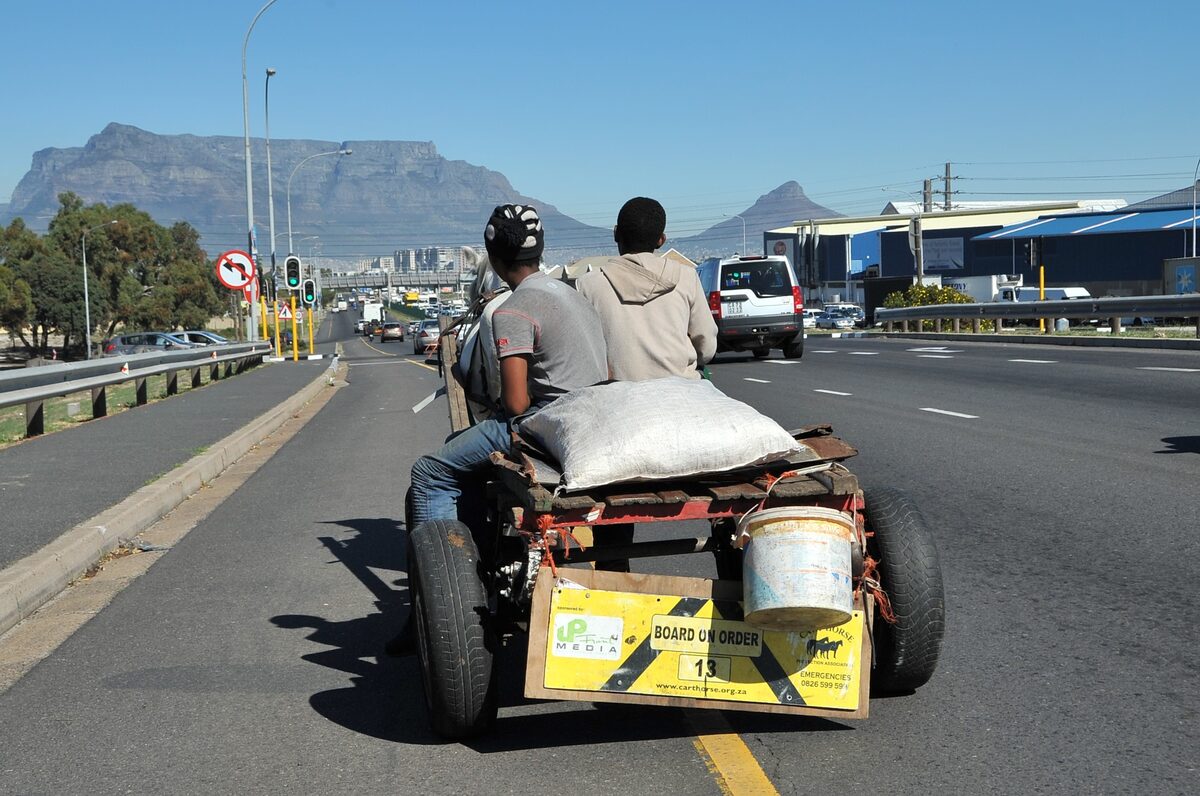

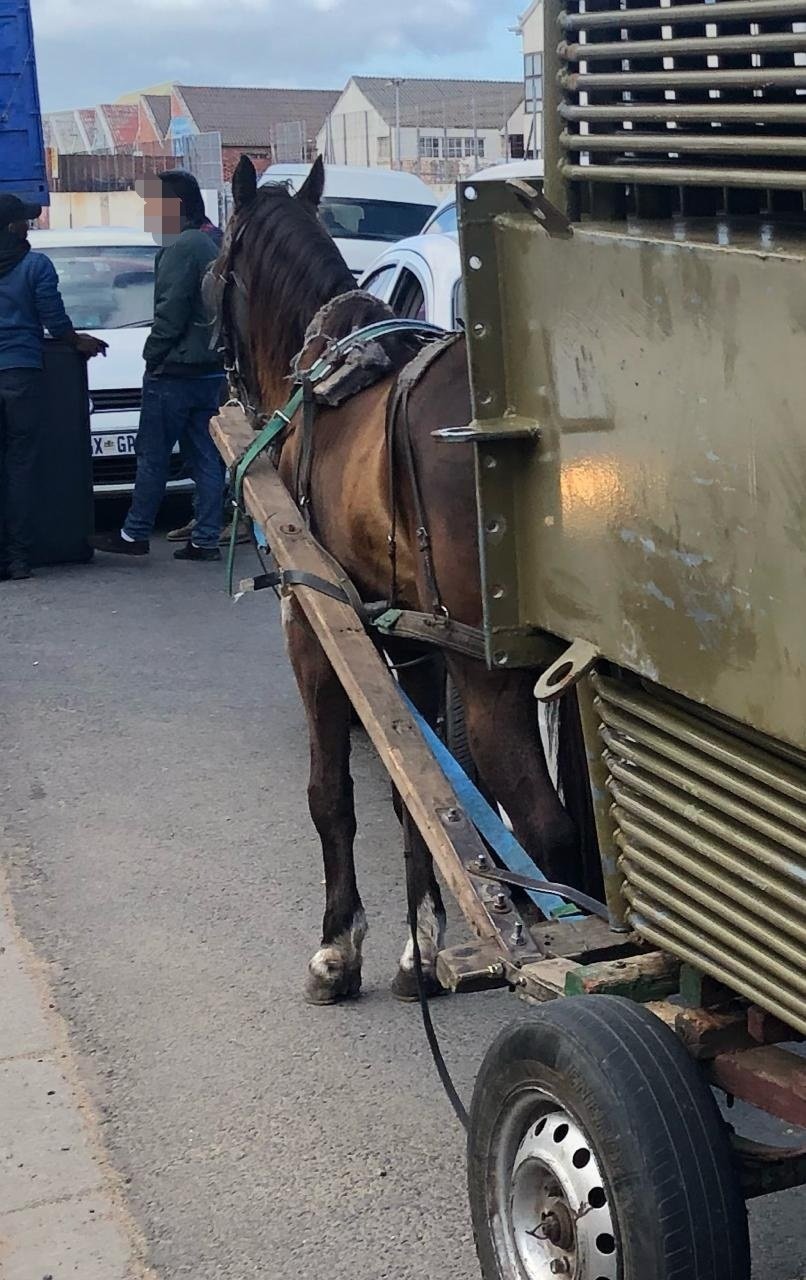
The Cart Horse Protection Association (CHPA) has seen an increase of complaints from the public about cart horses working without identification boards. This relates to an influx of non-registered horses on the roads, says Marike Kotzé, spokesperson of the CHPA.
As a first step towards regulation of the carting industry, identification plates for the carts were introduced in September 2010. In 2012 a new City of Cape Town animal bylaw was promulgated that included a chapter on Working Equines – requiring all equines working on the road to be registered and have a permit to operate.
There are currently 164 working horses registered with the CHPA deemed to work legally on the roads, says Kotzé.
“While the CHPA is the recognised registering body for these horses, we do not have the legal authority to fine them when the owners and drivers work with horses that are not registered.
We hope our inspectors can receive training from the City to give them the authority to do this, but at present, this task falls to law enforcement.”
Kotzé says in an effort to contain the carting industry, a decision was made in 2014 to close the registration of any new horses.
Consequences
“This meant that no horses could be bought in from other industries or areas and registered as working horses. From then on, the only new horses that would be registered had to be foals born from a registered mare.
The rationale behind this decision was a lack of funding to continue caring for the ever-increasing number of horses, as well as lack of space to keep the horses. This step also increased the value of a registered cart horse, making it a very valuable commodity to own.”
She says another deciding factor was a limit on scrap that cart horse operators could collect; that is their main source of income.
“At the moment we are seeing an influx of new, young drivers with very little regard for the rules and regulations.
“The environment in which they live tends to leave very little room for the consideration of the welfare of anything or anyone beyond their immediate survival. With the number of registered working horses being limited, these youngsters are now starting to work with non-registered horses.”
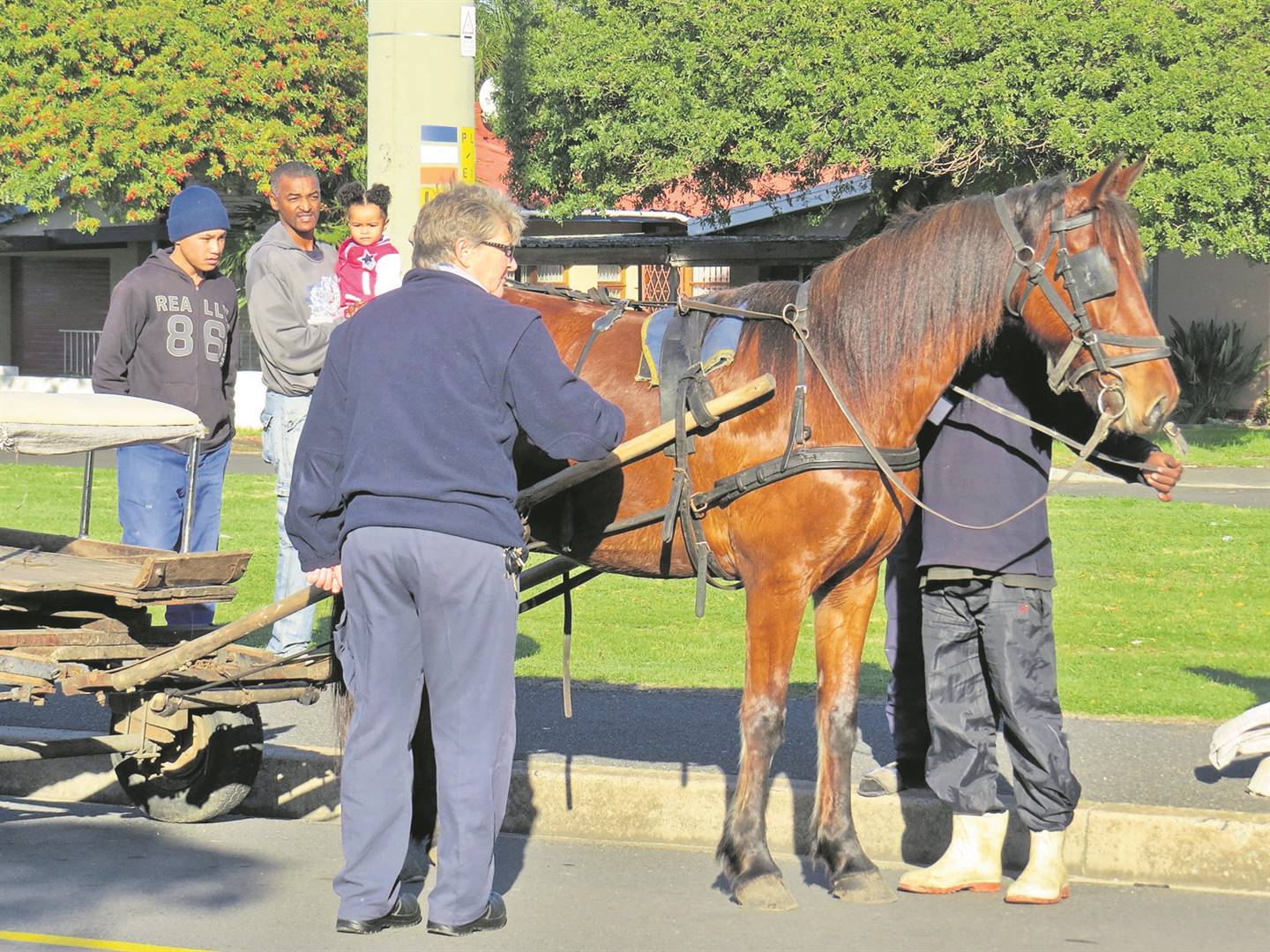
In recent months the CHPA has confiscated three horses – none were registered. “In all of these cases, we were able to confiscate only because of issues related to abuse and neglect,” says Kotzé.
The association’s inspectors work under the auspices of the Animals Protection Act.
In cases of abuse or neglect they can step in and confiscate the horses.
“We do our best to provide education, but our staff face daily abuse not only from these youngsters, but also from the general public,” says Kotzé.
The CHPA was founded in 1995 to ensure working horses on the Cape Flats were not abused or neglected.
“Besides being the registering body they also offer numerous subsidised services such as farriery, feed sales, veterinary care and offering advice or training to cart horse operators.
- Call the CHPA emergency number on 082 659 9599 to report issues relating to the welfare of horses on the road.