

While global Autism Awareness Day is observed annually on 2 April, South Africa dedicates the entire month of April to raising awareness, understanding, and acceptance of autism.
And while many advancements have been made in the field, there is still stigma and misconceptions around the disorder.
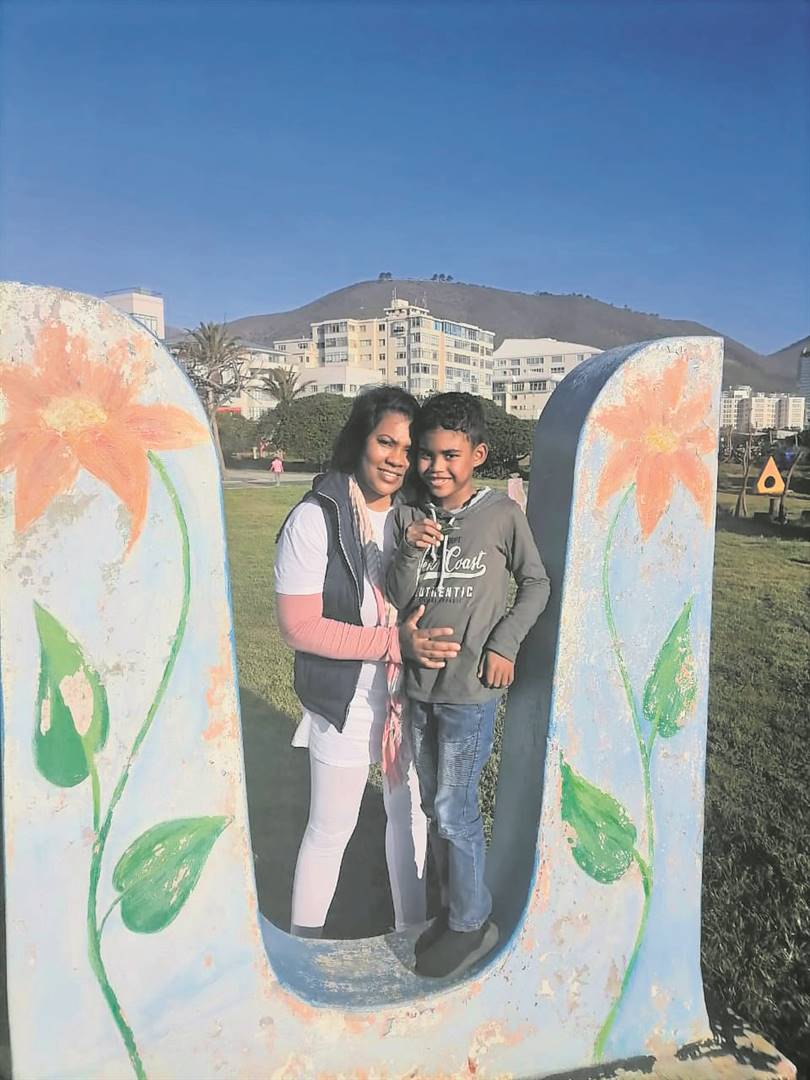
For Tracey Richards, her grandson’s diagnosis came after many years of denial.
As his primary caregiver, she says it has been particularly difficult coming to terms with meeting his needs but also defending him in a “society that does not accept or understand”.
“At five years old, we were preparing for school, but something stood out about him. He was clearly different. He had specific habits. At his ECD he was labeled as a slow learner,” she says.
“We were encouraged to see specialists during his doctor visits, but never wanted to accept that something was wrong.”
Limited resources
Resources and schools for children with autism spectrum disorders (ASD) is limited in South Africa.
While her grandson is now enrolled at a mainstream school at nine years old, his struggles have not ended.
“Classes are big and not all teachers understand how to deal with autistic children. Overstimulation is another concern,” she says. “There is no cure, but there is an opportunity for us all to learn so much from them. They are so bright, loving and they just need some patience and someone willing to learn from them and about them.”
With an estimated 1% of the global population with ASD, autism researcher at Red Cross War Memorial Children’s Hospital, Dr Mark Richards, said previously that autism outweighs any other intellectual or physical disability in children, (“Klipfontein, Mitchells Plain subtructure spread Autism awareness”, People’s Post, 9 April 2024).
What is ASD?
According to the provincial department of health and wellness, autism is a lifelong developmental disability which first displays itself in infancy and early childhood, causing delays in many basic areas of development, such as learning to talk, play, and interact with others. Although autism is a developmental disability it remains with a person for their whole life.
What to look out for
Parents should ask their child’s family doctor for a referral to a developmental paediatrician for assessment if there are concerns with:
- No babbling by 11 months of age;
- No simple gestures by 12 months, for example waving goodbye;
- no single words by 16 months;
- no two-word phrases by 24 months .odd or repetitive ways of moving fin;gers or hands;
- over-sensitive to certain textures, sounds or lights or
- lack of interest in toys or plays with them in unusual ways.
For more information on autism, contact Autism Western Cape on 021 557 357, email: support@autismwesterncape.org.za or visit www.autismwesterncape.org.za