

The National Sea Rescue Institute (NSRI) is preparing for a potentially challenging summer, with higher temperatures, increased fire risk and pressure on water resources among the concerns facing the Western Cape.
The strengthening El Niño climate cycle could add to seasonal pressures, prompting the organisation to consider how changing weather conditions may affect rescue operations, vessel maintenance and water safety.
NSRI head of operations Charl Maritz said the current outlook was being incorporated into summer-readiness planning, particularly following discussions with provincial disaster management officials in the Western Cape.
Preparing for increased water activity
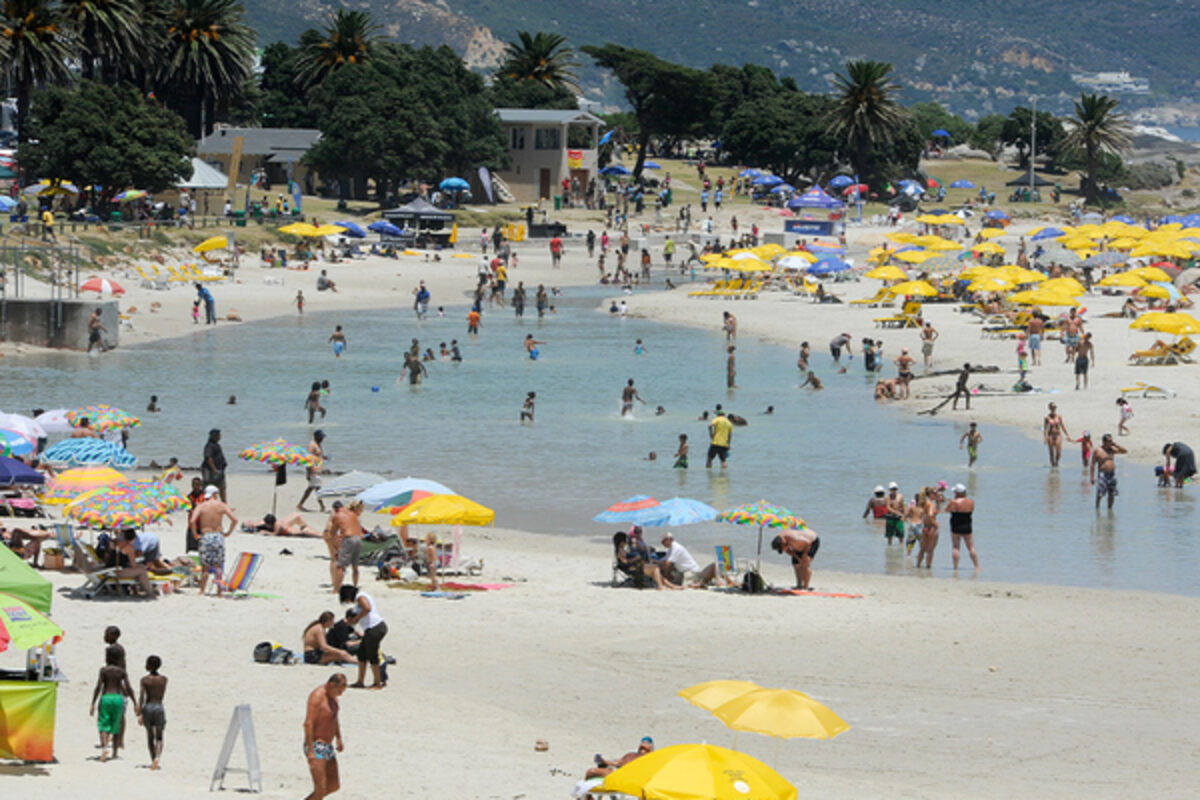
Hotter weather is expected to draw more people to beaches, swimming pools, rivers and dams, potentially increasing the demand for rescue services and raising the risk of drowning.
NSRI stations are preparing for a potentially busier drowning-in-progress season, with readiness checks covering crew and vessel availability, pre-season maintenance, coordination with lifeguarding services and drowning-prevention awareness.
The organisation is also strengthening its ability to respond to unpredictable weather events.
In July, NSRI volunteers and operational personnel completed specialist swiftwater rescue training to improve their ability to operate in fast-moving water.
The training forms part of broader preparations as rescue teams face calls to assist during inland flooding and other emergencies.
Water conservation at rescue stations
Water security is another concern, with Western Cape dam levels reported in late August to be 5% lower than at the same time last year.
NSRI head of fleet and facilities Graeme Harding said the organisation needed fresh water to maintain its rescue vessels and equipment.
“It has a dire effect on us. We have to wash and flush boats every time they’re used to ensure they stay in top shape.”
Crews returning from demanding rescues also need water to shower and clean their personal protective equipment.
To reduce pressure on municipal supplies, newer NSRI stations incorporate rainwater-harvesting tanks, while some facilities already have wellpoints or boreholes. The organisation is also investigating the feasibility of installing boreholes at other strategic bases.
Operational teams are reviewing water-conscious procedures, including engine flushing, while ensuring conservation measures do not compromise vessel safety or mechanical readiness.
Drowning prevention remains a priority
NSRI community programmes manager Mthe Kweyama said hotter conditions could lead to more families and children seeking relief at swimming spots, placing additional pressure on lifeguards and increasing drowning risks.
The organisation plans to adapt its water-safety messaging to reflect the conditions expected this summer while continuing to promote safe behaviour around water.
Parents and caregivers are urged to supervise children closely, particularly at rivers, dams and other swimming areas without lifeguards.
Hot weather also brings risks such as dehydration and heat exhaustion, while overcrowding at popular swimming spots can create further hazards.
Planning for changing conditions
Maritz said climate-related considerations were increasingly becoming “standing planning considerations rather than once-off items”.
The NSRI’s preparations include managing water supplies at rescue stations, protecting crews working in extreme heat, anticipating changes in recreational water use and ensuring rescue resources are ready when needed.
Although conditions over the coming months remain uncertain, the organisation is focusing on early preparation to help protect its crews and the public throughout the summer season.
ALSO READ: NSRI urges holidaymakers to put water safety first as school holidays begin