
Mitchells Plain is a step closer to having its own local drug action committee after Subcouncil 17 met on Monday, 18 May, to hear a presentation on the National Drug Master Plan — and a councillor made a firm call to have the body up and running before November.
The meeting was held as part of the City of Cape Town’s drive to set up Area Local Drug Action Committees (ALDACs) at subcouncil level across the city. Each ALDAC will report to the city’s Central Local Drug Action Committee, which reports to the Western Cape Substance Abuse Forum.
The national plan explained
Chantel Pepper of the department of social development and Ferial Soeker, the head of substance abuse and gender at the Western Cape Government’s Department of Social Development, presented the National Drug Master Plan — the guide that sets out how to deal with alcohol and drug problems, from national government down to local level.
Pepper explained that the plan is built on a bottom-up approach, meaning communities must identify their own needs first, rather than waiting to be told what to do.
“We can’t tell you what your needs are — you tell us what your needs are,” she said. “That’s how the partnership works.”
The plan has seven goals covering everything from cutting the supply of drugs to building stronger communities and creating economic opportunities to ease poverty and unemployment. Pepper said the Cape Flats — where gangsterism, crime, unemployment, and poverty remain serious risk factors — need action on both the supply and demand sides, and that this was why the anti-gang unit task team was established.
Tik still a major concern
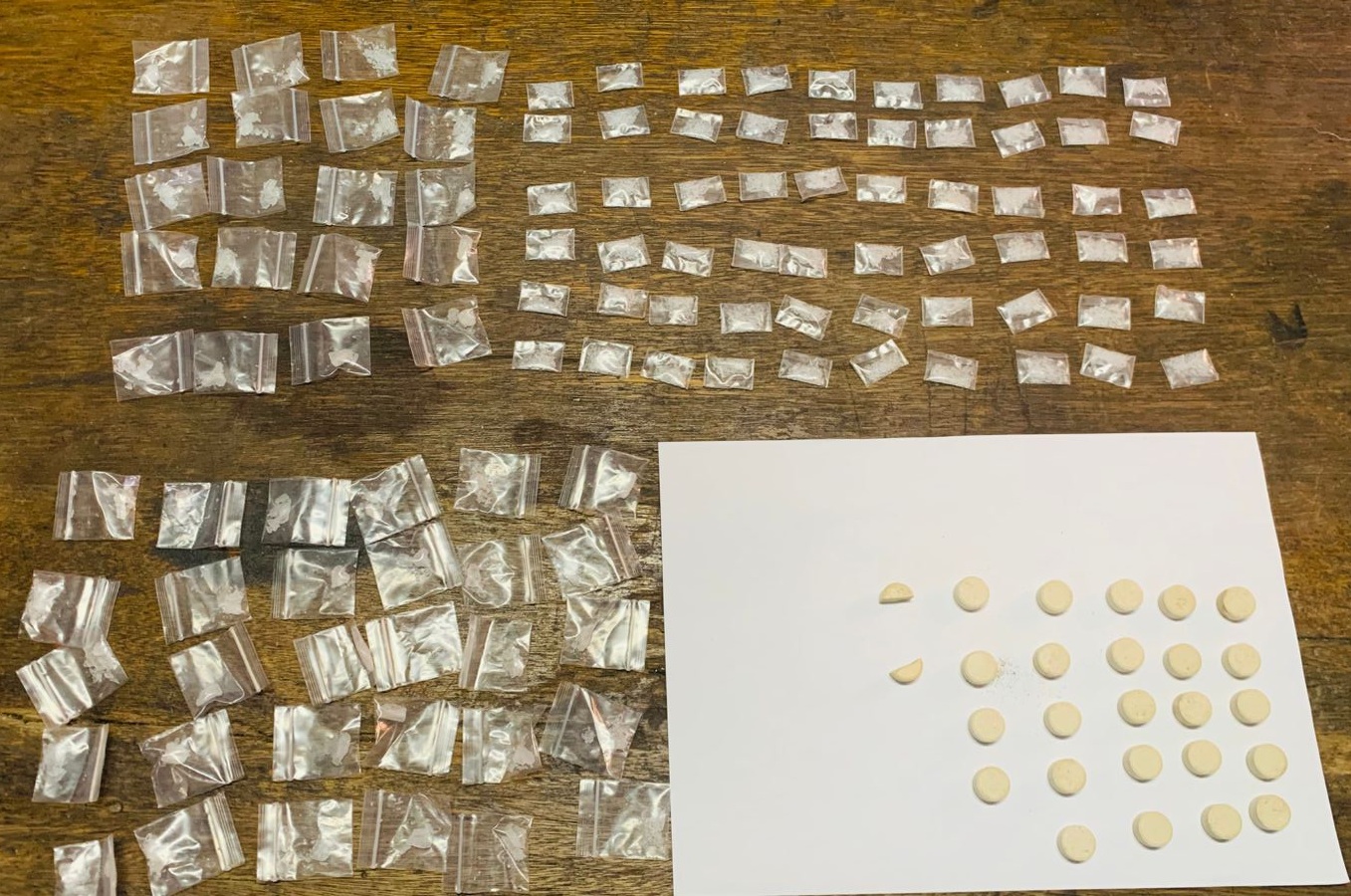
Pepper said tik remains the most widely used substance in the Western Cape, and warned of a growing problem with substance-induced psychosis — caused by long-term drug use — which can look like schizophrenia or bipolar disorder.
She also flagged reports of a new substance picked up in the Cape Winelands and Saldanha area, as well as a nyaope-like substance being promoted on TikTok, raised by social workers in the Cape Flats.
A 2013 study by the United Nations Office on Drugs and Crime found that learners in the Western Cape preferred, in order, alcohol, cigarettes, dagga, and tik — and those patterns have remained largely consistent since then.
What is already working
The Matrix Clinics — which provide treatment through City of Cape Town clinics — are marking 20 years since the first one opened in Tafelsig in 2006.
Sultan Bahu, a privately-funded out-patient clinic in Westridge, was also held up as a flagship success. It was the first non-governmental organisation in the country to receive funding for heroin-use intervention, offering opiate substitution therapy using Suboxone for 12 years.
Pepper also mentioned the ASSIST tool — a free app that can be used by anyone, including mothers, teachers, and councillors, to screen themselves or someone they know for possible substance use problems. It gives guidance on whether community-based care, early help, or inpatient treatment is needed.
Over 20% of people using treatment services in the Western Cape are re-admissions — people who have been through treatment, relapsed, and returned. This, Pepper said, showed why community-based care matters as much as inpatient treatment.
She pushed back against what she called the “washing machine model” — the belief that someone goes into treatment and comes out cured.
“It’s a lifelong commitment,” she said.
Budget cuts bite
Budget cuts have forced some organisations to scale back. The Cape Town Drug Counselling Centre closed its Mitchells Plain office, even as the demand for services kept growing. Pepper said most funded bodies are based in the City of Cape Town, leaving rural and district municipalities far worse off in terms of resources — a gap she said made the resilience of smaller communities all the more remarkable.
How the committee will work
Soeker explained that the new area committee would need to hold at least one meeting per quarter, with its reports ready before each quarterly Cape Town Alcohol and Drug Action Committee meeting.
The Cape Town Alcohol and Drug Action Committee has concluded its meetings for the current financial year, she said. New dates would be shared in July, once council dates had been set.
“We’re trying to make it as simple and as easy on sub-council managers as possible,” she said. Pepper confirmed that the City’s own Alcohol and Other Drug Strategy is aligned with the National Drug Master Plan and is currently under review.
Councillor calls for action now
Westridge councillor Ashely Potts made a firm call for the Local Drug Action Committee to be up and running in Mitchell’s Plain before November, when his term ends.
Potts, who ran the Cape Town Drug Counselling Centre before it was closed, has a long history working in drug recovery.
“There is a big need, but without a drive and a clear intention to ensure it happens, our people are going to continue suffering in the community,” he said.
He proposed visits to the Matrix Clinic and Sultan Bahu Centre, and called for a recovery support allies training session to be hosted locally so that community volunteers — including neighbourhood watch members — could be trained to spot people who need help and point them to the right services.
He also noted that Friday, 19 June — the International Day Against Illicit Drug Trafficking — was a date by which the committee’s work should be visible to the community.
The chair confirmed that Potts had been nominated as sub-council lead for the committee and asked the secretariat to hold the process to account.
The session ended with the chair Elton Jansen asking whether religious leaders had been brought on board. Soeker said they absolutely had to be.
ALSO READ: Addiction puts health care pressure on Mitchells Plain hospital