
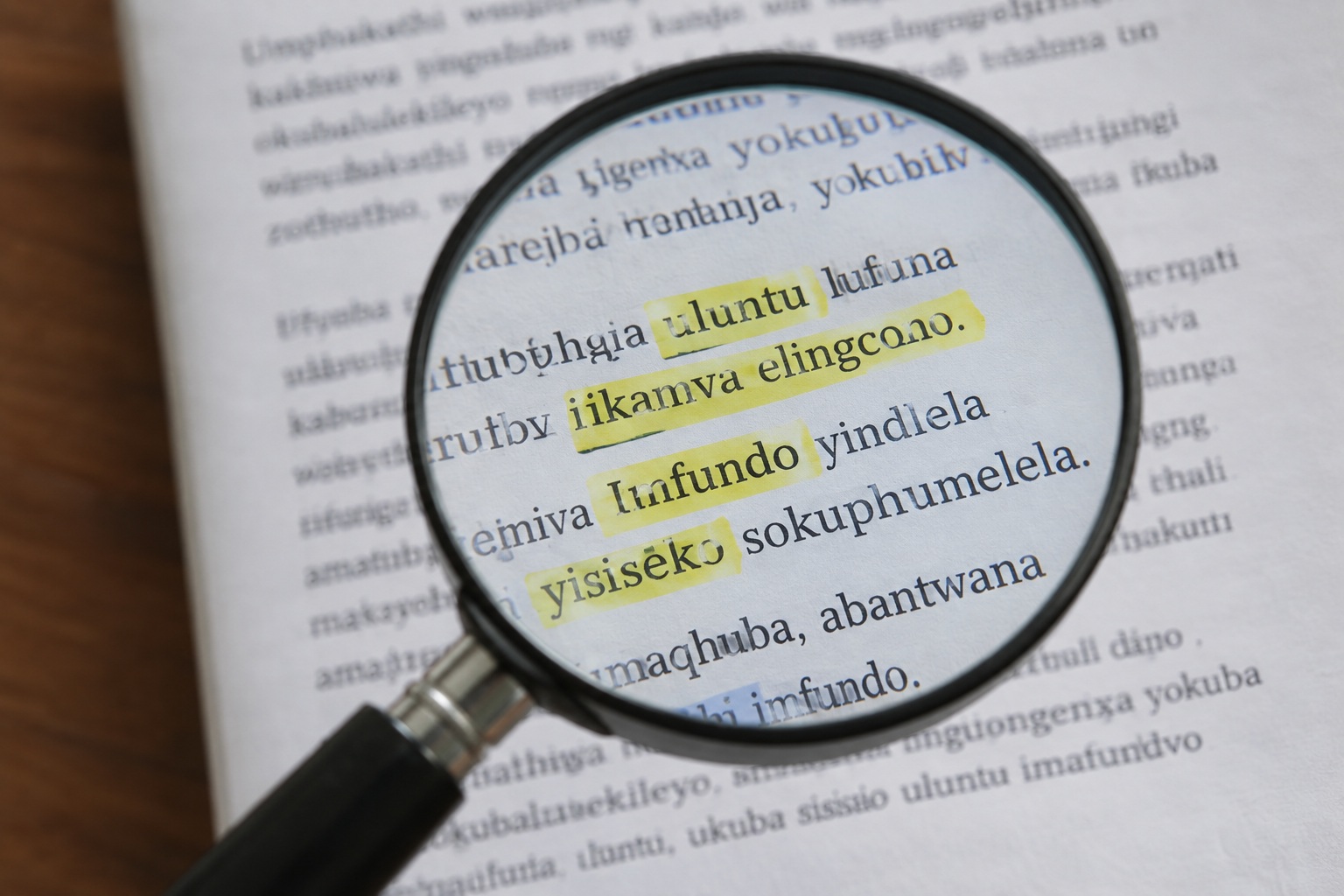
When false information spreads online in English, artificial intelligence (AI) can often help identify it. But when the same misinformation appears in isiZulu, Sepedi or many other South African languages, the tools are limited.
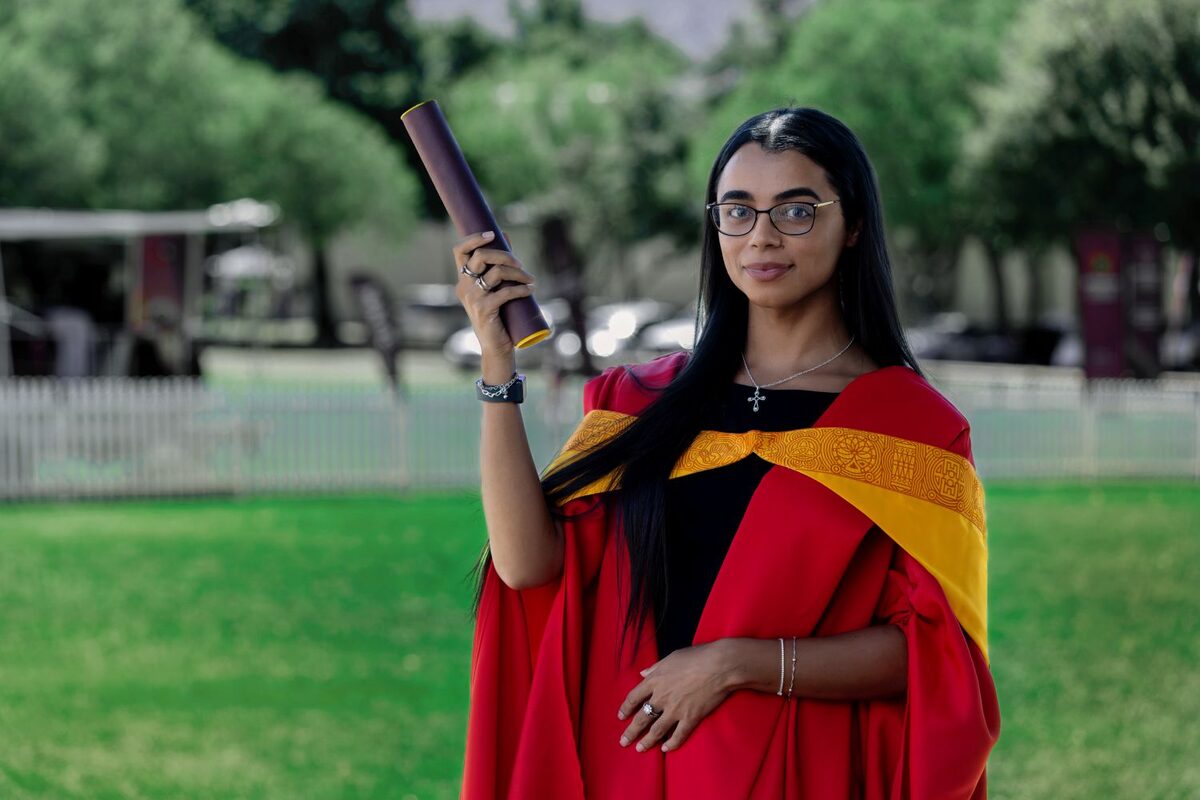
A North-West University (NWU) PhD study by Dr Seani Rananga is addressing that gap by developing AI that can work across English, isiZulu and Sepedi to detect misinformation, laying the groundwork for safer digital spaces in South Africa, an article in the recent edition of Public Sector Manager reports.
The research shows that AI trained to work in multiple languages can identify misleading information across the three languages. It also highlights the importance of improving automated translation for African languages that have limited digital content available for AI systems to learn from. The study provides a framework that can be adapted to combat misinformation during elections, public emergencies and other events where false information can have serious consequences.
Rananga, a lecturer at the University of Pretoria, says the research was driven by the need to ensure that speakers of South Africa’s indigenous languages are not left behind as AI becomes increasingly important in identifying misinformation.
“South Africa is one of the most linguistically diverse countries in the world, yet most AI systems for detecting misinformation are developed primarily for English,” she said.
“This leaves speakers of indigenous languages at a disadvantage when it comes to identifying false or misleading information online.”
Building trustworthy technologies
Her PhD research used misinformation surrounding the Covid-19 pandemic as a test case to try out the multilingual framework.
The pandemic showed how quickly false information can spread and the consequences it can have for people’s lives, according to Rananga. While the initial research focused on health misinformation, the methods were designed to be applied across multiple sectors where misinformation presents a public risk.
The study found that multilingual AI can effectively detect misinformation in English, isiZulu and Sepedi. It also showed that the quality of automated translation plays a significant role in improving AI performance for languages with limited digital content.
“The framework provides a foundation for building more inclusive and trustworthy AI technologies for South African languages,” said Rananga.
She added that the findings could support government departments, fact-checking organisations, social media platforms and communities by enabling earlier detection of misleading information, improving access to credible information and helping people make informed decisions.
International recognition
The study has attracted international recognition. Rananga received the Google PhD Fellowship, one of the world’s leading awards supporting doctoral research in AI.
Her work also received the Best Poster Award at the 2025 Deep Learning IndabaX South Africa, earning her funding to present the research at the 2026 Deep Learning Indaba at Pan-Atlantic University in Lagos.
“Receiving the Google PhD Fellowship was a tremendous honour and a strong validation of the importance of conducting AI research for African languages. It reinforced my commitment to developing technologies that address challenges faced by multilingual and low-resource communities while also creating opportunities to collaborate with leading researchers around the world,” she said.
Looking ahead
Rananga plans to expand the research to include more South African languages. Future work will focus on misinformation shared on social media during elections, public emergencies and other high-impact events.
She also intends to extend the research to address emerging challenges such as deepfakes — fake videos or images created with AI that appear authentic — as well as hate speech and other forms of harmful online content.
Beyond detection, Rananga aims to develop trustworthy multilingual AI systems. These include large language models, which are AI programmes that can understand and generate human language; systems that can look up and check information before giving an answer; and databases that map how pieces of information connect to each other. These tools could support sectors such as healthcare, education, agriculture, governance and public services.
“My long-term vision is to ensure that African languages are fully represented in the next generation of AI technologies while contributing to safer and more reliable digital spaces for everyone.”
ALSO READ: Adopting AI in SA universities