
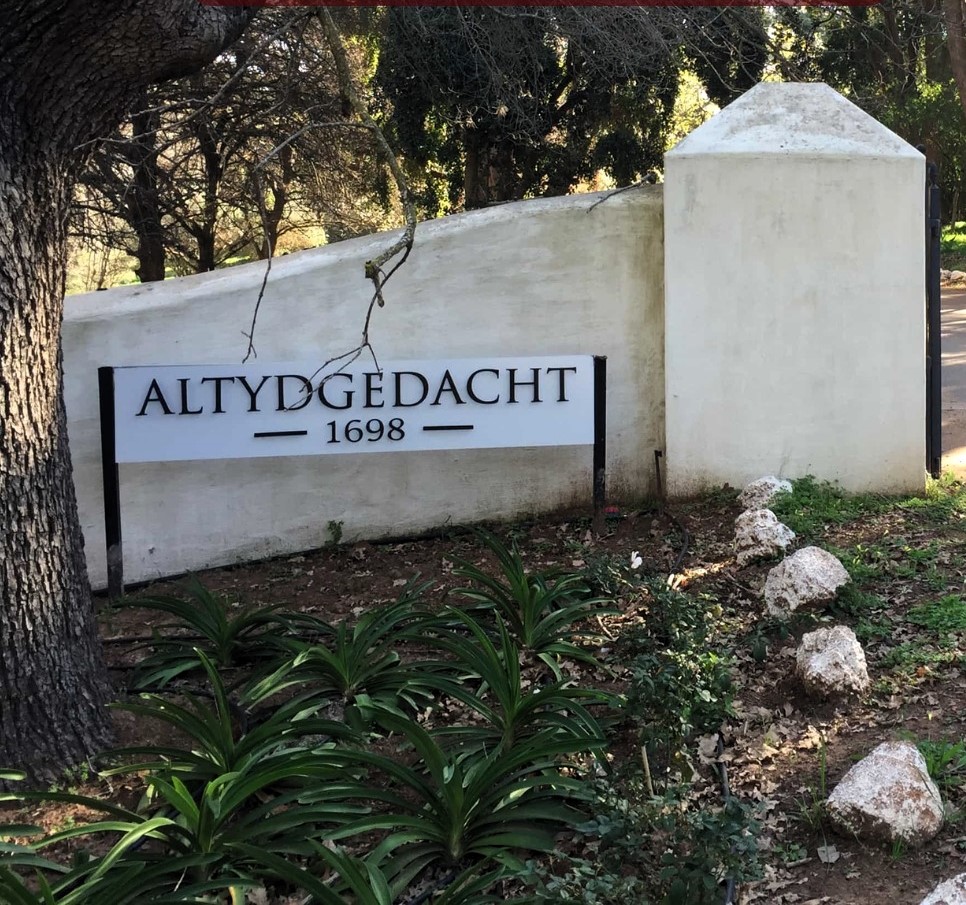
Although the deadline for comments on the proposed plans to develop part of the historic Altydgedacht wine farm in Durbanville was on 9 January, comments will still be accepted until Friday 30 January.
The comments are part of the public participation of the Environmental Impact Assessment process (basic assessment) in terms of the National Environmental Management Act (1998).
The extension of the closing date for comments came after extension was granted to one of two people on their request, but it was understood that the extension counts for all.
According to Euonell Visagie of Guillaume Nel Environmental Consultants, they welcome further comments throughout the process, but the extended comment period will now end on 30 January. There will also be subsequent comment period, she says.
Mixed-use development
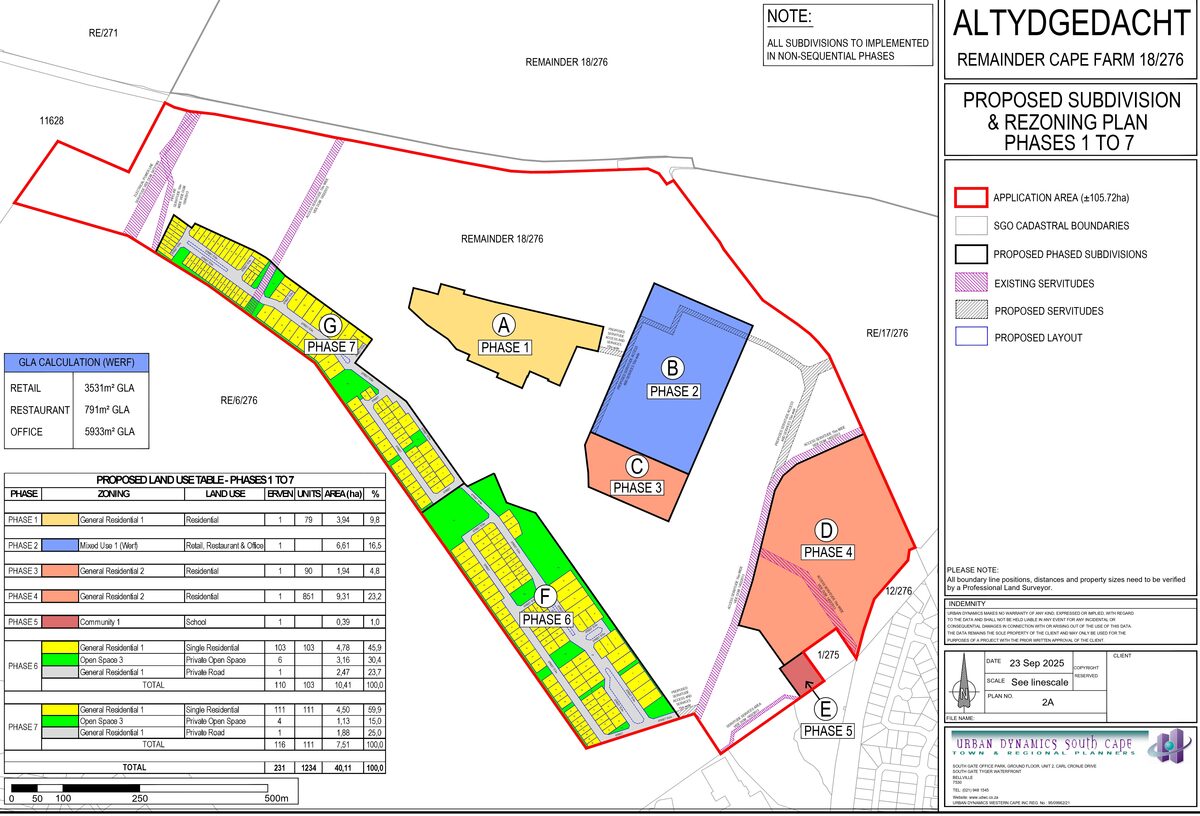
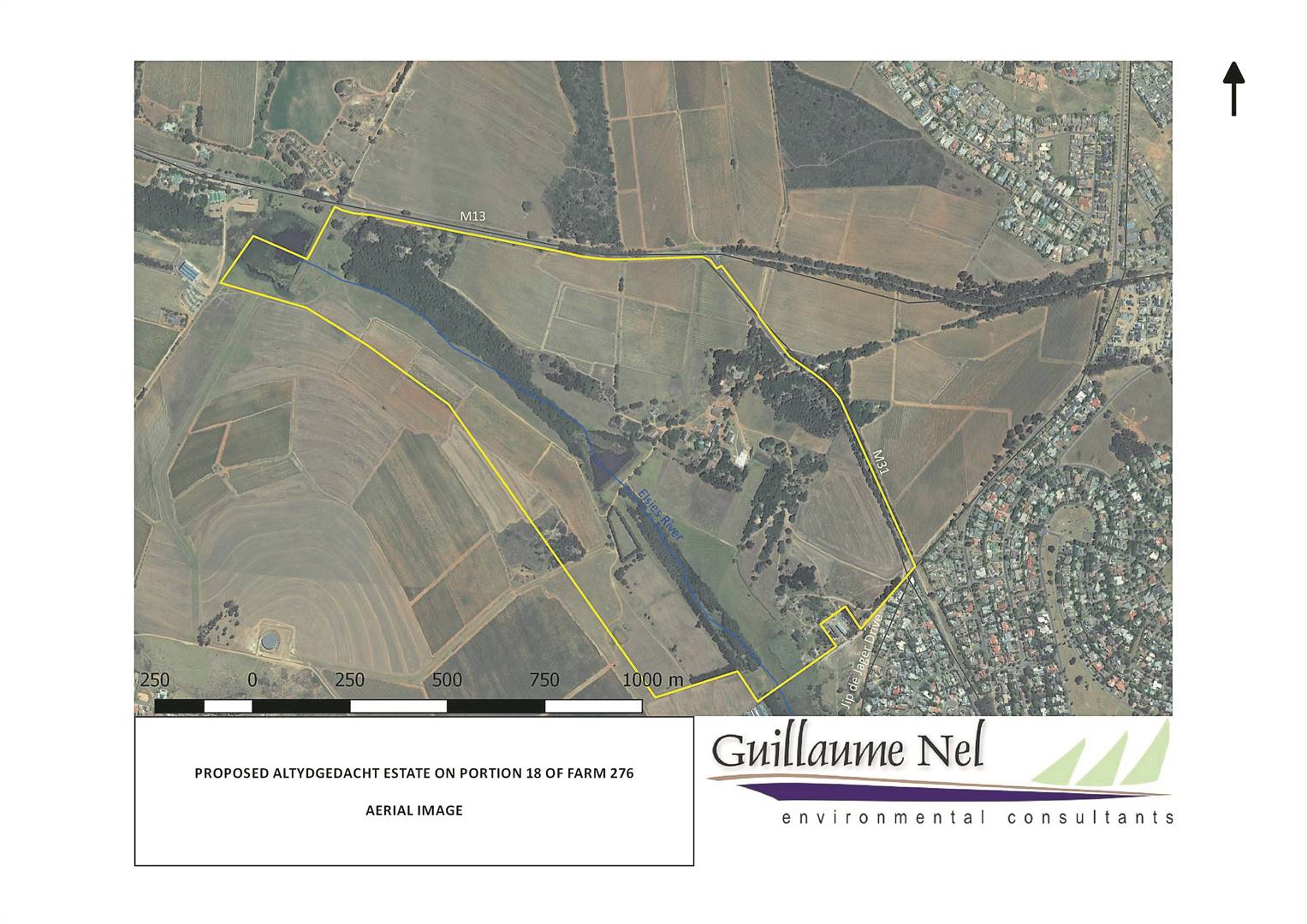
The ambitious plans to develop part of Altydgedacht wine farm entails a mixed-use development on about 40 ha (15%) of the 260 ha farm whilst preserving the majority of the property for continued agricultural use and conservation, according to the executive summary of the second draft basic assessment report, which was issued on Friday 14 November last year.
The farm is dissected vertically by Tygerberg Valley Road into a 154 ha northern and 106 ha southern sub-portion. The proposed development is confined to the southern portion of 106 ha only, with the northern portion remaining unaffected by development, according to the report. The development will incorporate predominantly residential development, supported by a mixed-use precinct (commercial and tourism), school site expansion and private open-space areas for rehabilitation, landscaping and stormwater management.
Range of housing types
The development will consist of 110 erven larger than 300m² in extent, 100 erven less than 300m² in extent, 82 erven less than 500m² in extent, 90 retirement units, 807 three-storey apartments and 44 single residential units.
A mixed-use precinct would be established around the historic farmyard, featuring approximately 3 531m² of retail space, 791m² for restaurants and 5 933m² of office space.
Other proposed infrastructure improvements include a new 1.8m litre water reservoir, stormwater management systems with infiltration ponds, and a 130 000m³ dam for agricultural irrigation.
Urban edge
The proposed development plans came despite the land being outside the urban edge. The City of Cape Town has also not received any application for the rezoning of the land from agricultural to residential purposes. Eddie Andrews, deputy mayor and Mayco member for spatial planning and environment of the City of Cape Town, earlier told TygerBurger the land is, according to the current council-approved 2023 Municipal Spatial Development Framework (MSDF) and Northern District Plan, located outside of the urban development edge in an area of agricultural significance.
Andrews said the City’s land use management department has not received a land use application for the land.
“It is important to note that this is the environmental process, not the rezoning. Rezoning is not required before the environmental process is started,” he said.
According to environmental consultants from Guillaume Nel Environmental Consultants have concluded that the development is “environmentally acceptable and sustainable” provided proper mitigation measures are implemented. Specialist studies found no fatal flaws in the proposal. However, the development would result in the loss of approximately 4 ha of existing vineyards and 15 ha of high-potential agricultural soils.
To address these concerns, the plans emphasise that 85% of the farm would remain undeveloped, including critical biodiversity areas and the most productive agricultural land.
The northern portion of the farm would continue as working agricultural land and conservation areas, preserving important ecological habitats including wetlands and riparian zones along local watercourses.
The proposal includes restoring the farm’s historic buildings and maintaining its wine-making operations, whilst adding new community amenities and green spaces along the nearby Elsieskraal River.
Traffic impacts have been identified as a key concern, with necessary upgrades planned for nearby intersections and road networks to accommodate increased vehicle movements from the new residential community.
The proposal must still receive environmental approval from the Western Cape department of environmental affairs and development planning, with a decision expected by November 2026. If environmental authorisation is granted as expected, construction could begin in January 2027, according to the report.
- Detailed plan can be reviewed at www.gnec.co.za or contact Guillaume Nel Environmental Consultants by email to a.p@gnec.co.za. Comments should be emailed to a.p@gnec.co.za.