
South Africa has taken a major step towards resolving its anti-venom crisis, with the National Health Laboratory Service (NHLS) announcing the release of the first newly-produced batch of snake anti-venom after more than a year of critically-low supplies.
Anti-venom reserves have been depleted since mid-2024, with the South African Vaccine Producers (SAVP) confirming in October that it was unable to manufacture any doses. The shortage stemmed from electricity supply challenges and necessary infrastructure upgrades at the SAVP facility — South Africa’s sole antivenom producer.
“The NHLS restarted production in early September and has since produced 435 units of polyvalent anti-venom, which is effective against multiple snake toxins. This first batch marks a positive shift after months of strained emergency care resources,” CapeNature said in a media release.
Why anti-venom matters
Producing antivenom is a highly specialised, time-intensive process that requires meticulous quality control to ensure the safety and efficacy of every vial. According to the African Snakebite Institute (ASI), South Africa records around 4 000 snakebites each year, leading to approximately 900 hospitalisations. Only about 3% of victims require anti-venom — but for those who do, it is often lifesaving.
“Without access to antivenom, severe envenomation can rapidly result in organ failure or death, making reliable supply crucial for both rural and urban healthcare facilities.”
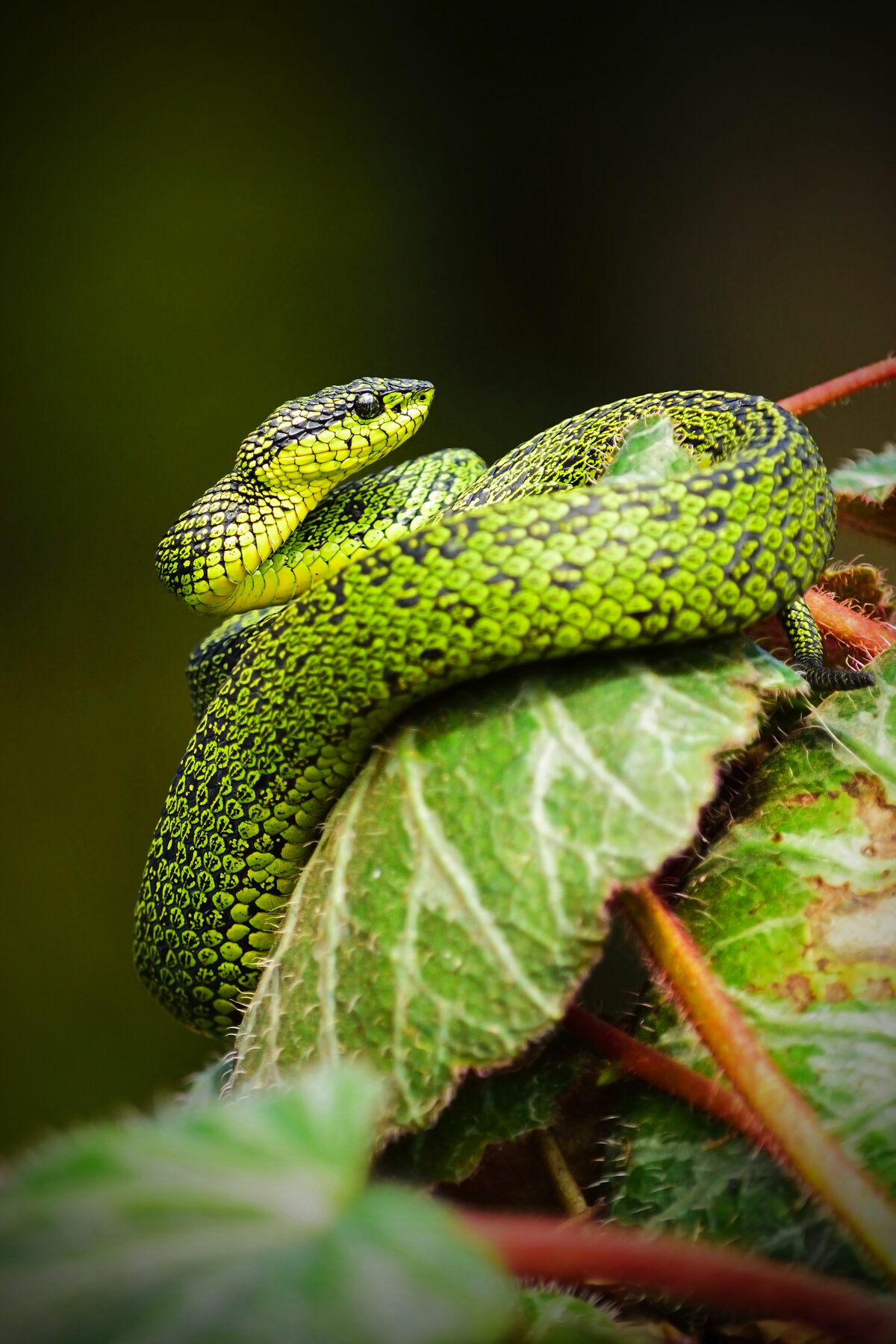
As temperatures rise, the country enters peak snake season — a time when encounters with snakes become far more common. Warmer weather draws snakes out to hunt, bask and search for water, increasing the likelihood of crossings with hikers, gardeners and residents in suburban areas.
Experts urge the public to stay alert, keep pets close, and avoid attempting to handle or kill snakes, as most bites occur when people try to intervene. With more sightings expected in the months ahead, awareness and calm responses remain key to preventing dangerous encounters.
What will be produced and where it’s going
The NHLS confirmed that production will extend beyond snake anti-venom alone. Future batches will include polyvalent antivenom, boomslang-specific anti-venom, spider anti-venom and scorpion anti-venom.
In collaboration with provincial health departments, the NHLS is prioritising fair distribution to clinics and hospitals in high-risk, snakebite-prone regions. This coordinated effort aims to stabilise supply chains and ensure timely access for emergency medical teams.
For any medical emergency involving venomous bites or stings, the public is urged to call 10177 or head to the nearest healthcare facility immediately.