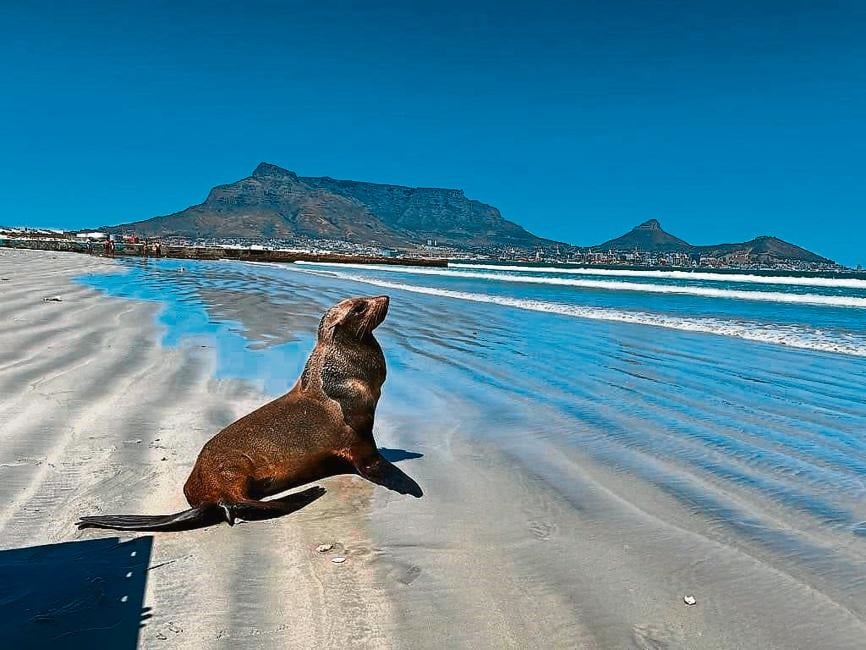

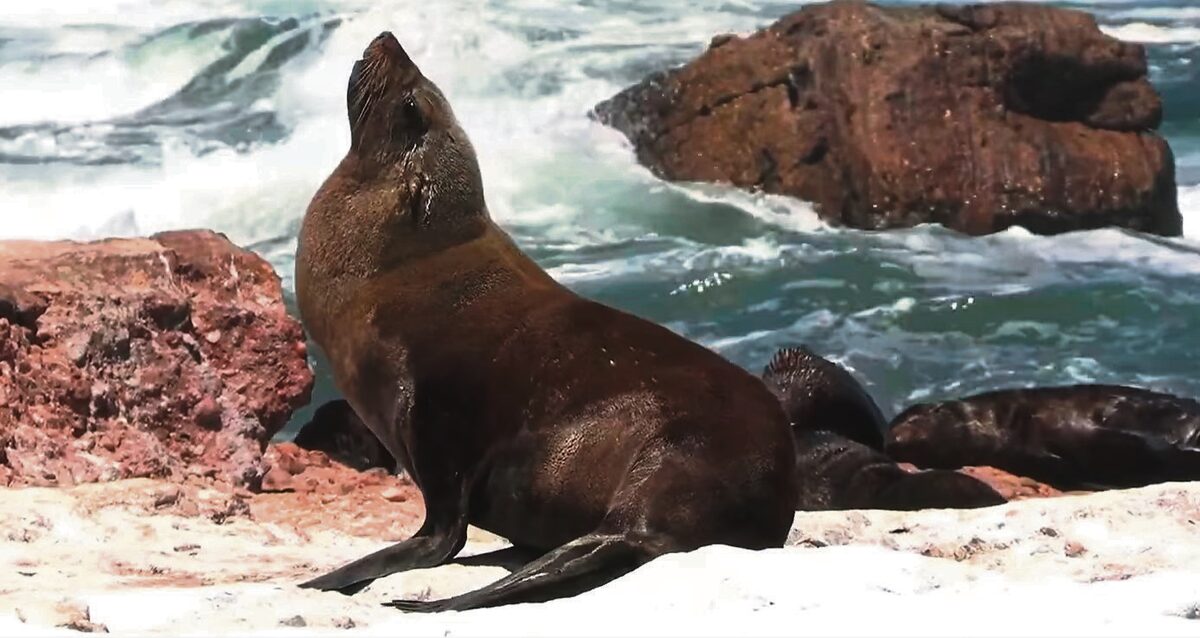
Along the South African coastline, an alarming rise in rabies cases among seals is still unfolding, with concerning implications for both marine life and human safety. Marine research organisation Sea Search has reported an unprecedented number of infected seals, raising urgent questions about the spread of the virus.
While rabies in seals is not new, the scale of the current outbreak and the risks posed to humans and dogs through seal bites – has heightened concerns. With no cure once symptoms appear, proactive measures are critical.
“Fortunately, no human cases have been recorded, and researchers are determined to keep it that way,” Sea Search says.
In August last year, the City of Cape Town in partnership with the Department of Forestry, Fisheries and the Environment (DFFE), the Two Oceans Aquarium Foundation and Sea Search, partnered on an expert scientific workshop.
TygerBurger reported on the recent rabies outbreak noted in seals (“Rabies detected in Cape Fur seals along Western Cape coast, warning issued”, 5 July) after a Cape fur seal off the coast at Big Bay tested positive for rabies. It died on 22 May 2024 and the laboratory results came in on 7 June 2024.
“We are currently observing the first known rabies outbreak in a marine mammal globally.
“The virus was accidentally introduced to Africa through the movement of infected dogs and has affected multiple wildlife species, including several considered endangered, throughout the continent since the 1950s.
“However, only in June 2024 was the first case of rabies in a marine mammal identified through brain samples collected by Sea Search.
“Since then, our biobank of seal samples has been analysed, and the first known case in South Africa dates to August 2022—although it is likely that seals were suffering from this disease years prior.
“However, what we are currently witnessing regarding the number of seals affected, or likely to be affected, by rabies along the coast of South Africa is unprecedented, particularly as both humans and dogs are being impacted by seal bites.
“Once a seal (or any mammal) is infected and displays clinical signs of rabies, there is no cure.
“Thankfully, no human has contracted rabies from a seal, and we aim to keep it that way!” Sea Search says.
No cure
Once a seal (or any mammal) is infected and exhibits clinical signs of rabies, there is no cure.
The animal will die, often within 10 to 14 days, due to a torturous progression of paralysis and cardiac arrest. During these final stages, the virus “instructs” the animal to bite, and by biting other animals, the virus is passed on through saliva to infect them.
Through behavioural characterisation of the rabies virus in seals and routine surveillance, Sea Search can:
Quickly identify seals showing rabies symptoms in the wild.
Work with project partners to humanely euthanise animals suffering the symptoms of rabies (recalling that there is no cure and animals will die -the best we can do is to stop the spread to other animals).
Test animals euthanised and carcasses found during surveillance to understand rabies prevalence, geographic spread and better understand which animals are likely to contract rabies.
Advise the public on behavioural indicators of rabies, thereby increasing public safety and targetting wildlife response.
Inform wildlife practitioners in Southern Africa and beyond on the characteristic diagnostic behaviours of seals suffering from rabies, facilitating rapid identification of rabies in other marine mammal species in the event of cross-over transmission to other seal, dolphin, or whale species.
To support this research, Sea Search set up a new campaign to help focus funds to support this work and the staff working tirelessly to find answers. Visit https://www.backabuddy.co.za/…/seal-rabies-research-and… to donate.