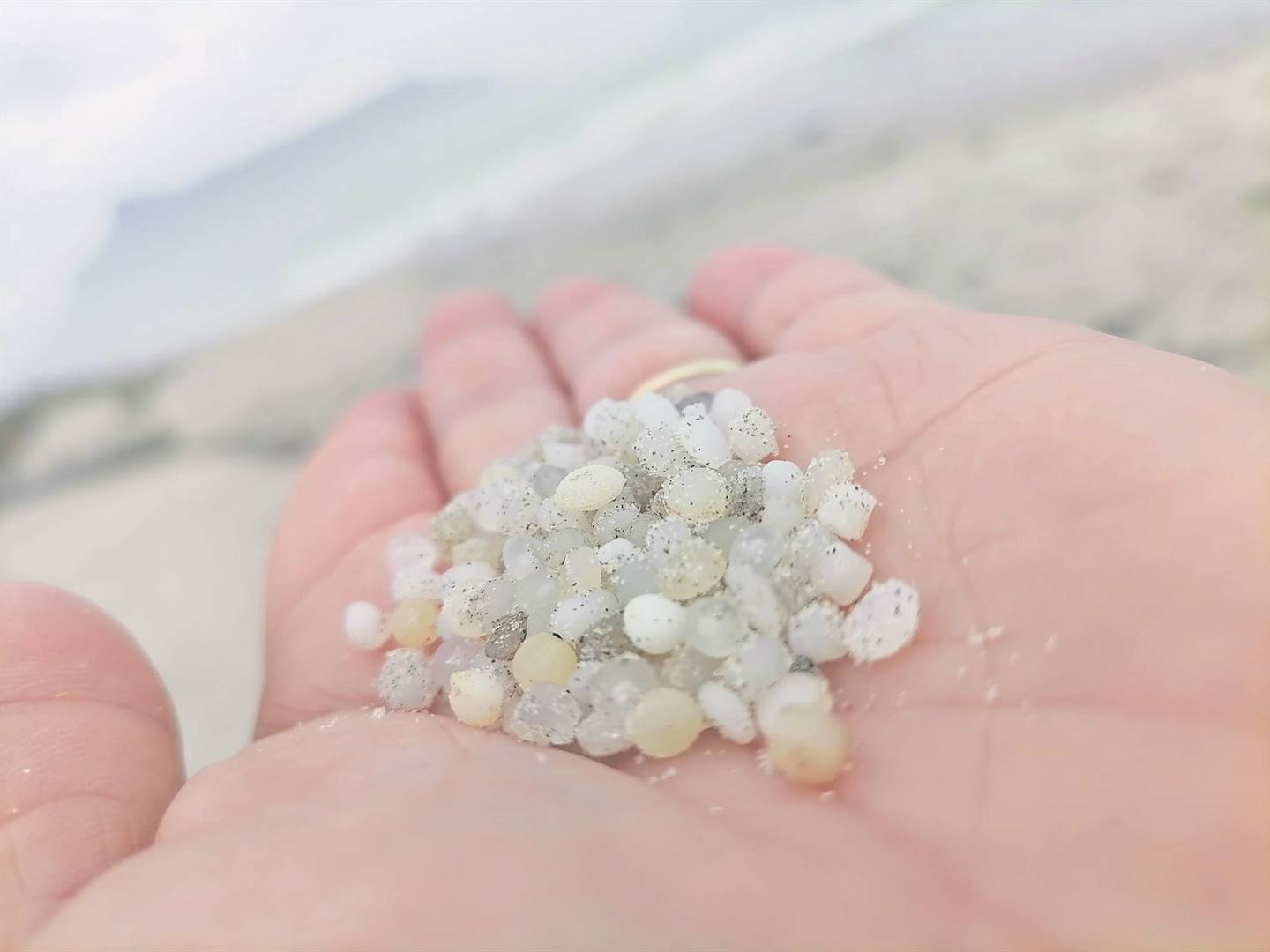

As October begins, ocean lovers are being called to action by Save a Fishie for a crucial mission – the Great Global Nurdle Hunt. This month-long campaign aims to tackle one of the most dangerous forms of plastic pollution silently invading the shores — nurdles. These tiny, lentil-sized plastic pellets are the building blocks of almost all plastic products, from water bottles to car parts. Though small (typically less than 5 mm), their environmental impact is massive.
What are nurdles?
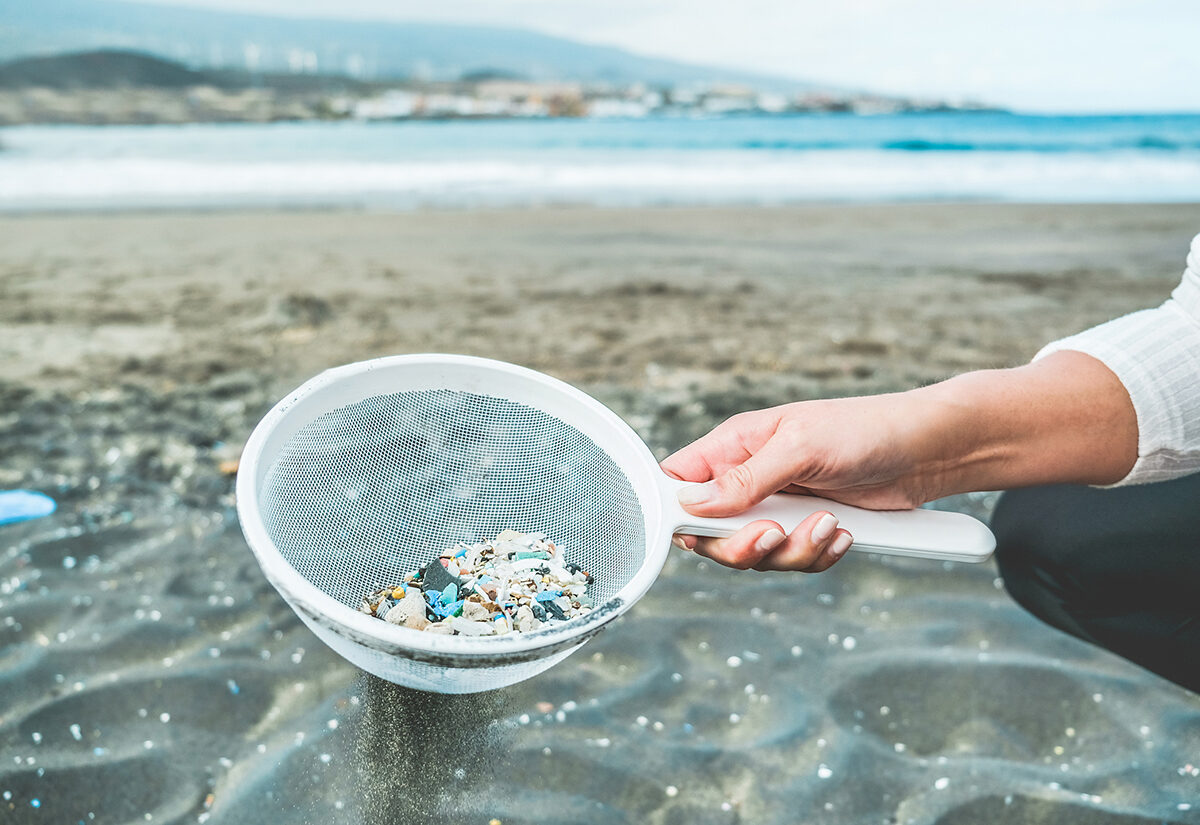
Nurdles are considered microplastics, and because of their size, they often slip through the cracks of standard waste management and environmental monitoring systems. Millions of nurdles end up in our oceans each year, either through industrial spills, poor handling, or improper waste disposal.
Once in the ocean, they pose a deadly threat to marine life. “Nurdles, being mistaken for food by marine animals, are ingested with grave consequences,” explains Zoë Prinsloo, founder of Save a Fishie. “They clog digestive systems, cause internal injuries, and release harmful toxins that threaten entire marine ecosystems.”
Why this matters
During Save a Fishie’s recent Coast to Coast Campaign in August, volunteers found nurdles on 41 of the 111 beaches they visited — a stark reminder of how widespread the problem is.
“They just keep washing up on our shores,” Prinsloo said. “We managed to remove thousands, but that’s only a drop in the ocean. This is an environmental crisis that’s largely invisible to the public.”
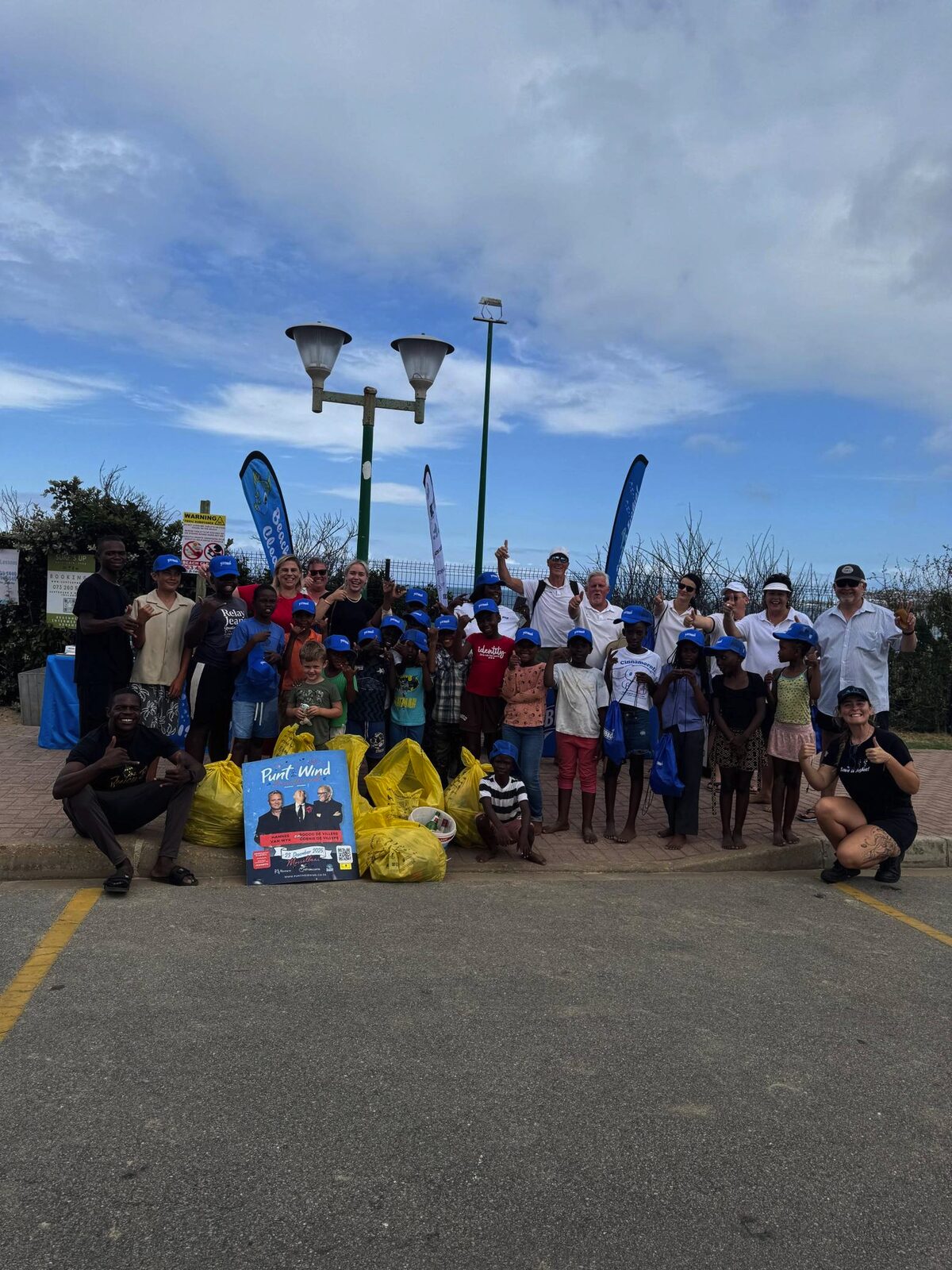
From 1 to 31 October, the Great Global Nurdle Hunt is in full swing to find nurdles. While all forms of waste will still be collected, the spotlight this month is firmly on nurdles. And here’s the best part — you don’t have to join a formal clean-up to make a difference.
How you can join the hunt
- Head to your nearest beach anytime during October.
- Look out for nurdles – they’re small, usually translucent or pale-coloured pellets.
- Collect and store them safely.
- Record your findings: count the nurdles and make a note of where you found them.
- Bring them to Save a Fishie, or connect with the organisation to find out how to contribute.
“Whether you’re joining an organised clean-up or doing your own solo beach patrol, your contribution counts. Every nurdle removed from the beach is one less danger to our oceans,” says Prinsloo.
For more information, send an email to info@saveafishie.co.za