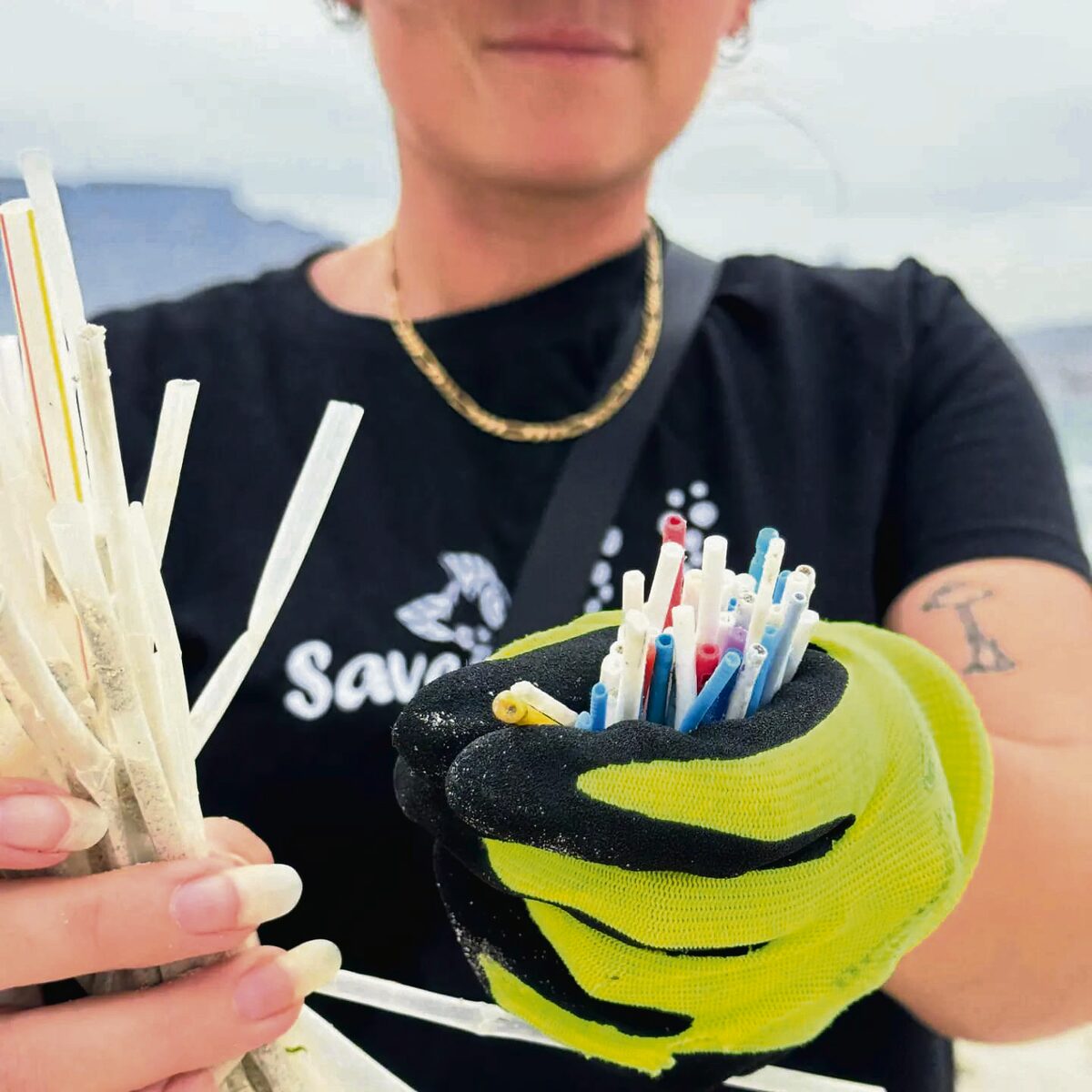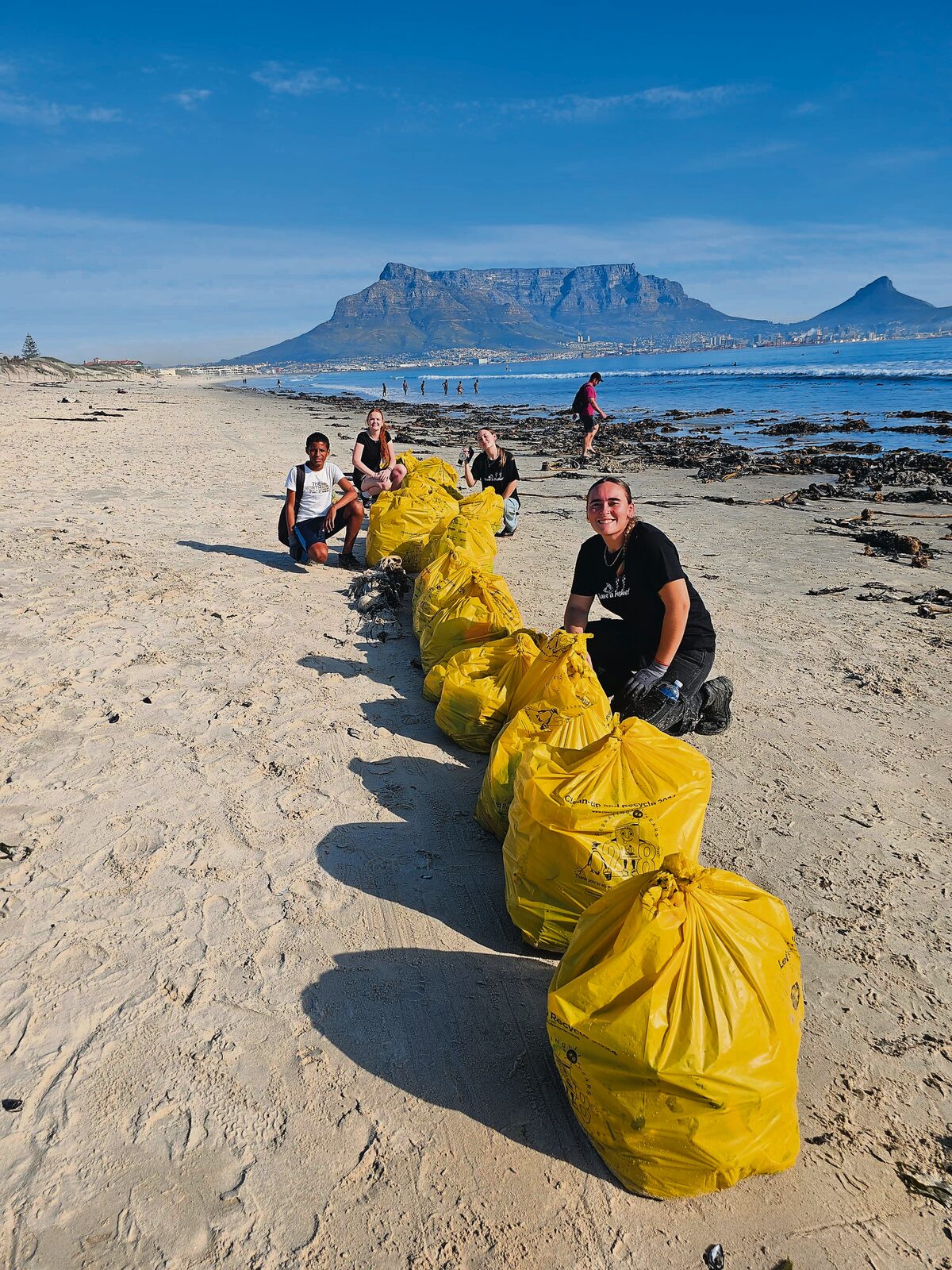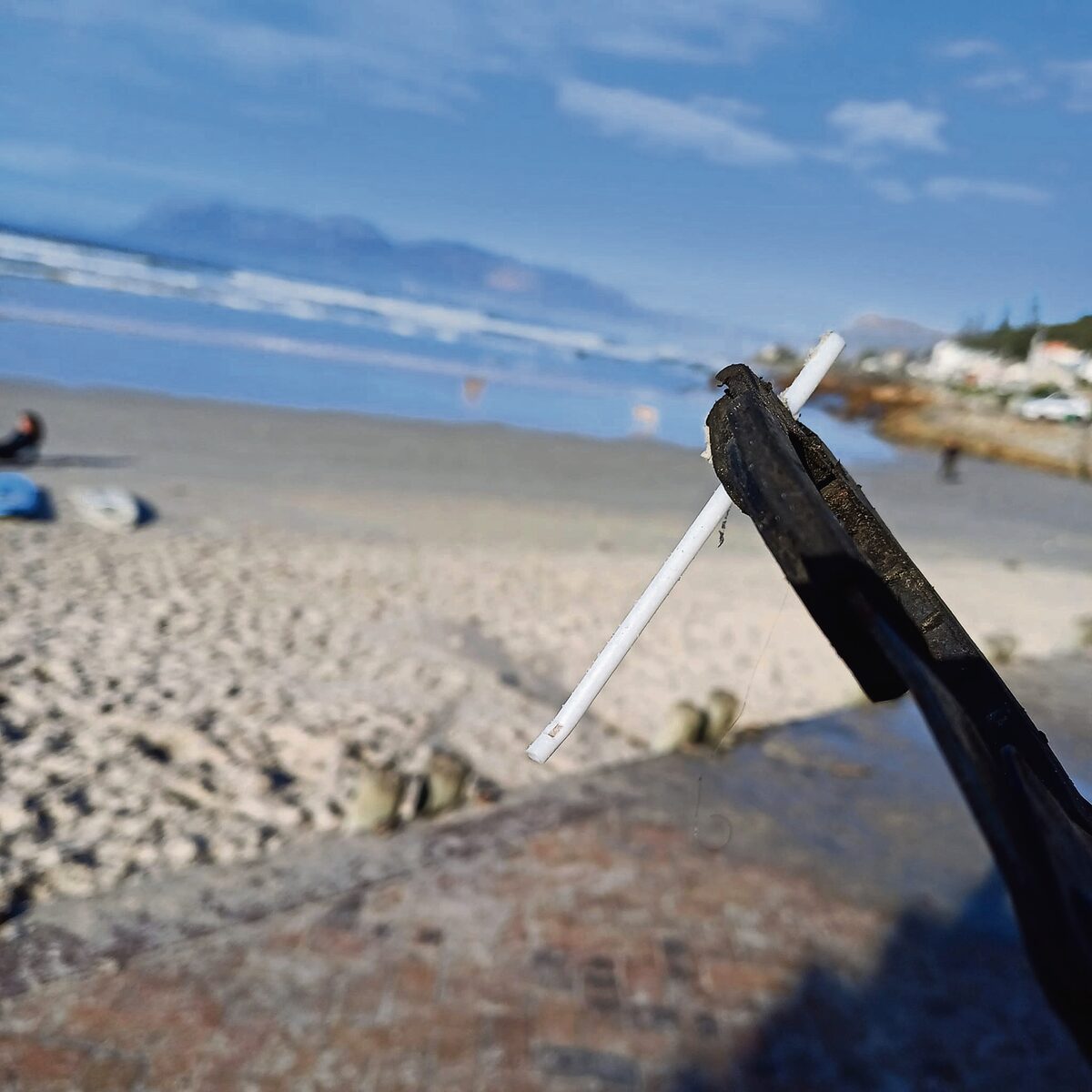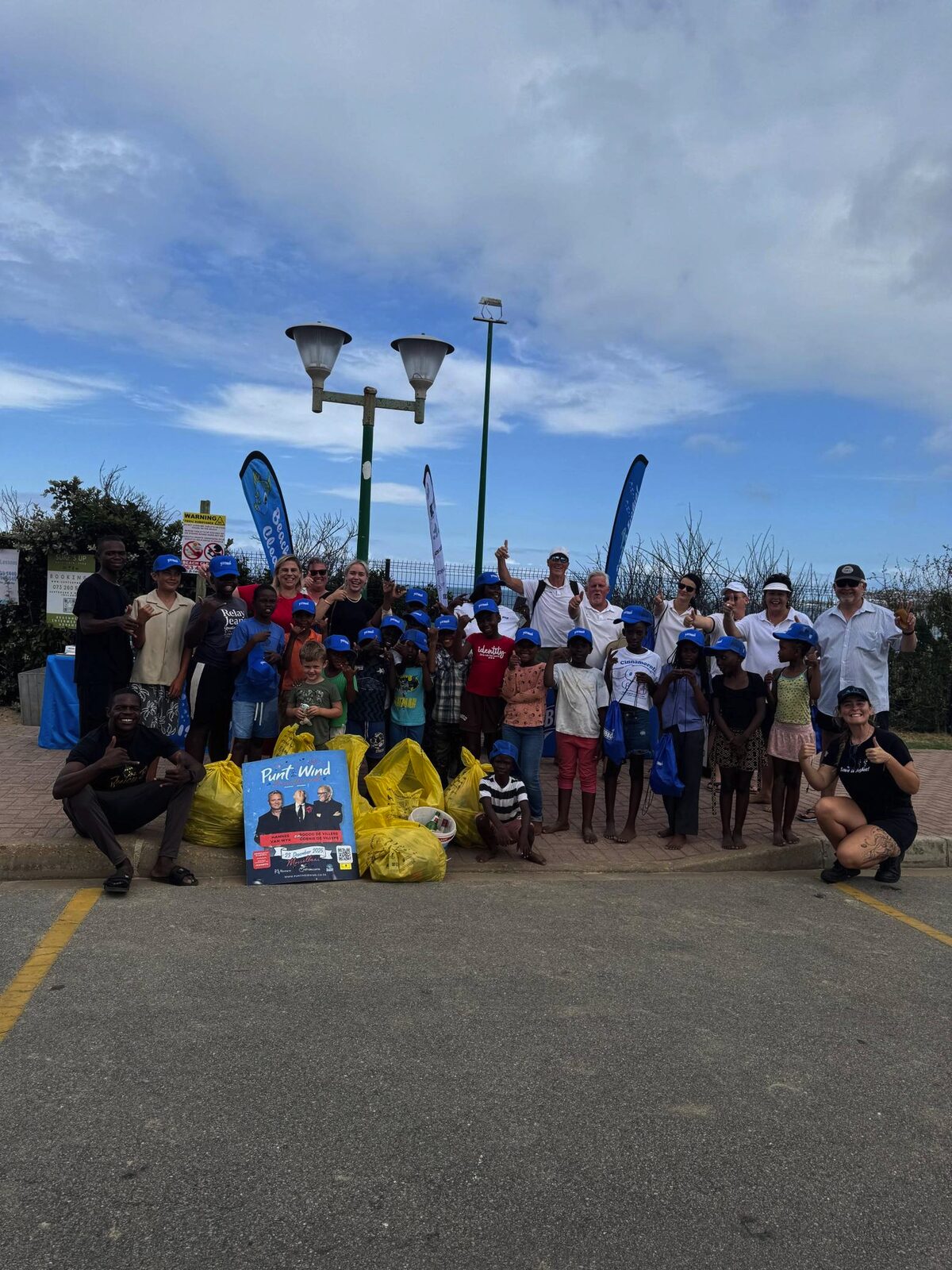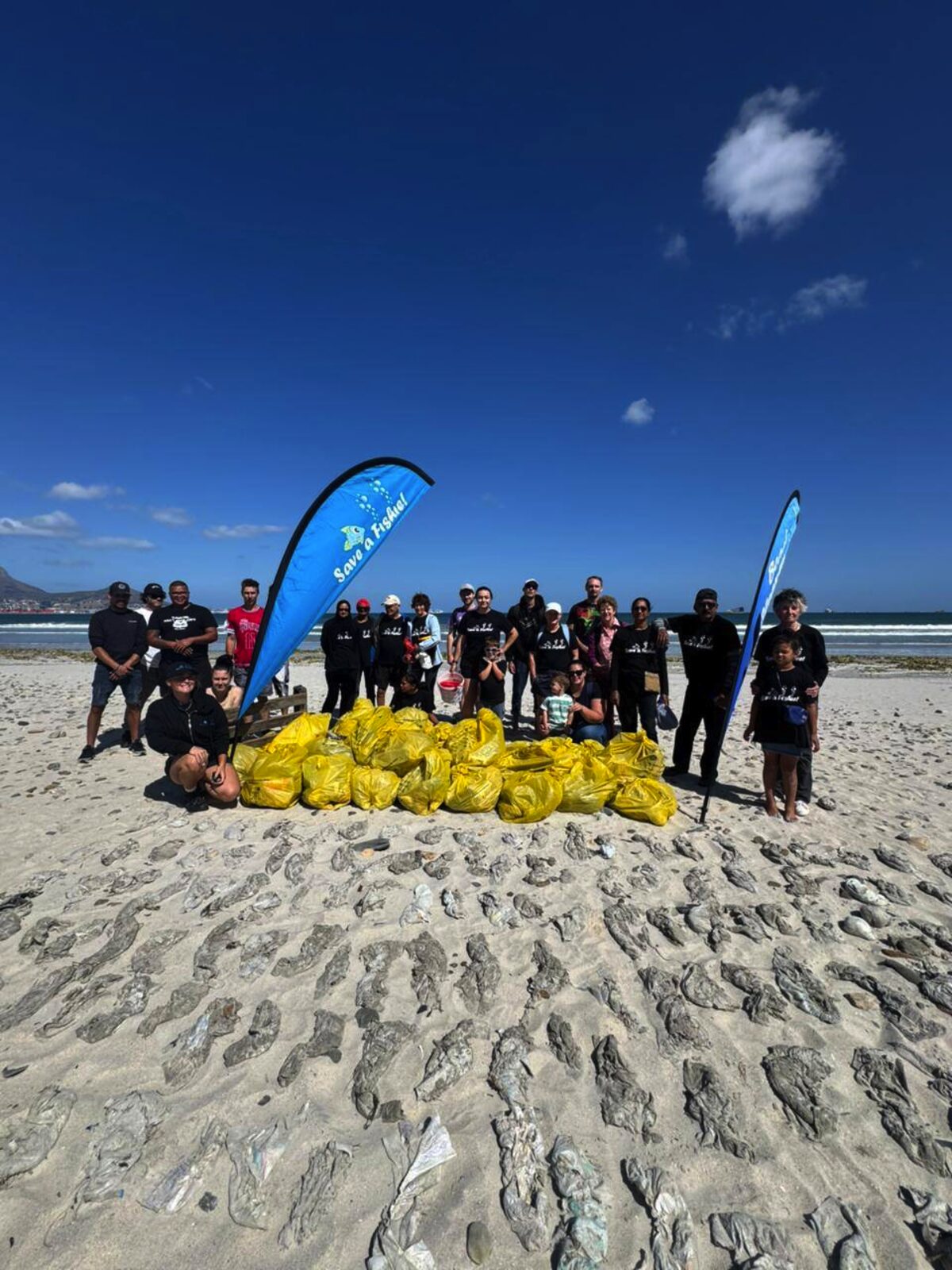


Environmentalist group, Save a Fishie is calling for a ban on plastic lollipop sticks after thousands were discovered over the past few months during beach clean-ups.
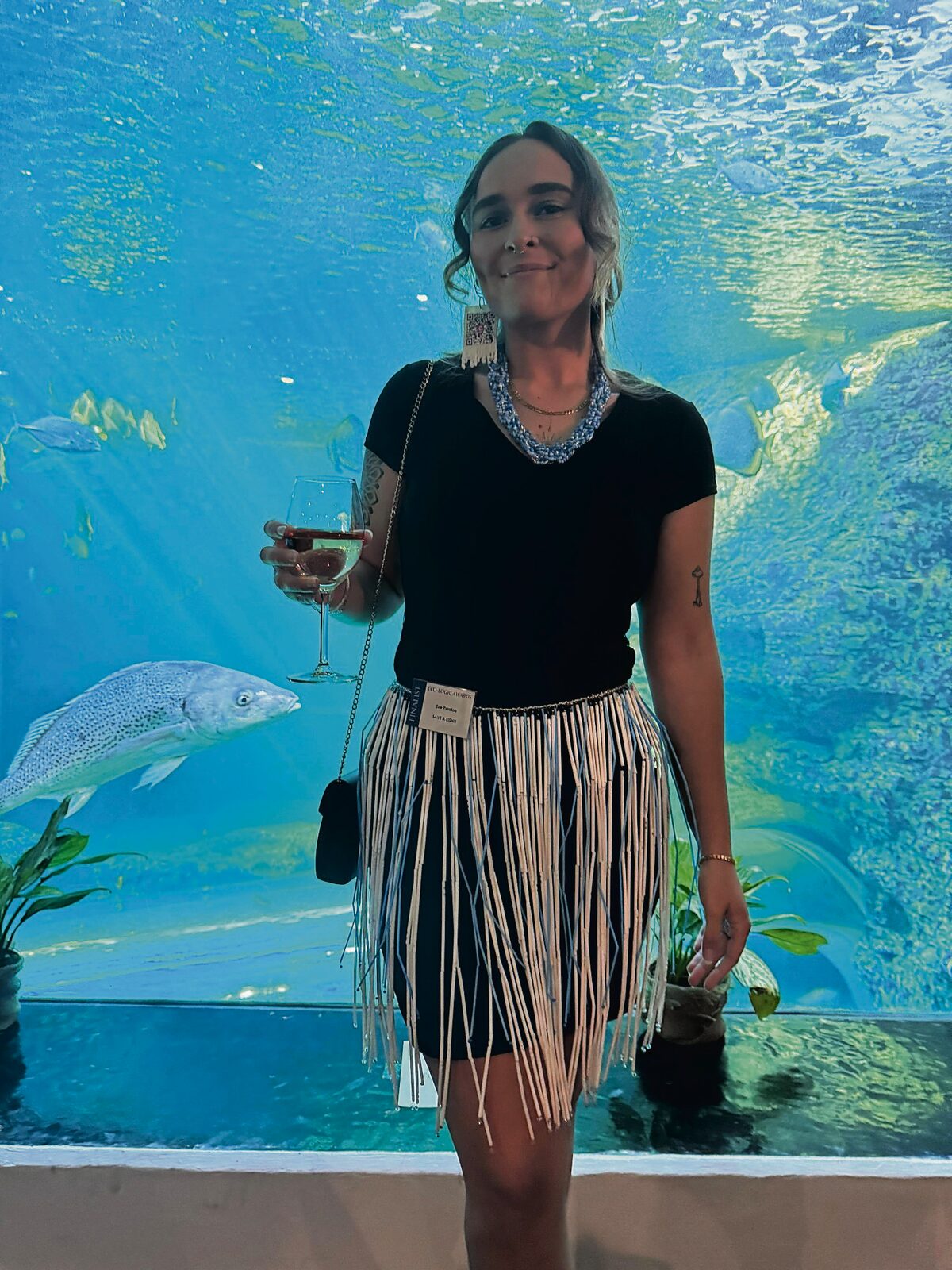
“Plastic pollution continues to plague Cape Town’s beaches, with one small yet persistent item now in the spotlight: plastic lollipop sticks,” says Zoë Prinsloo, founder of Save a Fishie.
Save a Fishie has launched a campaign demanding a ban on these products, citing their dangers to marine life, seabirds, and ecosystems.
Petition for change
Save a Fishie has launched a petition urging urgent action to ban plastic-stemmed lollipops in South Africa. The campaign emphasises that this small shift could mark a significant victory in reducing coastal pollution.
“This is one of the easiest environmental victories we can win,” Prinsloo stresses. “If we can’t ban plastic lollipop sticks—when safe alternatives are already available—how can we expect to address bigger plastic challenges?”
A familiar sight on local beaches
From Melkbosstrand and Bloubergstrand to Sunset Beach and Milnerton, residents and clean-up volunteers know the scene all too well: after heavy rains or storms, plastic debris litters the shoreline. Among bottle caps, polystyrene, and straws, lollipop sticks are a stubborn and recurring find.
Over the years, TygerBurger has reported extensively on how these items, flushed through stormwater drains and rivers, wash ashore in large numbers after winter downpours. While unsightly, the danger goes far deeper than appearance—posing real threats to ocean health.
“Plastic lollipop sticks are one of the most common items we collect during clean-ups,” says Prinsloo. “They don’t break down, they end up in the food chain, and they’re completely unnecessary because safer alternatives already exist.”
The hidden dangers of plastic sticks
These small plastic stems, often overlooked, are far from harmless, Prinsloo says. Rigid and sharp, they can injure or choke seabirds and marine animals. Over time, they fragment into microplastics that enter the food web, potentially affecting human health as well.
“Every stick we find is another reminder of how deep the plastic crisis has become,” Prinsloo says. “If we cannot phase out such a simple, replaceable product, then what hope do we have for tackling the larger plastic problem?”
Unlike many environmental challenges that require new innovations or major investment, this issue has an immediate fix: paper lollipop sticks. Widely available and just as effective for holding sweets, paper options are biodegradable and far less harmful.
“There is absolutely no reason for plastic sticks to still be on our shelves,” Prinsloo explains. “Paper sticks work perfectly, they’re affordable, and they don’t destroy the environment.”
Who needs to act?
Save a Fishie’s campaign identifies clear responsibilities for change:
- Manufacturers: Stop producing plastic-stemmed lollipops and commit to paper-based alternatives.
- Retailers: Remove plastic versions from shelves and offer only sustainable choices.
- Parents, Schools, and Youth Groups: Refuse to buy or distribute plastic-stemmed lollipops at events, fundraisers, or as treats.
- Government: Enforce legislation banning the manufacture and sale of plastic sticks, in line with global trends phasing out single-use plastics.
“Plastic pollution is choking our oceans. If we want to protect our beaches, wildlife, and future generations, we need to cut this problem off at the source,” Prinsloo says.
Lessons from local clean-ups
Beach cleanup groups often stress that the litter washing up after storms reflects what is flowing into rivers and stormwater systems daily. Once in the sea, these plastics circulate indefinitely.
“Every time it rains, we brace ourselves for the waste that will end up on our beaches,” Prinsloo noted.
TygerBurger has previously covered how these items, particularly around Sunset Beach and Bloubergstrand, overwhelm volunteers after storm surges—evidence of how entrenched the issue has become.
South Africa’s beaches are a source of pride, recreation, and tourism. They are also vital habitats for marine life. Campaigners argue that allowing unnecessary plastic to continue polluting these spaces undermines both environmental health and community well-being.
Go to https://chng.it/YFb6hgHgMT to sign the petition.