
“Close your eyes and try to read the sign; that is what exclusion feels like.”
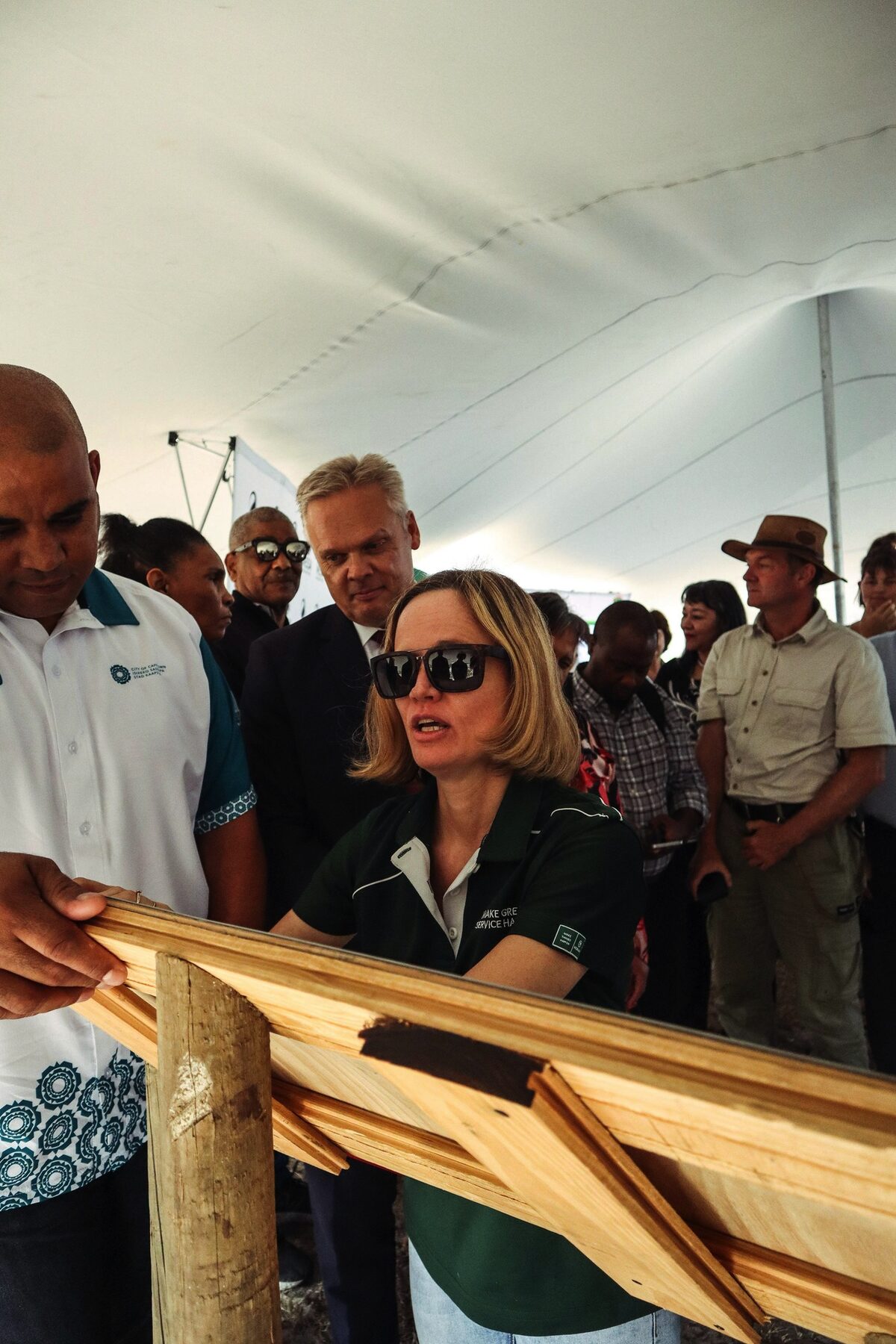
This was the message from Department of Forestry, Fisheries and the Environment (DFFE) Minister Willie Aucamp when he asked guests to close their eyes and try to read a sign, to show how blind and partially sighted people experience exclusion in daily life.
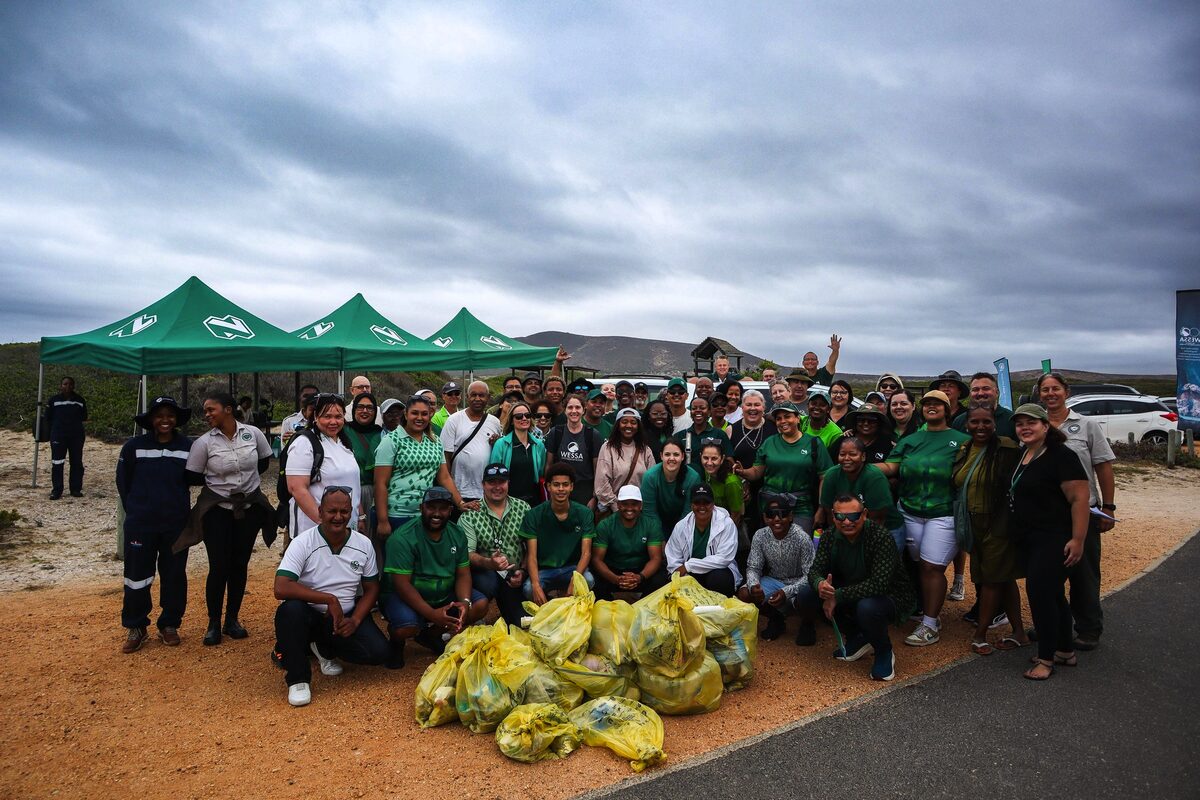
That demonstration connects directly to the launch of Braille interpretive signage at Blaauwberg Nature Reserve on Wednesday 11 February, delivered through a partnership between DFFE, Wildlife and Environment Society of South Africa (Wessa), the City of Cape Town, Blind SA, Nedbank and disability advocacy partners.
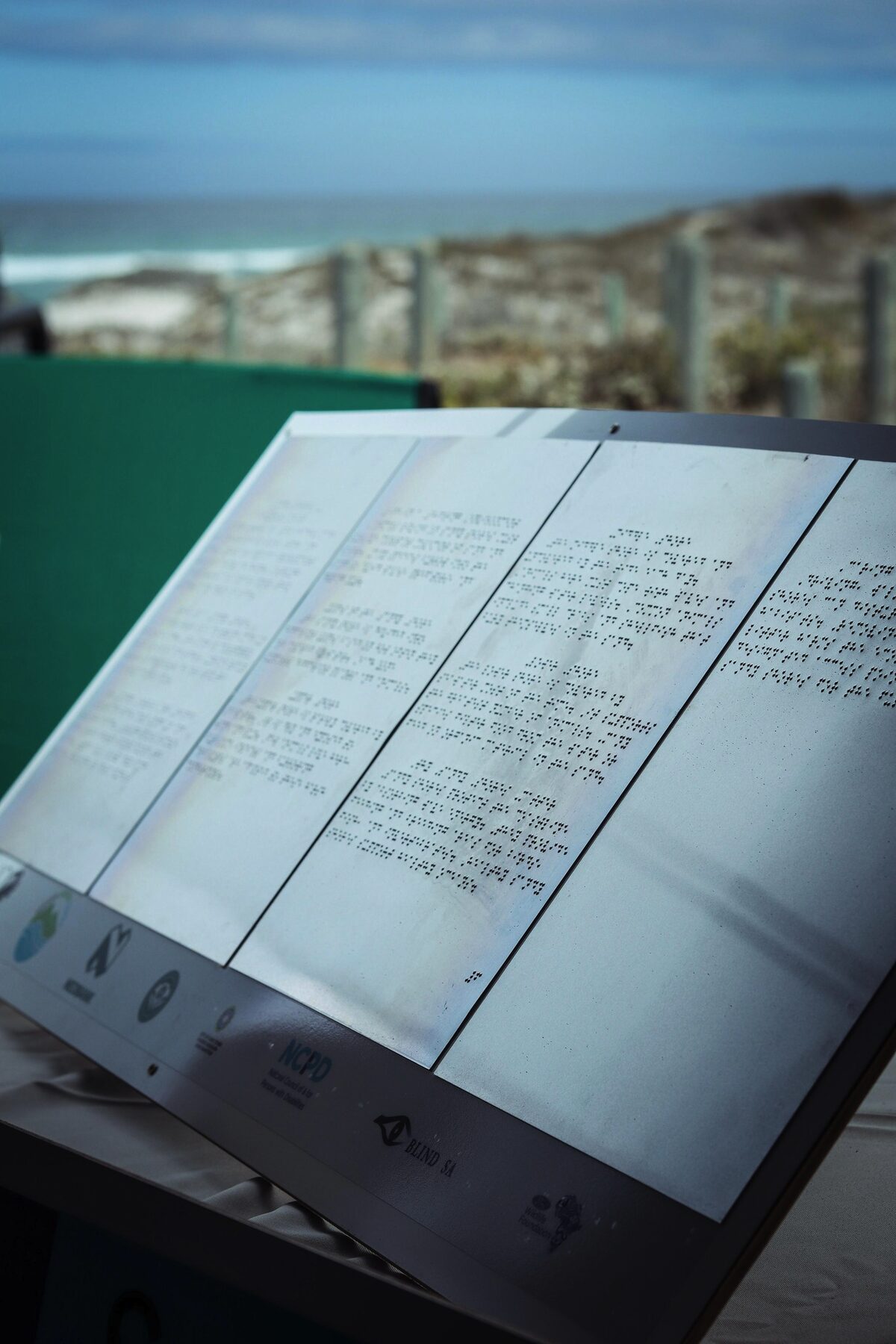
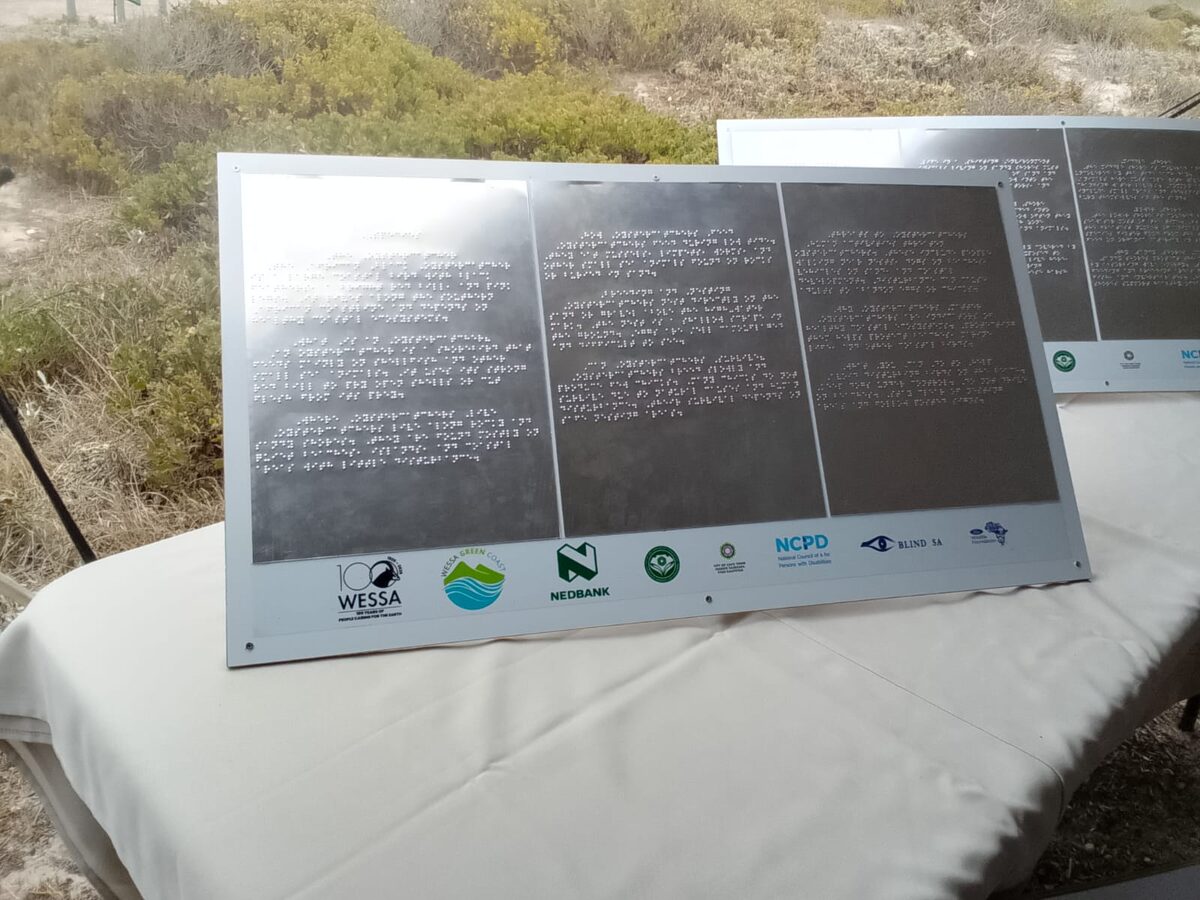
South Africa has taken a significant step towards inclusive coastal access with the unveiling of the country’s first Braille informational beach signage at Eerste Steen, Blaauwberg Nature Reserve. The project marks a major milestone in ensuring blind and partially-sighted visitors are able to engage meaningfully with South Africa’s coastal environments.
The tactile signage, featuring Braille, raised lettering and QR codes linked to audio descriptions, allows blind and partially sighted visitors to independently access information about the beach, its ecosystems and its heritage.
Making coastal spaces accessible to all
The Braille signage has been designed to provide visually-impaired visitors with access to important environmental information in a way that is both meaningful and dignified.
For many years coastal signage has largely catered to sighted visitors, limiting access to information about biodiversity, conservation rules, safety guidelines and the ecological importance of beach environments. The new signage aims to change that.
The initiative reflects a shared commitment to ensuring that South Africa’s natural heritage is accessible to all citizens, regardless of ability.
A collaborative effort
The project was spearheaded by Wessa as part of its broader Coastal Programme, which includes the internationally recognised Blue Flag and Green Coast initiatives.
Sponsored by Nedbank, the launch was hosted in collaboration with Wessa, Blind SA, the National Council of and for Persons with Disabilities (NCPD), and the City of Cape Town, with additional support from the Ford Wildlife Foundation.
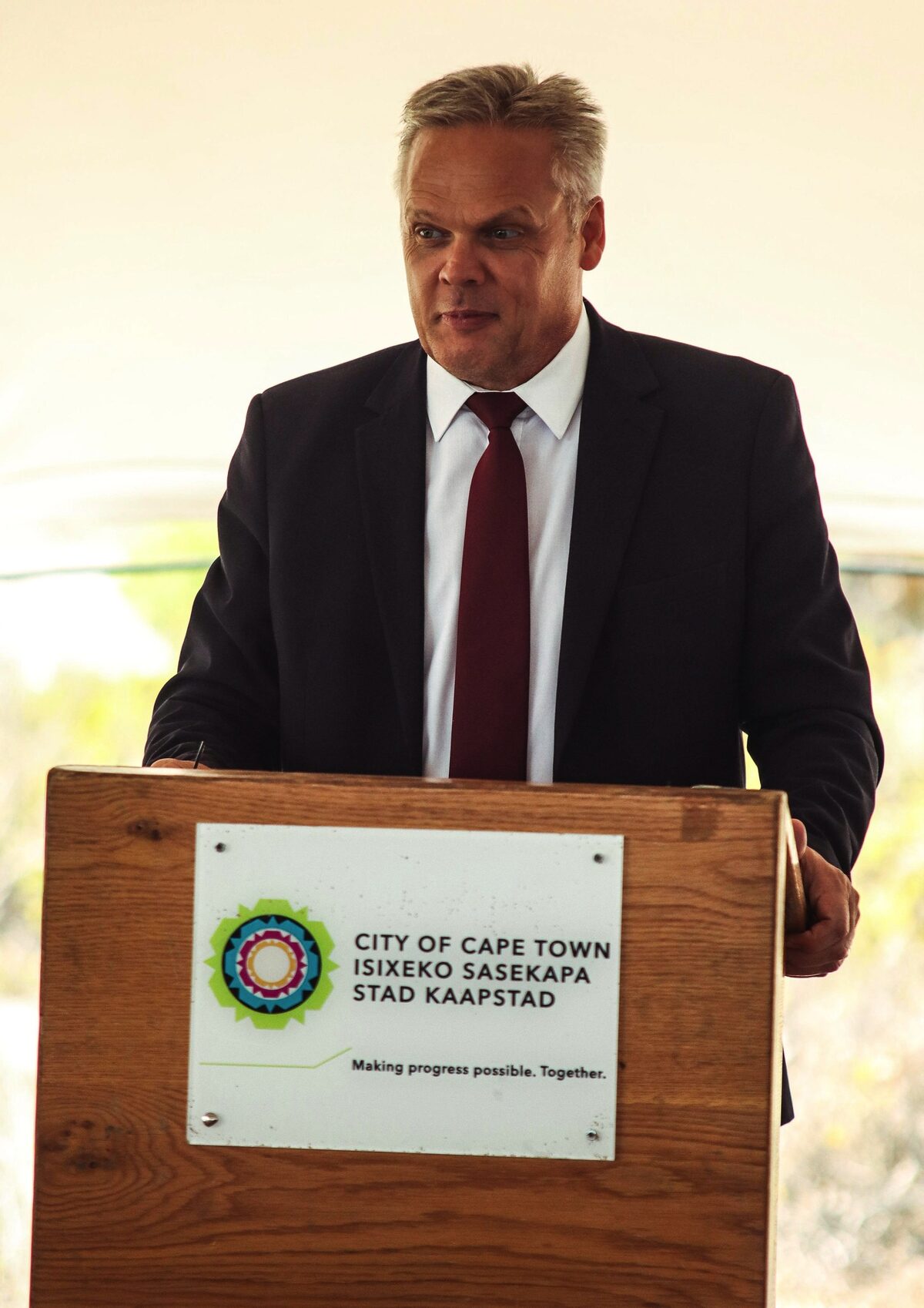
Speaking at the event, Aucamp emphasised the importance of inclusive environmental access, noting that conservation spaces must reflect the diversity of the communities they serve.
“This initiative opens our coastal spaces to more people and ensures environmental education and awareness are not limited by physical barriers.”
Aucamp announced the department was in the process of revitalising the national coastal signage.
“This revitalisation is about more than just fresh paint or new timber. It is about technological integration and, most importantly, it is about inclusivity. I want our department to take this project out to all our harbours. I want to be able to visit Mossel Bay and have all people have access to these spaces.
“I declare my department is absolutely ready to work with everyone to bring this to everyone. We are currently working on a Collaboration Framework that aligns our legislative mandate for integrated coastal management, to protect the coast, with Wessa’s century-long legacy of mobilising citizen action.
“The new content we are introducing is vibrant and engaging. We are telling the story of ‘Life on the Edge’. We are inviting the public – sighted and visually impaired alike – to meet the ‘Noisy Mother,’ the African Black Oystercatcher. We are teaching visitors how the White Sand Mussel ploughs through the wet sand, and how the Three-spot Swimming Crab navigates the turbulent surf.
“That is not only for people who can see or read. These stories create a connection, and connections foster care.”
Setting a precedent for the country
The unveiling at Blaauwberg Nature Reserve is expected to set a national precedent, encouraging similar inclusive infrastructure at coastal destinations across South Africa.
As part of Wessa’s broader vision, the integration of accessible signage aligns with efforts to promote environmental stewardship, education and sustainable tourism.
By introducing Braille informational signage at one of Cape Town’s most iconic coastal reserves, stakeholders hope to inspire wider adoption of accessibility measures at beaches and protected areas nationwide.
The launch signals not only a milestone for environmental accessibility but also a powerful reminder that South Africa’s beaches belong to everyone.