

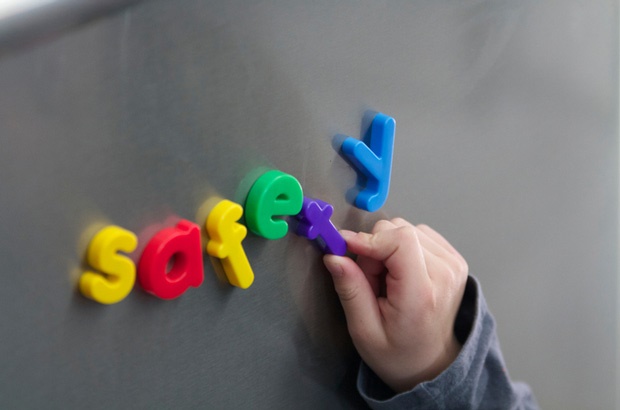
The Easter holidays are upon us and whether you are going away or staying at home, the safety of your children should take priority.
Metro police spokesperson, Ruth Solomons, gives the following safety tips:
Children
- Know your full name(s), your parents’ names, your address(es), and phone numbers.
- Tell your parents about things that make you feel scared, uncomfortable or sad.
- Know the difference between a good secret and a bad secret. A good secret is fun to keep, such as a surprise party. A bad secret feels bad to keep and makes you feel scared.
- Never tell strangers your name(s) or where you live.
- Use a buddy system and avoid walking or playing alone outside or in public places.
- Screaming and running are better than trying to hide. If a stranger approaches you, scream “no”!, run to where there are safe adults and tell an adult what happened.
- Keep a safe distance (approximately three arm’s length) from strangers and strangers’ cars, even if a stranger seems friendly. Run in the direction opposite to the direction in which the stranger’s car is travelling.
- Fight back. It is okay to scream and fight. Do anything to get the stranger to let go. Screaming is the most important thing you can do, especially screaming “No”! “Help”! or “Danger”! to get a safe adult’s attention.
- Keep all the doors and windows locked when you are at home alone.
- Answer the door by asking: “Who is it?” Never say that you are alone and never open the door when you are alone unless it is someone your parents told you to expect and to let him/her/them in.
- Never say on the phone that you are alone when a stranger calls. You can say, “Mom/Dad cannot come to the phone now. Can I take a message?”
Parents
- Children must know their full names, ages, telephone number(s) and address(es).
- Children must know how to contact you, the police or another close relative in an emergency.
- When children are alone at home, they should tell people who phone that they are there, but that they are busy and cannot come to the phone. The person who is phoning can phone back later. Teach your child to end any telephone calls with strangers immediately and hang up the telephone if he/she continues to talk.
- When children are at home alone, they should find out the identity of the person who comes to the door without opening the door. If a stranger is at the door, teach your children to tell the stranger that you are busy and that he/she should go away and come back later. Teach your child not to engage in conversation with the visitor.
On the road
Sarah Kekana, Netcare 911 spokesperson, She urges those who can to avoid travelling on peak traffic days, which this year fall on Friday 29 March and Monday 1 April.
“These are often high-incident days on the road due to traffic congestion. Plan your route in advance and take note of any alternate routes you could utilise in case of any unexpected delays,” she says.
She says it’s important to ensure your car is ready and roadworthy before your trip.