
The state of South Africa’s roads is appalling.
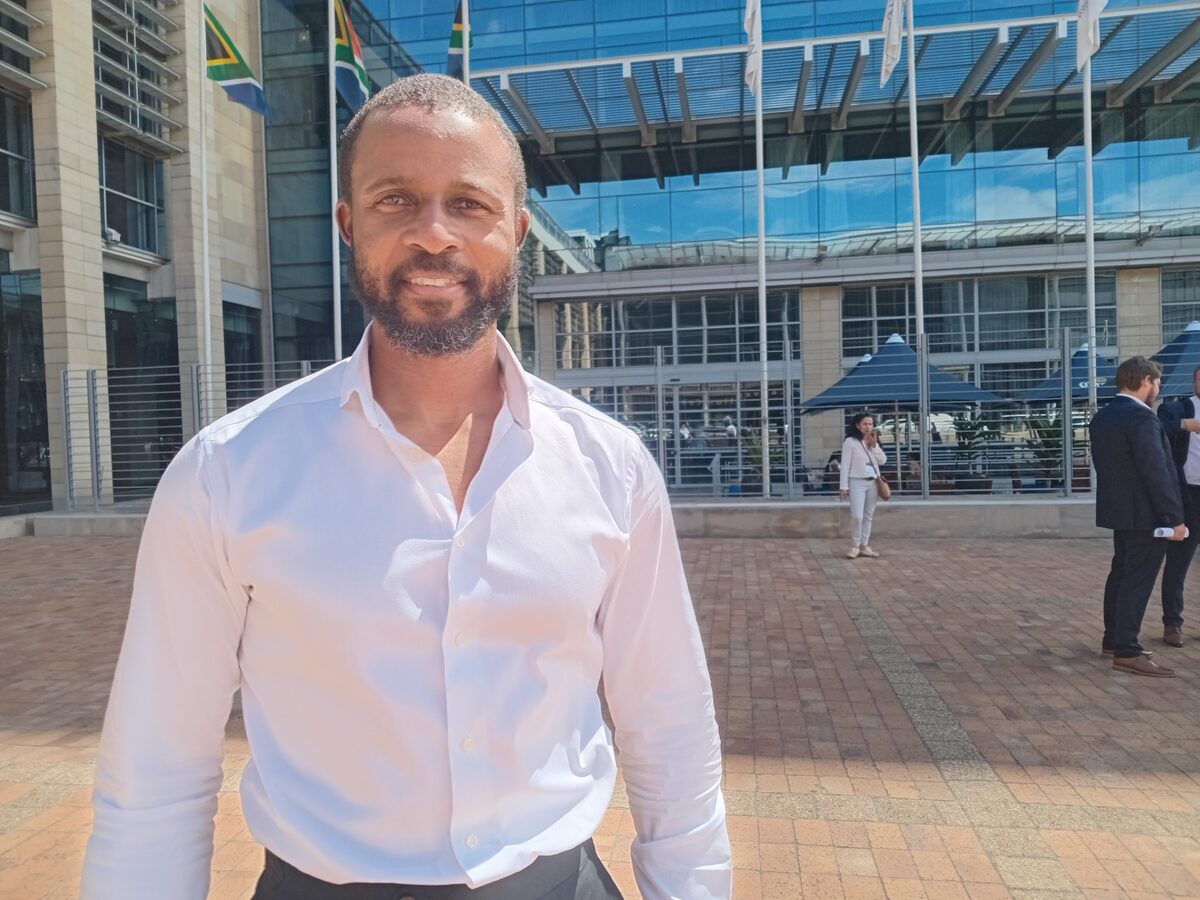
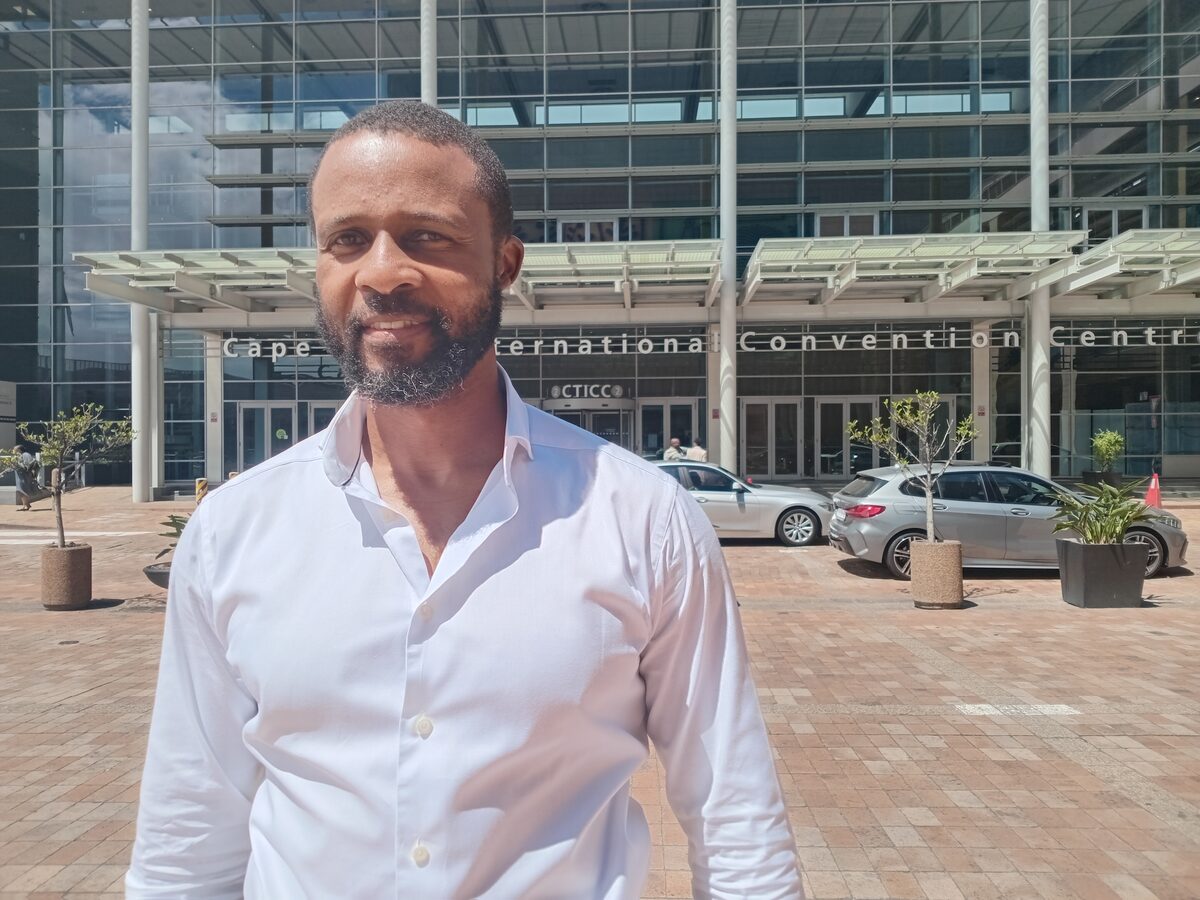
This is the unequivocal verdict of Bobby Ramagwede, chief executive of the Automobile Association (AA) of South Africa, who was discussing several vehicle-related matters, such as the proliferation of vehicles, their roadworthiness, safety on the roads, aside from their condition of course.
At the helm of the organisation since October 2024, he said the roads, nationally and regionally, needed much work, although the Western Cape’s roads far exceeded those of other parts of the country in terms of quality.
Heavy vehicles
Ramagwede pointed out that poor road conditions were experienced internationally, due largely to the presence of heavy vehicles and the economy’s over-reliance on trucks, which are crippling the road networks.
He decried the fact that there was no active road-maintenance programme; instead there was an ongoing practice of patching potholes. “Patching potholes is not a maintenance programme; a maintenance programme is one in which the condition of the road is continuously assessed.
“We must ask ourselves whether or not this road is going to be fit for use tomorrow, a year from now, five years from now, and if the answer in any of these assessments is no, then one strips the road and rebuilds it, to the extent that it needs to be rebuilt from base laying.
“What we also need to appreciate – and this is my call to the engineers – is that when roads were first built they were built for an average vehicle weight of less than a ton. Today the average vehicle weighs more than a ton.
“In addition to that, we have more trucks on the road. So, when we keep topping up potholes we actually need to ask ourselves whom we have built these roads for, and whom we are trying to solve road conditions for.”
Ramagwede said roads should be built or adjusted for heavier vehicles. “If we are going to continue relying on road networks as a principal means of ferrying goods and people, then we need to build roads with stronger base layers, better drainage and more consideration for the type of traffic we are experiencing.
“We will not get trucks off the road if the state is reliant on that very generous and very aggressive fuel levy that increases year on year.”
Imports
The influx of Chinese-manufactured vehicles also plays a role, Ramagwede said.
“I am not saying it is directly related, but it speaks to more people having access to cars, so the roads take an even greater beating. But the headline fix for the state of roads is we need proper maintenance programmes. Once one has a maintenance schedule in place the general condition of roads will improve. Take the Western Cape, for instance; not every road is perfect, but most roads are in a great state.”
He said municipalities should be able to work together, borrow from one another to help improve the conditions of the roads. “I was on a cycle tour coming from George down to Gqeberha recently and it was an absolute pleasure. When we entered the Eastern Cape I could feel it. The first thing that came to mind – and I am doing this on my bicycle – was all they had to do was follow a simple maintenance schedule.
“In a country where we have an example of it working I find it interesting that municipalities do not borrow from one another. It is as simple as ‘Hey, Western Cape, send me your schedule, show me the materials you use and teach us the methods you use to keep these roads in a good nick.’”
Roads
Ramagwede said Gauteng, the Free State and the Eastern Cape probably had the worst roads among the provinces. “They are on dire need of a road network overhaul, not even repairs. The worst driver behaviour is undoubtedly Gauteng. Bad behaviour combined with bad infrastructure is not a recipe.”
READ ALSO: AA chief exec responds to fuel price hike, with petrol and diesel set to spike