

A group of residents want a final solution to the problems at Rosendal Dam and are willing to make this happen, even if they do a lot of the work themselves.
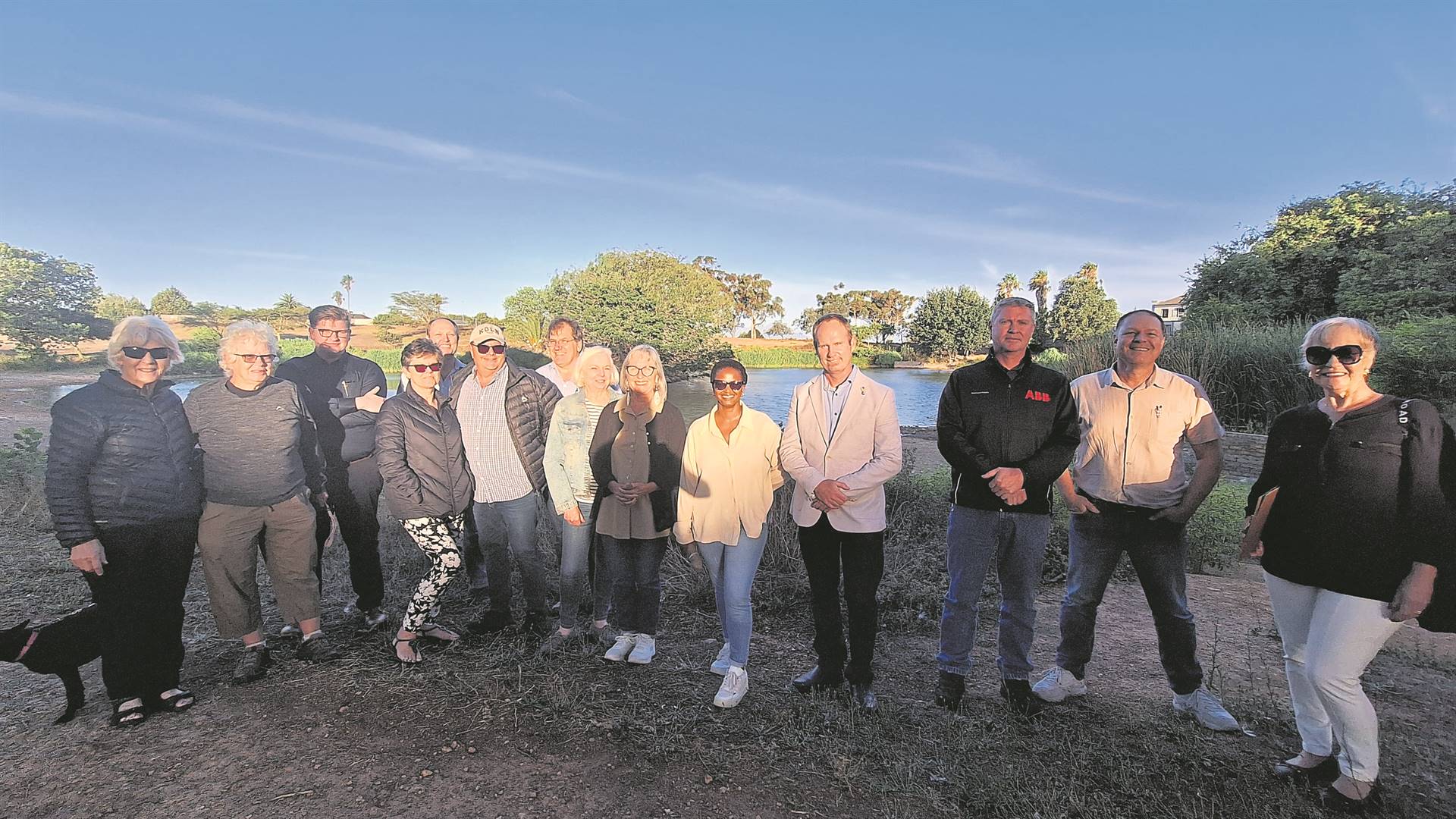
This was evident at a meeting held between the City of Cape Town and residents at the dam last week.
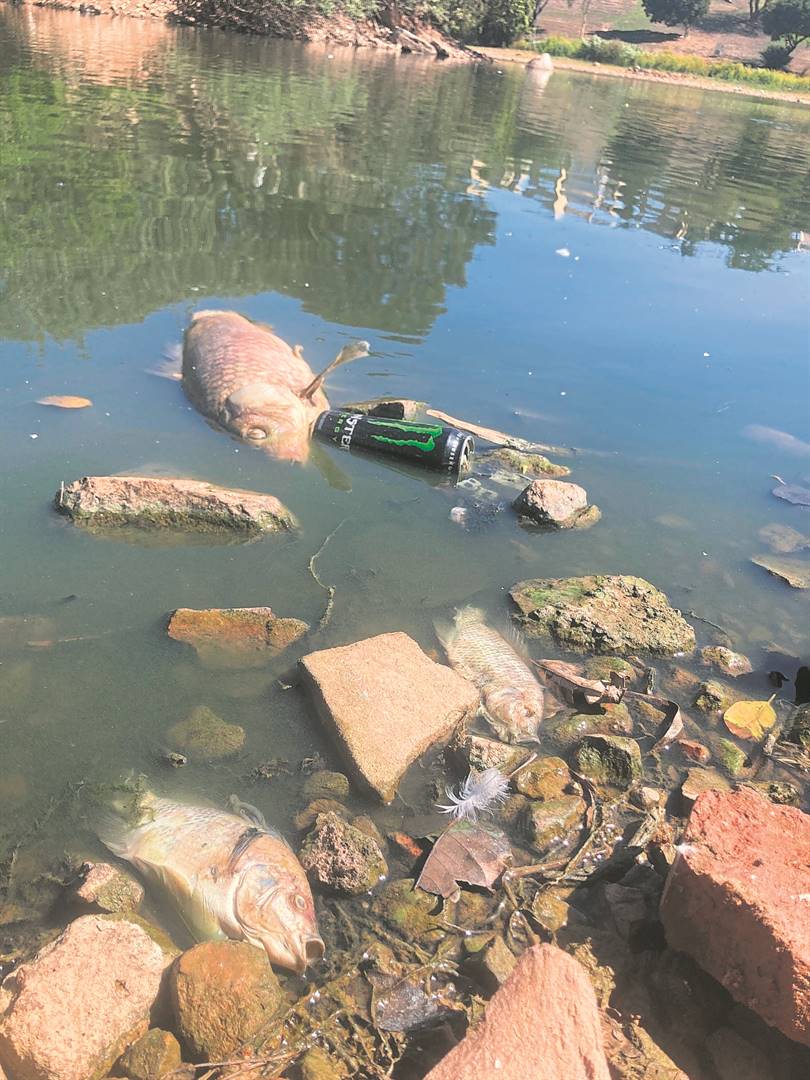
Last week, TygerBurger reported that dead fish washed ashore the dam en masse over the past few weeks (“Dead fish shock Durbanville residents, walkers,” 3 April).
The faint stench of their decay still hung over the meeting where around 30 people gathered to talk to City officials and local councillor, Hendri Terblanche.
History
Willem Myburgh from the recreation and parks department opened the meeting by explaining the history of the dam’s existence: years ago, when the area was being developed, there was a brick and clay factory. The developer initially wanted to start a driving range, but residents shot down this idea and wanted to create a bird park instead, similar to the one at Sonstraal Dam.
Another resident said Willie van Schoor was the mayor and councillor at the time an started many of the hiking trails around the dam.
The dam, which is man-made, was created, but has been plagued by numerous problems over the years, including a broken pump, wall and an influx of invasive fish and troublesome birds.
These problems have all contributed to the fish dying due to a lack of oxygen in the water. This issue is one that repeats itself every year, with either fish dying or birds leaving the dam.
Ecological problems
Ecologically the dam has changed a lot over the years. The fish, Smallmouth Bass and Common Carp, are both invasive and eat other local species that could thrive, like certain frogs.
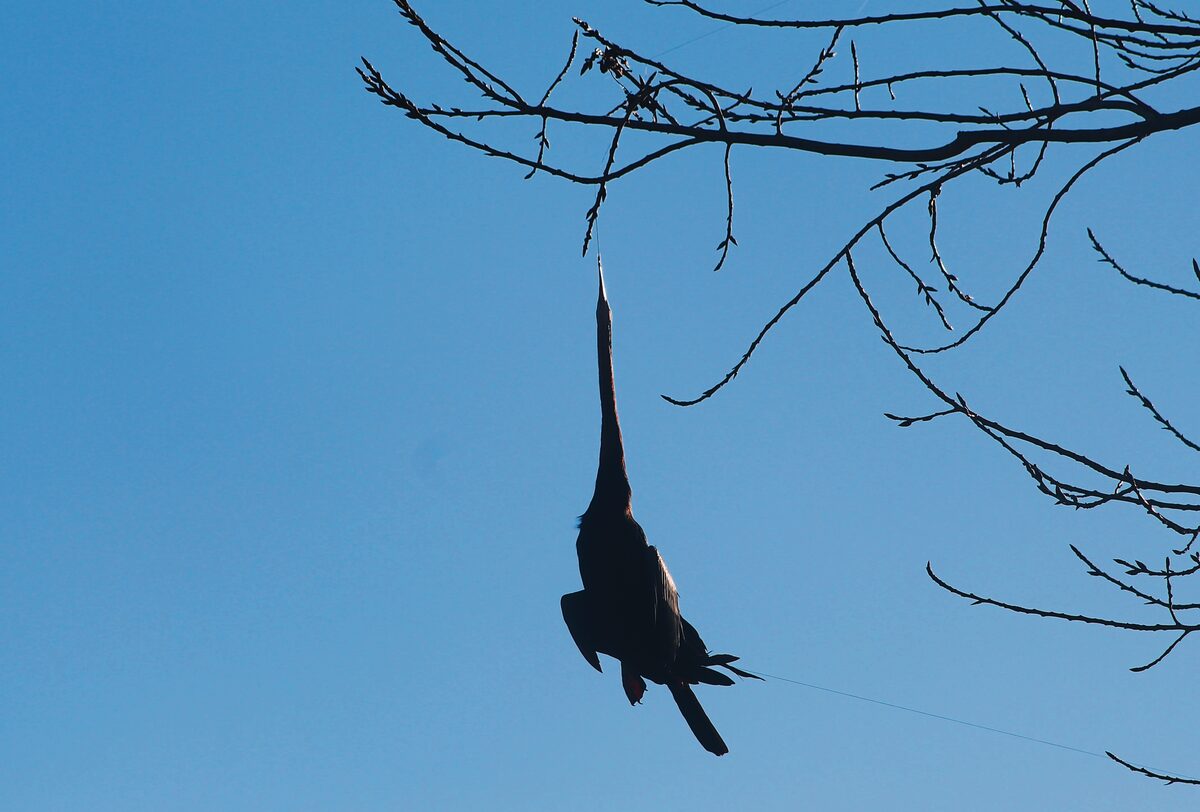
The more than 40 birds at the dam are also problematic, adding to the high nutrient levels and low oxygen levels of the water.
Sihle Jonas, the City’s ecological coordinator, explained that only the Egyptian Geese can currently be relocated as they’re the only invasives.
Other problems include the trees, many that are alien and the potential for dust.
Anel Botha and Dalena Theron, from the Wildflower Stepping Stones Project (WSSP), were also present at the meeting. Botha is also part of the Tygerberg Wetlands Association. Both said the whole area would thrive if all the invasives were taken out. Ecologically speaking, turning the dam into a wetland would also be advantageous.
Theron, from Kenridge, explained they are experiencing the same problems at Kenridge Dam and residents are taking the issue into their own hands. They have set up a proposal of how the dam can be restored in an ecologically sustainable way that pleases the most people and will be working with the City to achieve this. She showed some of these ideas at the meeting.
Like Kenridge Dam, the area around the Rosendal Dam is the intersection of two of critically rare vegetation types – Swartland Shale Renosterveld and Cape Flats Sand Fynbos.
By investigating and investing in the ecology of the area, two near-extinct species of fynbos have already been found at Kenridge, with the possibility of the same being found in the area surrounding Rosendal Dam.
Commitment
Even though many meeting attendees demanded the City commit to numerous maintenance fixes to the problem, like keeping the borehole working and removing stones from shafts, it transpired that a more sustainable answer is needed to solve the problem in the long term.
Myburgh committed to the removal of invasives and the pruning of trees, which he said is already underway.
He only represents one department and many of the problems people raised are problems dealt with by other divisions within the City.
When asked what the City’s long term plans for the dam are, Myburgh said they don’t have any, after which a resident replied: “Great, then we can make one.”
Residents then pitched ideas of how the dam could be fixed: including draining it and scraping the sediment out. Others suggested removing the dam and creating a wetland.
In the end, the group decided to put their heads together to get a sustainable solution, with representatives of the Rosendal Owners’ Association (ROA) saying they will be looking into the possibility of starting a “Friends of Rosendal Dam” group, wherein all those interested will be able to talk about plans to solve the problem.