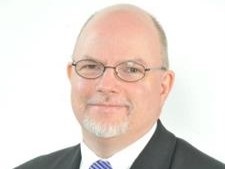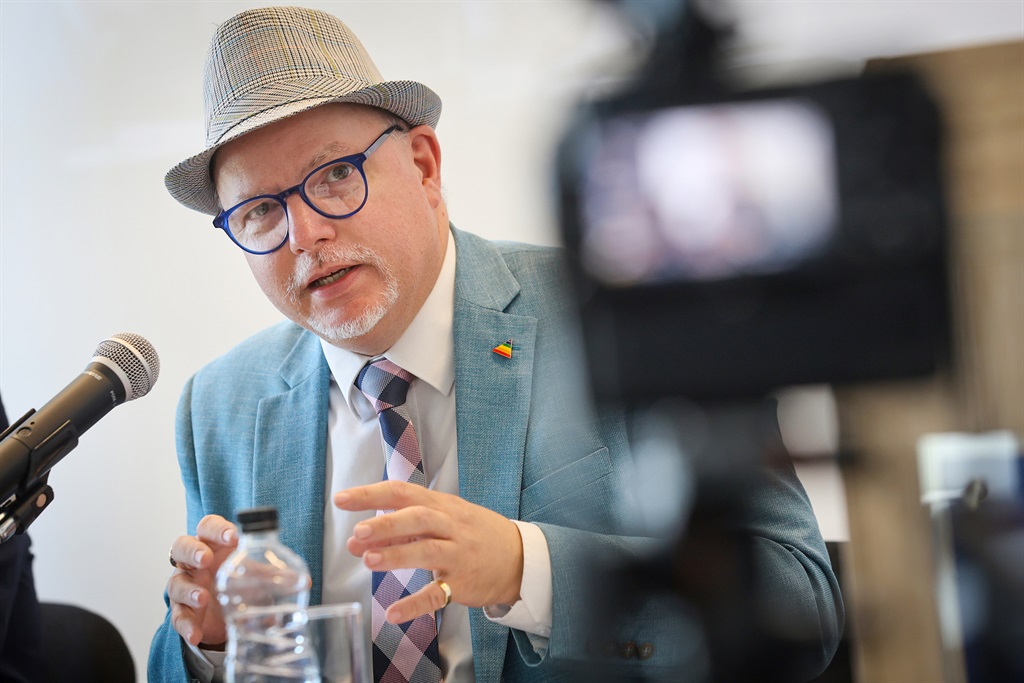

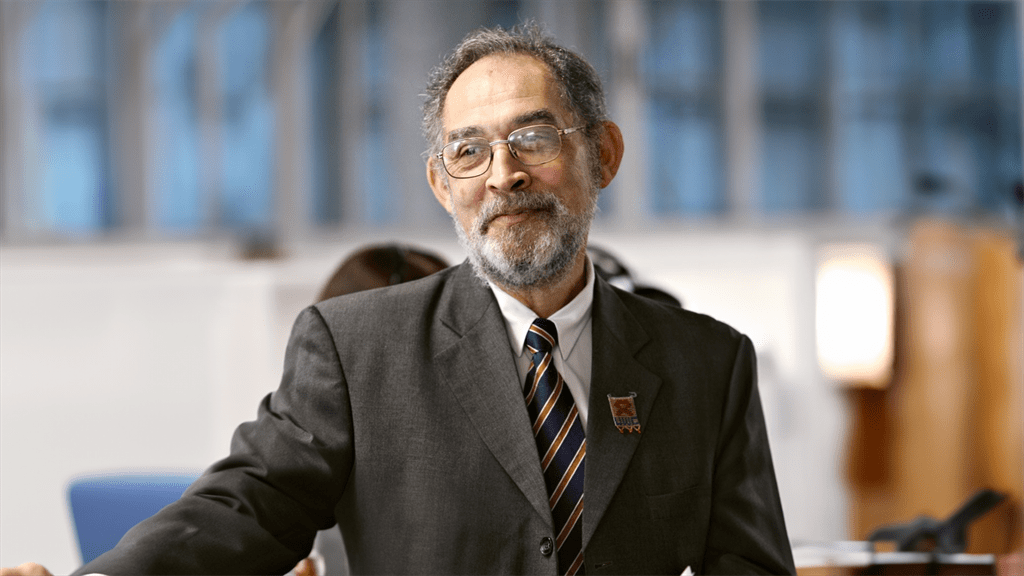
- Professor Brian O’Connell, former Rector and Vice-Chancellor of the University of the Western Cape (UWC), has passed away, leaving behind a legacy of passionate conviction, intellectual clarity, and engaged leadership.
- During his tenure from 2001 to 2014, O’Connell navigated the university through challenging times, resisting a potential merger and leading the process of recapitalization, which retained UWC’s autonomous identity and status.
- O’Connell’s leadership focused on improving UWC’s academic standing, building a distinctive research profile, and engaging with societal challenges, earning him several honorary doctorates and recognition for his contribution to the global tertiary institution sector.
The University of the Western Cape (UWC) is mourning the
loss of its former Rector and Vice-Chancellor Professor Brian O’Connell, whom
some would consider the saviour who ultimately sealed the university’s thriving
fate.
Serving as Rector from 2001 to 2014, he left a lasting
legacy on the institution, later leading a life of retirement in Welgemoed.
“The UWC flag [was] flown at half-mast this week in honour
and remembrance of our beloved former rector,” announced Professor Tyrone
Pretorius, the university’s sitting Rector and Vice-Chancellor on Monday 26
August.
Resisting the merger
O’Connell will forever be remembered as the Rector who,
during his tenure, navigated the university through challenging times,
including financial vulnerability, staff retrenchments and a potential merger
with the erstwhile Peninsula Technikon.
He resisted the merger, arguing that UWC’s commitment to
providing an intellectual home for working-class students should not be
penalised due to decades of underfunding by the apartheid state.
Understandably, the report was met with huge resistance from
the broad UWC community.
O’Connell led the process to resist the merger
recommendation, calling for sacrifices to address the financial realities.
Voice clips from the archives still echo the late Rector’s
voice, revisiting his leadership role in the wake of that battle.
“In that meeting people started jumping up and saying ‘we
don’t trust government, we don’t trust governments, we must go to the deck, we
must go and show government what we will do if they merge us’,” he recalled in
one clip. “And I said that it’s exactly the worst thing that you can do.
“We now have engaged with government, we’ve given them a
picture of this university during the struggle and now [the university is]
ready for this new struggle. And if I lose the history of this institution it
will die.
“So we must take that history and tell government our
history was fought, well-fought. We were considered a seat of opposition as a
university and we took on that challenge and now we want to use that brand, the
UWC brand, we want to use it for another purpose, the purpose is the academic
purpose.”
Regained autonomy
Under O’Connell’s leadership UWC retained its autonomous
identity and status, and he led the process of recapitalisation.
In his personal rebranding and clean-up of the UWC campus he
embodied the ideal for students to find expression of their identity. One to be
instilled in students as upholding pride and integrity for their very own
institution.
“It is disrespectful to just throw the paper on the ground
and walk on it. You’re not respecting the institution, not respecting yourself
because you then are prepared to live in a place with it,” O’Connell
reminisced.
“So what did I do? I started walking around, around this
campus, day after day, picking up papers. But it had a purpose . . . It wasn’t just a
whim, you know, it was a purpose to show them that this is their space, this is
their love for this space.”
Premier site producing knowledge
As an alumni of UWC, having studied at the institution in
the mid-1960s, O’Connell emphasised the importance of using UWC’s distinctive
academic role to rebuild the institution as an inspirational community of hope,
a premier site of knowledge production, and a catalyst for change.
“This had begun in the era of his predecessor, Professor
Jakes Gerwel, and O’Connell continued this approach,” added Pretorius.
This led to the construction of several new buildings,
including the state-of-the-art Life Sciences Building.
During his term, O’Connell focused on improving UWC’s
academic standing and building a distinctive research profile, particularly in
areas neglected under apartheid.
He also characterised UWC as an “engaged university”,
actively engaging with the complex challenges facing society.
Conviction, clarity and leadership
O’Connell’s legacy is one of passionate conviction,
intellectual clarity, and engaged leadership. He received several honorary
doctorates and was bestowed the title Commander of the Order of Leopold II from
the Belgian government for his contribution to the global tertiary institution
sector.
Pretorius continued to detail O’Connell’s term as Rector and
Vice-Chancellor, which came to an end in December 2014, “but it was always a
pleasure to welcome him back on our campus.
“Even in his later years, despite facing health challenges,
UWC remained close to his heart, a place where he found joy and inspiration, a
place that he shaped into what it is today. His belief in UWC and his
unwavering commitment to its mission have left an indelible mark on all of us.
“We extend our deepest condolences to his beloved wife,
Judith, and his children Amanda-Leigh and Bryan, who shared in his remarkable
journey.
“Thank you for sharing your husband and father with us,”
Pretorius concluded.