

Vanessa Samuel-Chetty was 6 years old when her father’s best friend raped her for the first time.
The man, who lived nearby in her carefree, fenceless neighbourhood in KwaZulu-Natal, threatened to harm her father if she told anyone.
“My dad was the epicentre of my world. My world revolved around him. So I never told anybody for the fear of losing my dad.”
The rapes continued until she was 11, when the community eventually drove the man from the area.
“And I thought that the nightmare had gone because he was gone. But actually, the nightmare begins when you acknowledge what has happened to you.”
National Dialogue
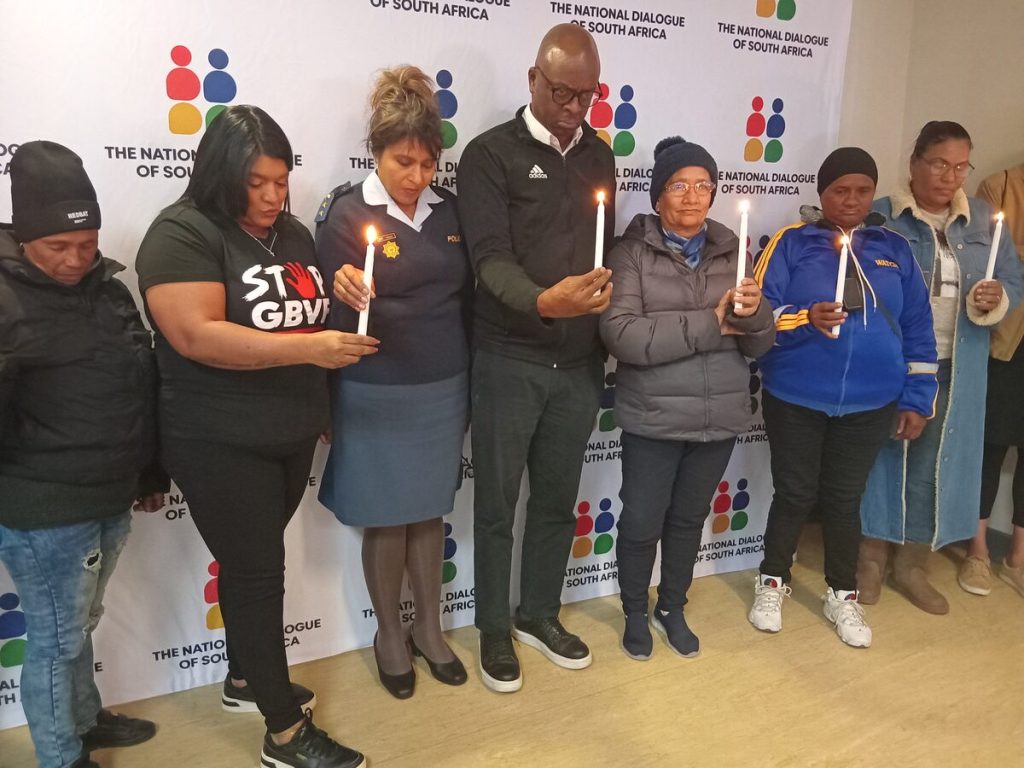
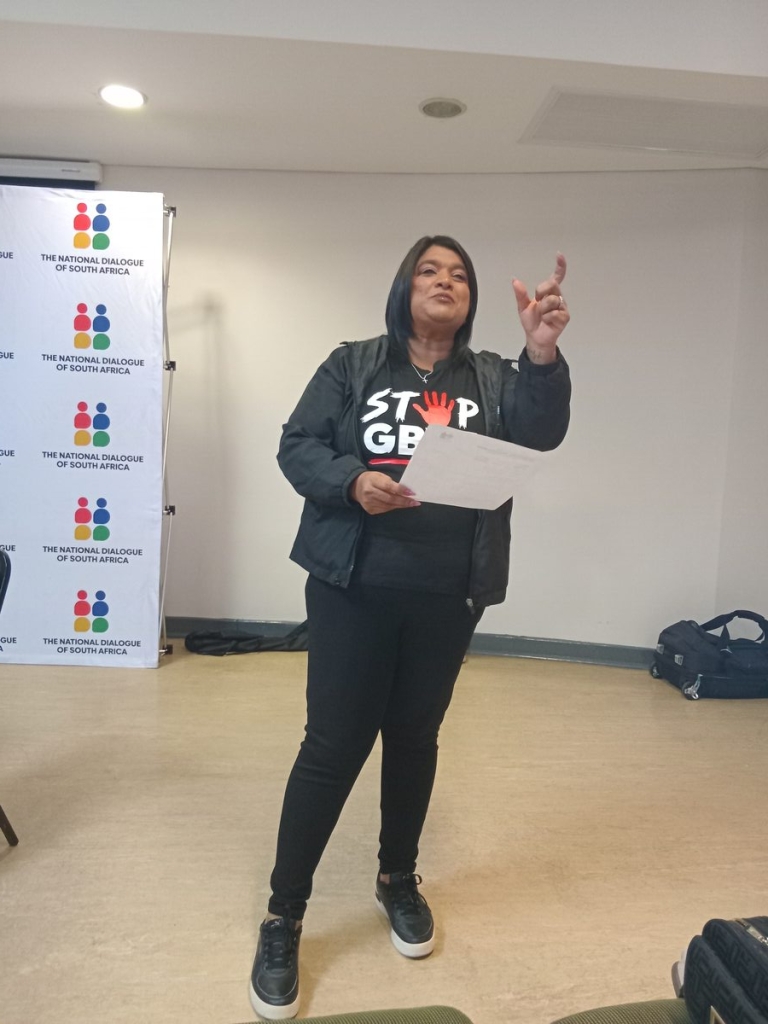
Samuel-Chetty is the gender-based violence and femicide (GBVF) sector leader for the National Dialogue, a citizen-led, non-partisan and inclusive process where South Africans can speak openly about the country’s challenges.
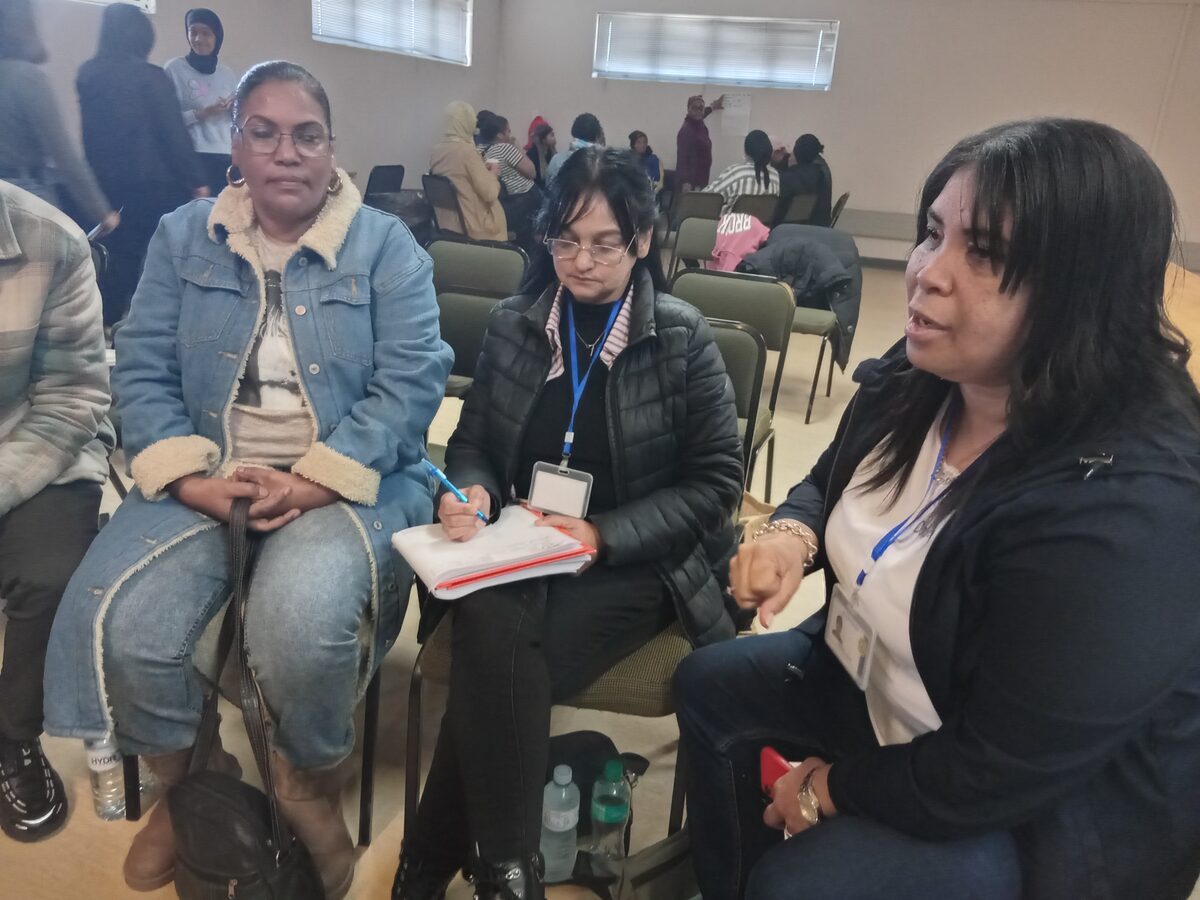
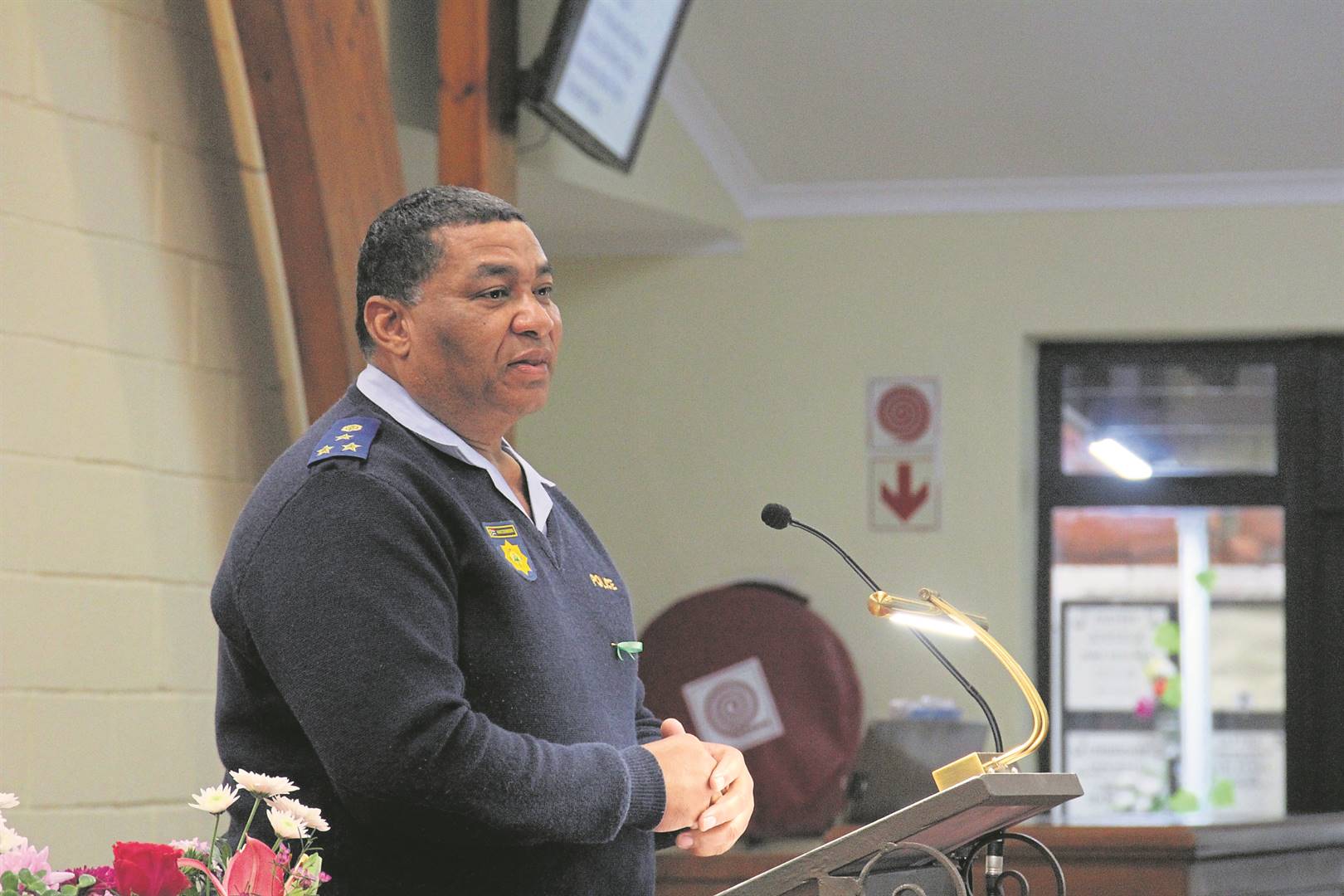
She has worked in community service for 40 years and, on Thursday 17 September, told her story at a pilot dialogue that took place in the meeting room of Lentegeur Police Station.
What is the National Dialogue
The purpose of these ward-based and sector dialogues, which were started by President Cyril Ramaphosa, who leads the process, was “not only to talk, but to find solutions,” project lead Edgar Mabothe pointed out. “Because part of the experience has been that it has always been thought that the solutions reside with other people in some way high up in society, which is not necessarily the case.” The dialogues, currently in their pilot phase, take place across the country until the end of September. Mabothe said the discussions within the dialogue are confidential and a report is sent to the President.
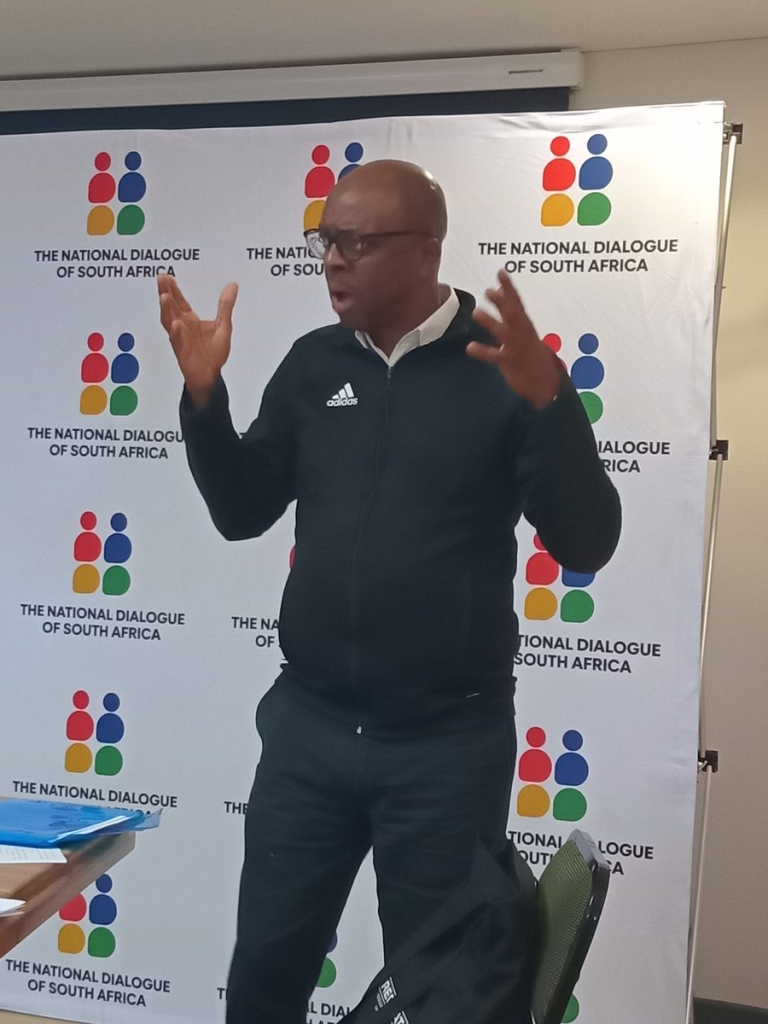
“The beauty about the National Dialogue is that it provides a platform for citizens to change certain things, whether it is legislation or any other intervention that may be necessary. So it is not just another talk shop or a tick the box exercise. It is geared towards ensuring that there are solutions.”
Purpose of the dialogue
Mabothe said the input gathered will go into the next version of the National Development Plan, the country’s long-term plan for growth and development.”So it is really a citizen-driven, citizen-focused initiative that makes sure citizens are at the centre of discussions and the process.”
Forgiveness
For Samuel-Chetty the first time she was asked to recount her story, she found it extremely hard.
She said the abuse affected every part of her life and at age 12 she tried to end her life. At 16 she told a religious leader what had happened, but was told, “I’ll pray for you.”
“For me that was not enough,” Samuel-Chetty declared. “I needed you to hear me and I needed you to help me.” She said the moment spurred her on to doing community work, to try to help others, even though this did not heal her own pain.
A breakthrough came when she saw a one-legged man begging at a local shopping centre in 2008. As he approached her car she froze when she realised it was her rapist.
“I started my car with every bit of intention to run him over because I said, “this time I have got the power. I didn’t have power when I was 6 years old. But now it’s my power to take back.”
But instead, she heard the voice of God telling her to give him the money, she said. “I knew that if I gave him the money I was giving him something, but I was also taking something back.”
Trembling, she opened her window gave him money and said, “I forgive you.”
“In that moment I transformed from a victim into a survivor. Because you’ll always be a victim if that pain still overpowers you. You only become a survivor when you can stand and tell your story about what was, not what is.”
Another breakthrough
Samuel-Chetty said her story became public in 2018, when she spoke at an international conference where she was challenged to tell her rape story and that of her rapist.
“And that was the most difficult thing for me,” she declared.
The perpetrator grew up in a home full of substance abuse, she said, and he had seen his father brutally rape his mother many times.
“He did not know how to respect a woman’s body because his dad had never respected his mother’s body,” she said. “Violence was their love language.”
She said he had been exposed to substance abuse from a young age and at 19 he found his brother hanging from a tree.
“By the time he got to me he was already a long-term substance abuser that had known only violence.”
Samuel-Chetty said while telling one’s stories is painful it is necessary, particularly for keeping important dialogues open.
“We can’t break the cycle of violence and rape by working only with victims. To break the cycle of abuse we have to groom a boy child against such behaviour. That is the only way.
“The purpose of this dialogue is to start this conversation, asking ‘How do we break this cycle of abuse?’”
How to take part
The National Dialogue will take place in all of the country’s wards with the pilot dialogues running until the end of September.
Citizens can also take part online.
ALSO READ: WATCH | Cape Town women protest Ekurhuleni killings and demand action


You must be logged in to post a comment.