
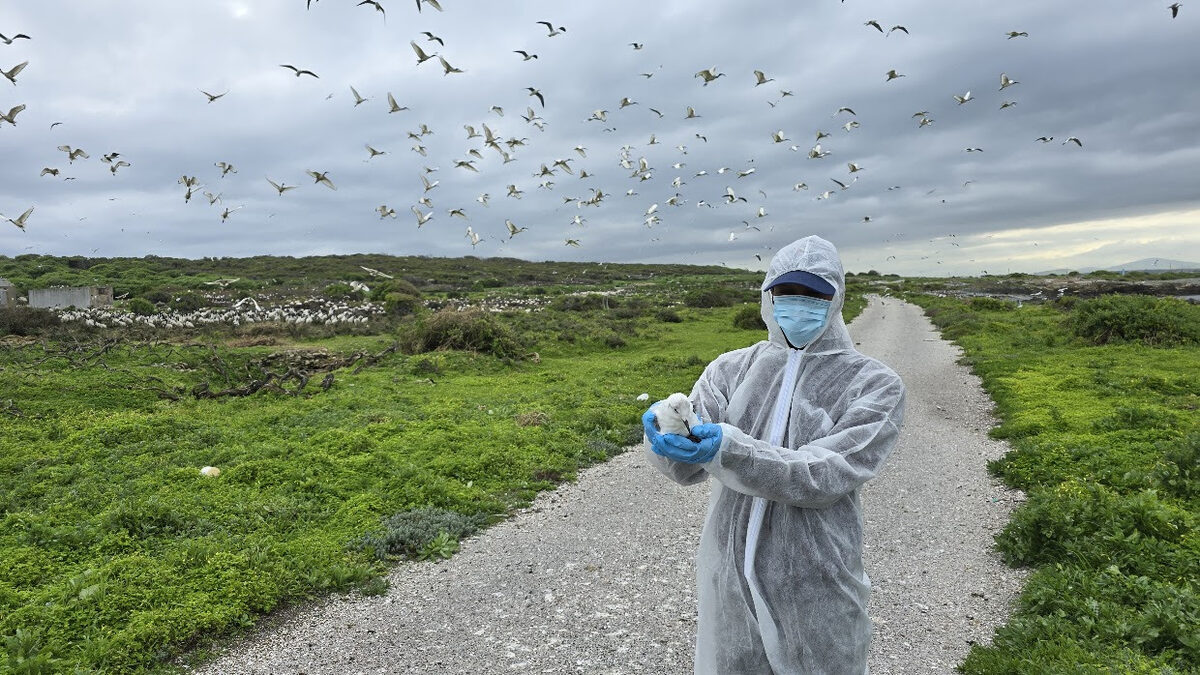
A recent outbreak of suspected Avian Influenza (Bird Flu) has caused mass mortalities of terns and other seabirds at the Soutrivier mouth in Melkbosstrand. While this area lies outside the formal boundaries of the Blaauwberg Nature Reserve, the reserve’s Protected Area Advisory Committee said it is working closely with Quemic rangers and the Coastal Department to manage the situation.
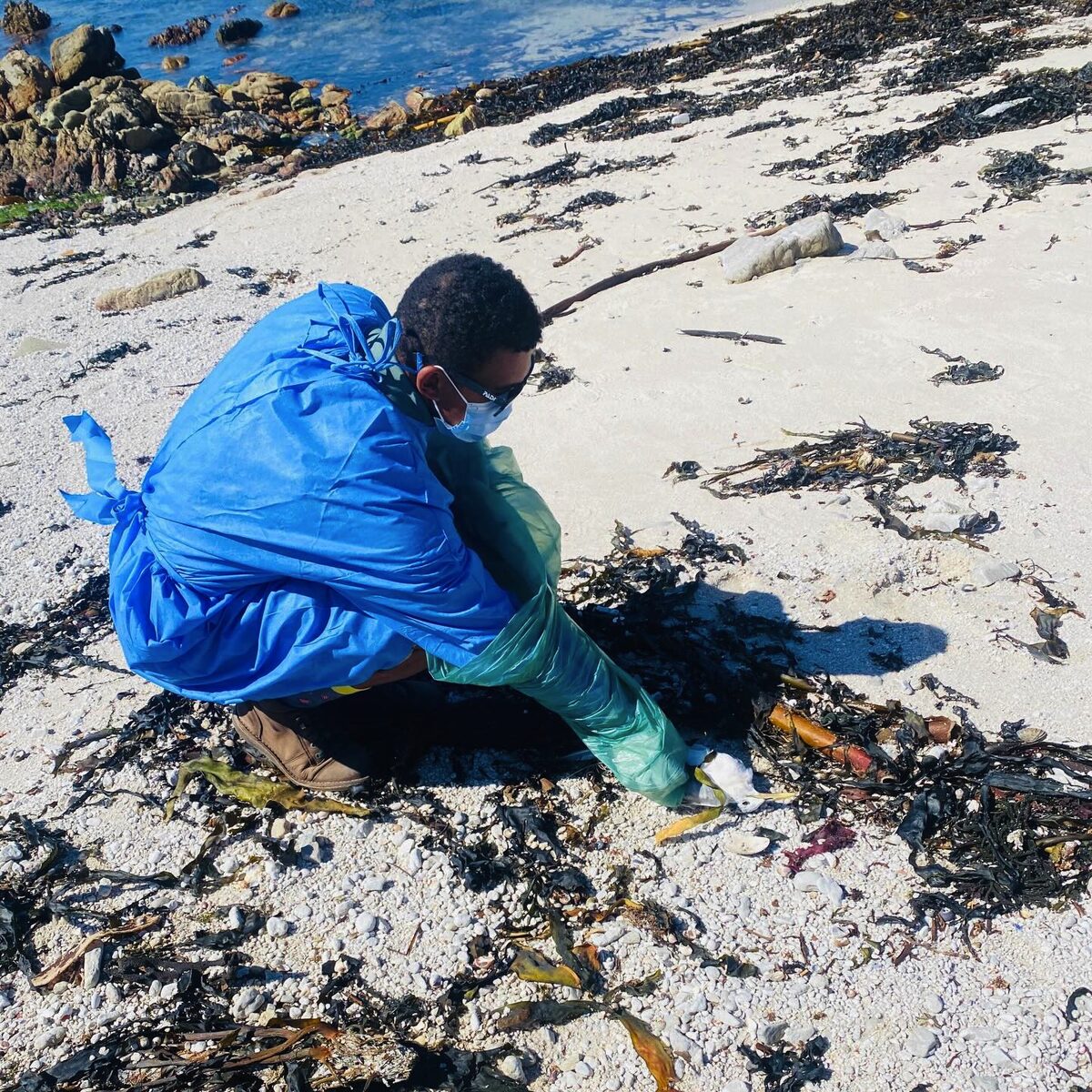
Rangers are evaluating the need to cordon off the area with danger tape to prevent public contact and are handling affected birds with strict use of Personal Protective Equipment (PPE). Collected birds are being sent to the State Veterinary Laboratory for testing to confirm the presence of Highly Pathogenic Avian Influenza (HPAI).
Public warned against handling birds
Authorities have observed the public handling sick or dead birds without any protective measures. This is extremely hazardous and could expose both people and other animals to the virus. Officials stress that taking individual birds to private veterinary clinics will not contain the outbreak and may worsen its spread.
The public is urged to report sightings of sick, unusually tame, or deceased birds immediately to Sanccob or the relevant managing authorities, and to avoid direct contact with any affected wildlife.
Sanccob and ranger efforts
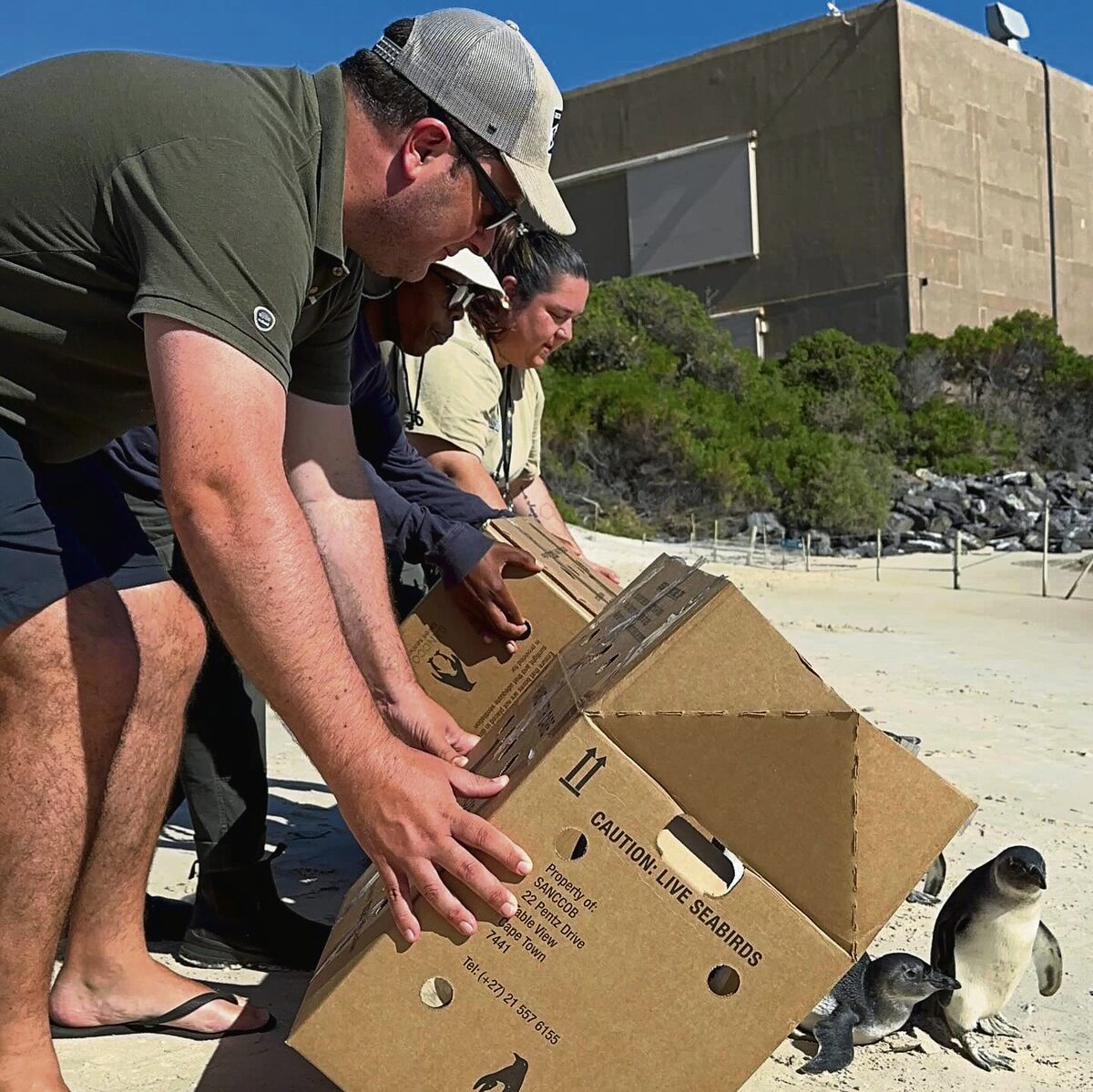
Sanccob recently reported that as HPAI cases have increased in recent weeks, dedicated rangers are tirelessly monitoring seabird colonies, responding to suspected cases, and following strict biosecurity measures to limit the spread of the virus. Their work is crucial to protecting vulnerable seabird populations.
Recent weeks have seen positive HPAI cases confirmed in African Penguins, Kelp Gulls, and Common Terns, with a notable surge in infected terns across the Western Cape. Since 2018, over 1 000 Critically Endangered African Penguins have died from HPAI, and more than 1 400 other seabirds succumbed in 2025 alone.
Species severely affected include Common Terns, Hartlaub’s Gulls, Great White Pelicans, Grey-headed Gulls, Kelp Gulls, White-breasted Cormorants, Crowned Cormorants, and Sacred Ibises. Domestic chickens and ducks have also been impacted.
Monitoring and response
Sanccob, together with State Veterinary Services and conservation authorities, continues to monitor the spread of the disease. First responders, veterinarians, and rangers have been trained on safe handling practices and provided with protective clothing and biosecurity equipment to ensure both human and animal safety.
Authorities emphasise the importance of early detection, ongoing monitoring, and public reporting to protect seabirds during this ongoing outbreak.