

The City of Cape Town’s tender appeals authority has dismissed appeals in two major contracts linked to the R5 billion upgrade of Potsdam Wastewater Treatment Works (WWTW).
These contracts are now set to serve on the City Council agenda in March, for final statutory public participation before awards to the successful bidders.
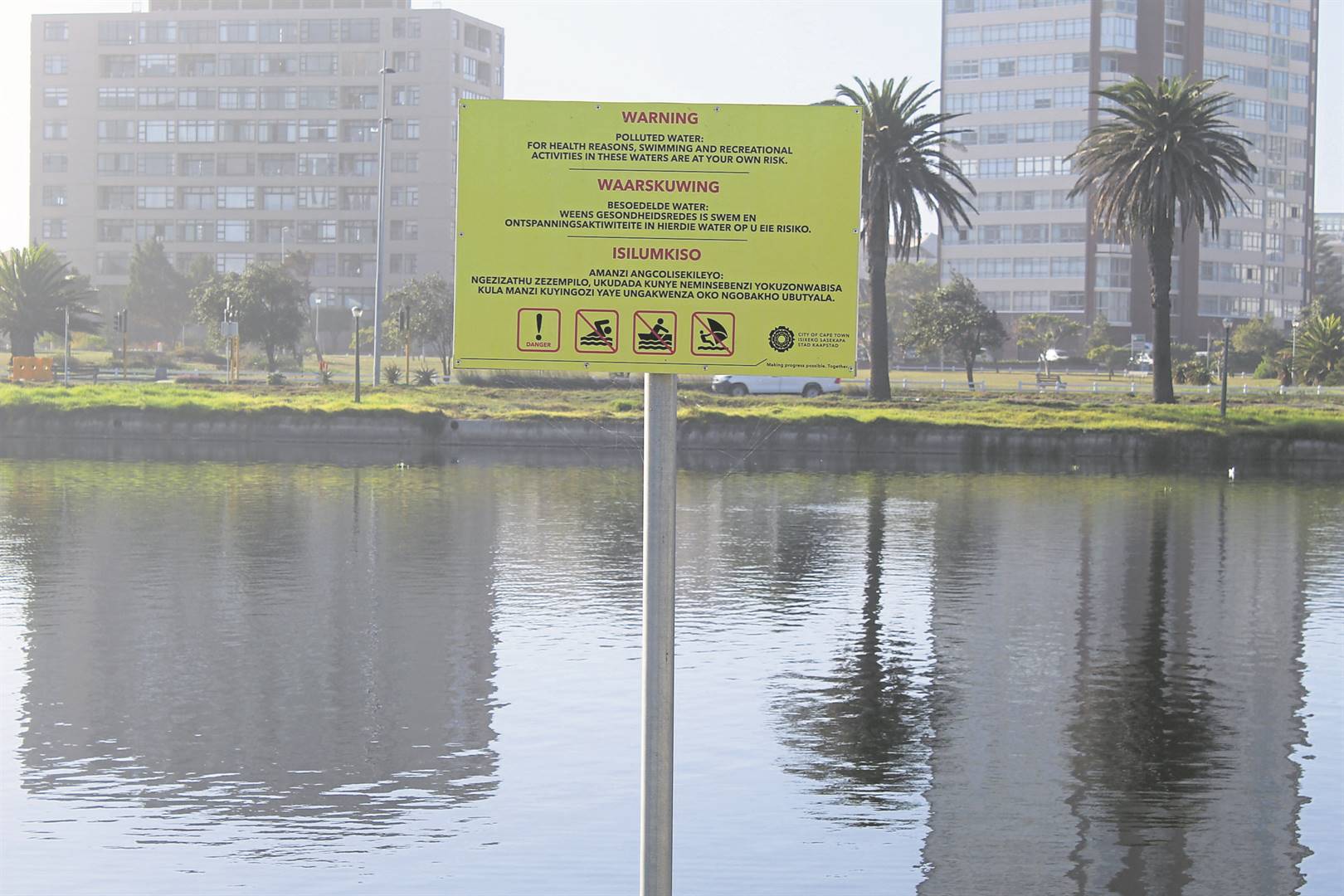
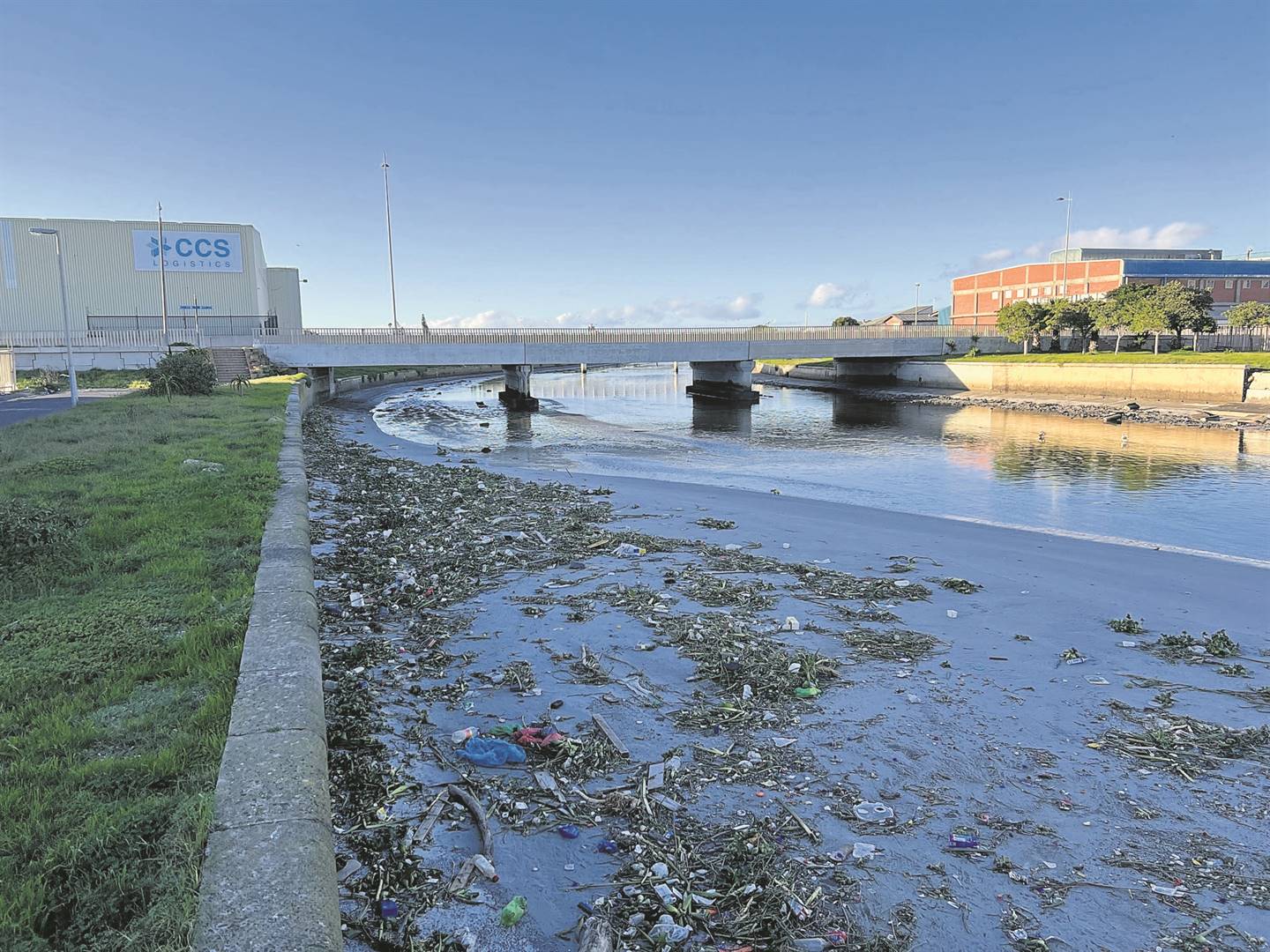
Last week, TygerBurger reported about environmentalist group ReThinkTheStink linking the Milnerton Lagoon pollution to the Potsdam WWTW after independent water tests were commissioned around the Potsdam WWTW.
They found effluent pouring out of an “official outlet” to contain an E. coli count of 1 560 000 cfu/100 ml and 2 140 000 cfu/100 ml from an “unofficial outlet”.
Residents have also been complaining about the ongoing foul smells in January, with reports of eye, nasal and skin irritation, headaches and nausea.
The City says progress is also being made on critical maintenance work to improve treated effluent quality at Potsdam, including major cleaning work to maturation ponds and the re-engineering of natural reed beds to prevent pollution from reaching the Diep River.
Potsdam WWTW falls within the Diep River catchment. This is one of the largest catchments in the city at over 1 500 km² in size, half of which falls outside of the metro boundaries in the Swartland.
Potsdam WWTW is benefiting from a R5 billion capacity upgrade from treating 47 million litres of wastewater per day to 100 million litres per day.
The City is currently upgrading the Potsdam WWTW to increase its capacity to accommodate the urban growth in the area. Cutting-edge membrane technology is also being added to ensure high wastewater treatment standards.
Over the past year, the City has been doing remedial work at Potsdam WWTW that will result in treating effluent to a better quality. The City has also been implementing short-term interventions in the Milnerton Lagoon to help address diffuse sources of pollution.
Potsdam upgrade
According to the City, due process continues to be followed for the mechanical and civil tenders awarded to contractors subject to an appeal period, the conclusion of a Section 33 process and Council budget approval.
The Phase 1 demolition on the property is already complete. Currently, the upgrade project is split into two components:
- Mechanical and electrical tender:
This tender is for the design, supply, installation and commissioning of mechanical and electrical infrastructure to upgrade and expand Potsdam WWTW.
- Civil tender:
This tender is for the civil construction of infrastructure and buildings to upgrade and expand Potsdam WWTW, including demolition works.The appeals received on both tenders were dismissed by the appeal authority at the end of last year. The Section 33 process is now underway and it is in the comment period for government bodies.
A Section 33 process is required for projects exceeding three years, including a public participation process. It will require Council approval before entering into a contract with a service provider.
Cleaning of maturation ponds
The City will be investing about R4,5 million to clean these maturation ponds which should improve the quality of treated effluent. Work is scheduled to start in March and is planned to be completed in June. The purpose of these ponds is to further clarify the settled water from the secondary treatment process prior to the disinfection process.
The reed beds are part of the historical natural filtering process to filter and clean stormwater entering the reed beds via Koeberg Road and the surrounding industries.
Sluice gates have been installed in the following areas:
- Between reed beds one and two, including constructing a bund wall at reed bed one, to increase the capacity of reed bed 1. This allows polluted water to be retained in reed bed one and allows the polluted water to be pumped back through the treatment process again.
- The sluice gate prevents polluted water from flowing to reed bed two, which in turn prevents polluted water from flowing out into Theo Marais canal.
- At the reed bed two outlet into Theo Marais canal, installing a metal mesh preventing solids/stones from causing damage to the valve will be included. This allows polluted stormwater (from Koeberg Road and surrounding industries) to be retained, preventing pollution into the Diep River via Theo Marais.
- The asbestos pipe (outflow of reed bed two) was also replaced with an HPD pipe and fitted with an isolation valve to prevent and control outflows of polluted stormwater contained in reed bed two directly into the river.
Residents and stakeholders
“An upgrade to a WWTW is generally a multi-year complex process, from planning to completion. Residents are assured due legal process is being followed so we can see the upgrade become a reality. In the meantime, the City will continue with its remedial efforts at Potsdam WWTW to help improve the treated effluent discharged from the plant.
“The City also welcomes ongoing engagement with stakeholders in the Diep River catchment, from residents to government departments, as we all work together towards achieving a common goal to improve inland water quality to the benefit of the community and environment,” says Siseko Mbandezi, the City’s acting Mayco member for water and sanitation.