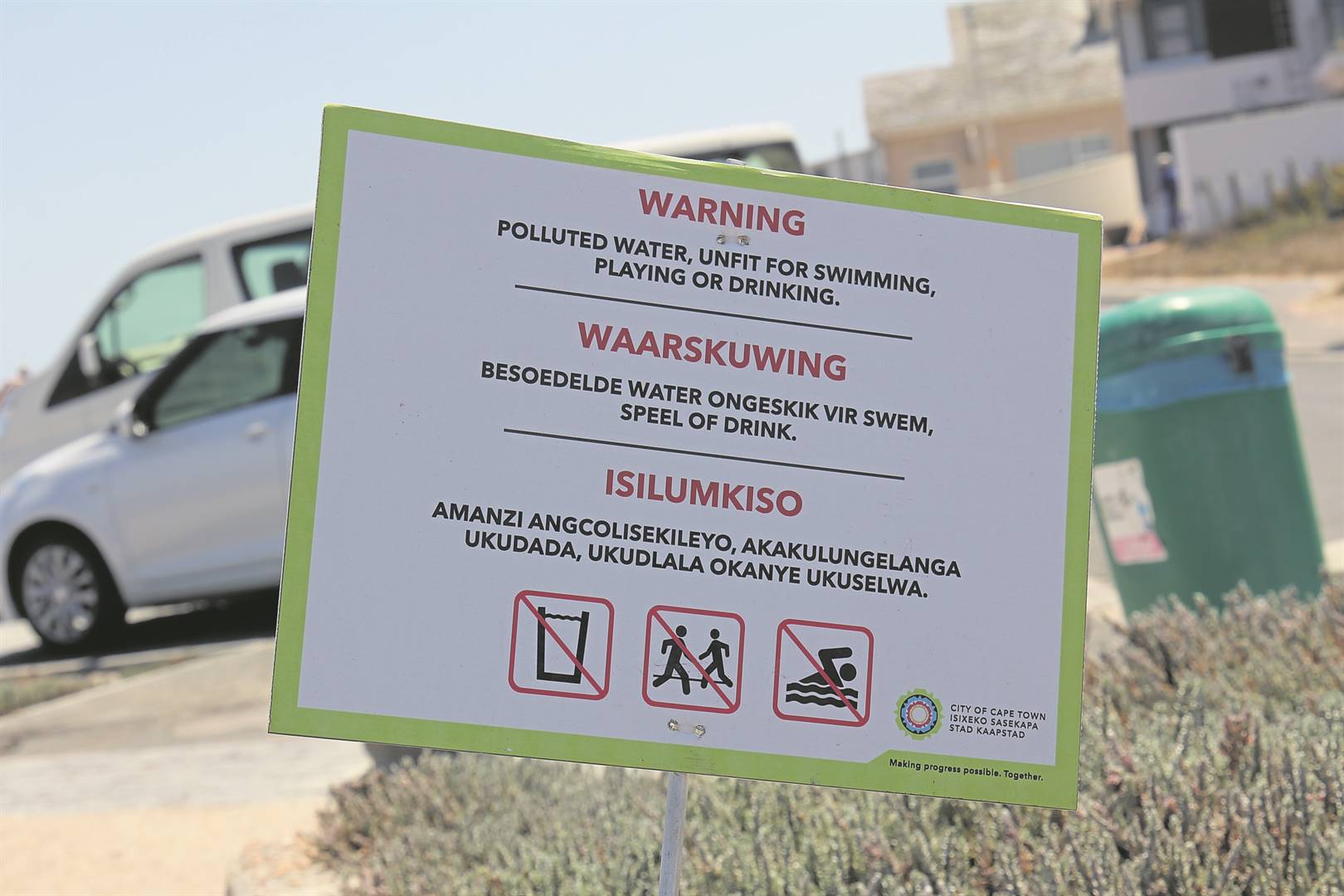


Community activists came out in large numbers on World Water Day (Tuesday 22 March) to protest against the pollution of the Milnerton Lagoon.
This is after dead fish were spotted at the lagoon recently.
The City of Cape Town closed the lagoon shortly after the incident, advising visitors to avoid contact with the water due to signs of algal bloom.
The City says in its latest statement that its biodiversity management team is continuously monitoring the lagoon to see if it has an impact on wildlife and fish.
TygerBurger reported (“Dead fish investigated”, 9 March) that approximately 500 dead fish were found in the lagoon, consisting of juvenile mullet species, primarily Southern Mullet (Liza richardsonii), at the mouth of the Milnerton Lagoon.
The City has since initiated an investigation to determine the possible causes of the fish die-off.
The Milnerton Central Residents Association thanked all residents and activists who joined the protest.
“Today, on World Water Day, community activists again came out to protest the ongoing pollution in the Milnerton Lagoon which resulted in recent fish die-offs. Thank you to all those who joined in and hooted to show their support,” the association says.
Last year on Earth Day on 22 April, residents also gathered to protest against the pollution of the Milnerton Lagoon.
They have warned the City for years that toxins in the Milnerton Lagoon should thoroughly be investigated.
One of the residents, who wishes to remain anonymous, says that the City needs to be held accountable for the pollution.
“For years we have been fighting with the City to do more and clear the pollution, but it seems there is a new problem every time. Now the lagoon is closed, something we’ve warned the City is going to happen. I just hope that more residents will join our protests,” she says.
The City says although there are no blue-green algae present in the lagoon, harmful algal blooms are an ongoing threat, particularly in the vlei and water bodies (including Milnerton Lagoon) which are in nutrient-rich situations and are exposed to hot weather.
The City’s Mayco member for water and sanitation, Zahid Badroodien, says the water and sanitation directorate investigated the water quality and they have created a list of possible pollution sources.
“The directorate is closely monitoring all pollution sources and does regular water quality sampling and physical inspections of our infrastructure. The Bulk Infrastructure Department confirms that Potsdam Waste Water Treatment Works (WWTW) is a small contributor to the problems we face with the waterway. The treatment facility achieves high compliance ratings for its treated effluent which sometimes has nutrients present in the discharge. At no point has Potsdam WWTW discharged raw effluent or had any emergency or unauthorised discharges that could have resulted in the algae bloom,” he says.
The lagoon still remains closed to the public and the results of the ongoing investigations are still unknown.