
It was the call he’d been hoping to get for almost ten years.
When Rhys Thomas, 43, answered his phone at 07:00 a few weeks ago, he received life-changing news from Cape Town cardiac surgeon Dr Willie Koen. There was a heart available to replace his damaged one, and his long-awaited transplant would take place that morning.
Previously a professional rugby player, South African born Thomas rose through the ranks as a talented prop to play for the Wales national rugby union team. However, at just 29 years old in 2012, his rugby career was cut short after he suffered a massive heart attack during training. “You never expect this to happen to you, and then boom, it takes you down,” says Thomas.
Harrowing battles with depression
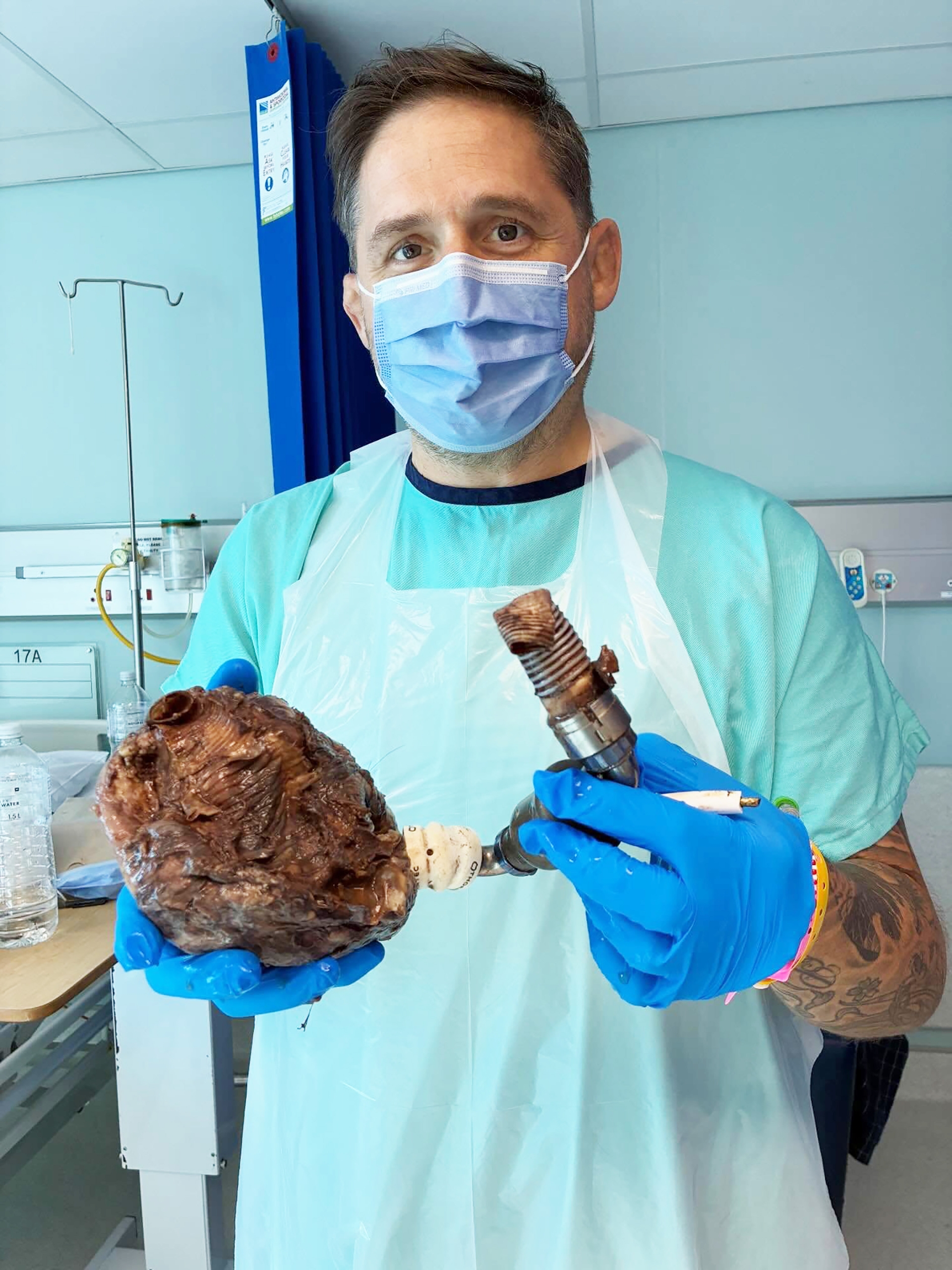
Despite undergoing two heart surgeries in the United Kingdom, he was left with end-stage heart failure, physically a shadow of what he had been as a professional sportsman. Later, doctors in the UK fitted a battery-operated left ventricular assist device (LVAD) to help his heart pump blood around his body.
“This intervention bought him time, but not quality of life. For someone who lived for sport, being tethered to batteries and unable to swim or shower normally is survival, not living,” comments Dr Koen.
In 2019, after years of harrowing battles with depression and addiction following the loss of his profession and identity, compounded by his fragile physical condition, his friends realised that Thomas needed urgent help to stop his self-destructive behaviour.
They intervened and flew him to the Cape Town rehab Stepping Stones for treatment. Thomas describes his stay there as transformative, saying it helped him get back on the road to recovery.
On transplant list
Thomas had lived in the UK for 24 years. “I was on the transplant list there for eight years. I had a lot of medical care in the UK, but ultimately I left to come home to South Africa because the UK doctors had concerns around performing the transplant surgery and my chances of survival afterwards. When I finally left the UK 18 months ago, I had to leave my children there. My youngest is just 19 years old, so it was not a decision I took lightly,” says Thomas.
Thomas now lives in Cape Town permanently and has found a new career working as a breathwork practitioner. “I work with clients in various ways, sometimes assisting them through transformational moments in their lives and helping those who are looking for change. I’m also one of the co-founders of Saunahaüs, a wellness facility in Cape Town.”
Thomas’s health continued to deteriorate. “I was feeling terrible. I was breathless, and I couldn’t walk very far. I’d been using the LVAD for many years, but towards the end it just felt very different. I’d had a few issues with it over the last year, and I had to go to hospital twice. We knew the machine was on its last legs.
“I then turned to Dr Koen for help. I felt the time was right and that he was the doctor to get me through the transplant surgery. It was a tough decision to go ahead with the transplant, but I trusted my gut.”
Tribute
Going back to that morning, Thomas was already at work when the call from Dr Koen came. “He said, ‘Can you get to the hospital by 10:30?’. I was incredibly nervous, but excited. I got to the hospital, went for a shave and shower, and spent those last minutes praying and meditating with my partner, Kez Green.
“My next memory was waking up in the surgical ICU two days later with my children around my bed. It was so special. It was my third open heart surgery, and I knew the transplant came with challenges. The way I envisioned it was that if I woke up and saw my children, I would know I had made it.”
Thomas pays tribute to Dr Koen and his team at the Christiaan Barnard Memorial Hospital. “Some of the things Dr Koen did during the surgery were amazing. There were two inches of scar tissue in my chest cavity, and he managed to get through that. It was expertly handled. The team was just fantastic.”
Dr Koen says the thick scar tissue in Thomas’s chest from his previous heart surgeries presented a unique challenge, but the transplant had been a success. “I was so touched when I heard about the difficult journey he had walked to reach this point that I felt compelled to help him.”
Shortage of organ donors
Dr Koen is concerned that patients across South Africa are dying while waiting for heart transplants because of a critical shortage of organ donors. He repeatedly sees this tragedy unfolding: “People like Rhys, who could return to normal lives, working, raising their children, contributing to their communities and their country, are instead dying on waiting lists.”
ALSO READ: Luca’s Fight Against Childhood Liver Cancer: A Community Call to Action
The shortage persists across all sectors. “It’s not just about resources; doctors hesitate to raise organ donation with grieving families. Medical teams are focused on fighting to save lives in the ICU and emergency departments, and when that battle is lost, navigating cultural sensitivities around donation becomes another challenge during an already devastating moment. As a country, we must think about what we can do about this. You must talk to your family if it is your wish to donate your organs. In South Africa, your family makes the final decision, and if they don’t know your wishes, people die waiting. We need to normalise these conversations. One donor can save seven lives, but only if your family knows that’s what you wanted. So many patients could have a chance for real hope if more donor organs were available,” he explains.
Life with a new heart
Thomas wants to honour the man whose heart he received. “After the operation, I was able to hold my old heart in my hands. It was a very emotional experience. Afterwards, I cried the entire day. It was a release I needed, but also a reckoning with what someone had given me.” He joins Dr Koen in urging South Africans to register as organ donors. “A stranger’s family, in their darkest moment, chose to save my life. That generosity deserves to be honoured by living well.”
Speaking from his home, Thomas said that although his time in hospital felt long, it was necessary preparation for the challenges ahead. “There’s a great deal that needs to happen. I need a lot of medication to stabilise my condition and to give myself the best possible chance of a long life with this new heart. I’m prepared for that, and I’m looking forward to taking things gently and slowly.”
He said he was going for walks of a few hundred metres each day and was feeling well.
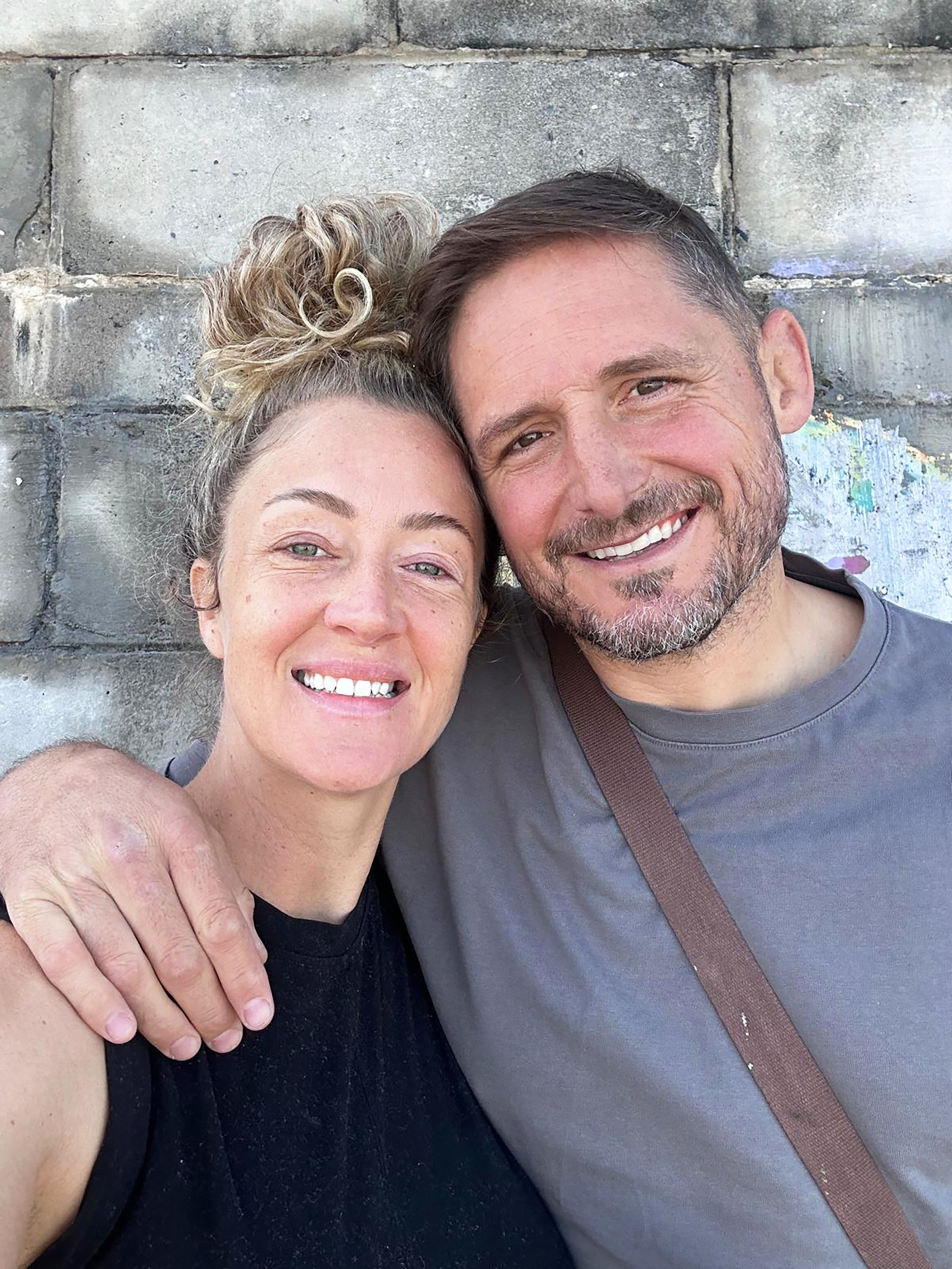
“Not only did my partner, Kez, move house at six months pregnant while I was in hospital, but she’s been my rock. She’s so supportive. I have such huge respect for how she’s held everything together. It’s been a whirlwind few weeks, but I feel incredibly grateful and lucky. Having a new heart feels like a dream; I have to pinch myself. I’m getting used to feeling my heart beating in my chest. I couldn’t have dreamed of a better outcome. At last, I feel like I have a future to be really excited about.”