

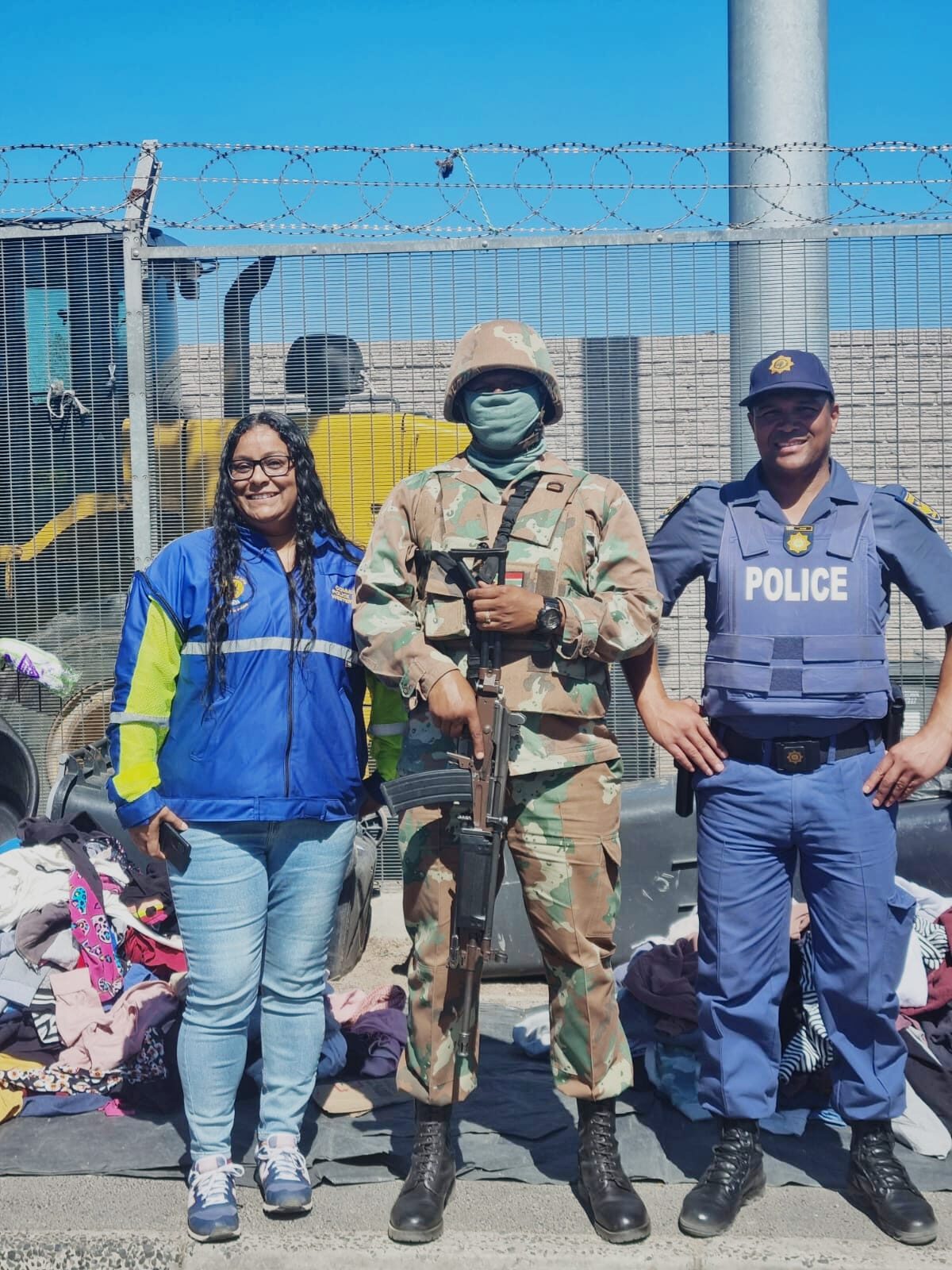
Stakeholders have expressed varied responses to the deployment of soldiers to tackle gang violence.
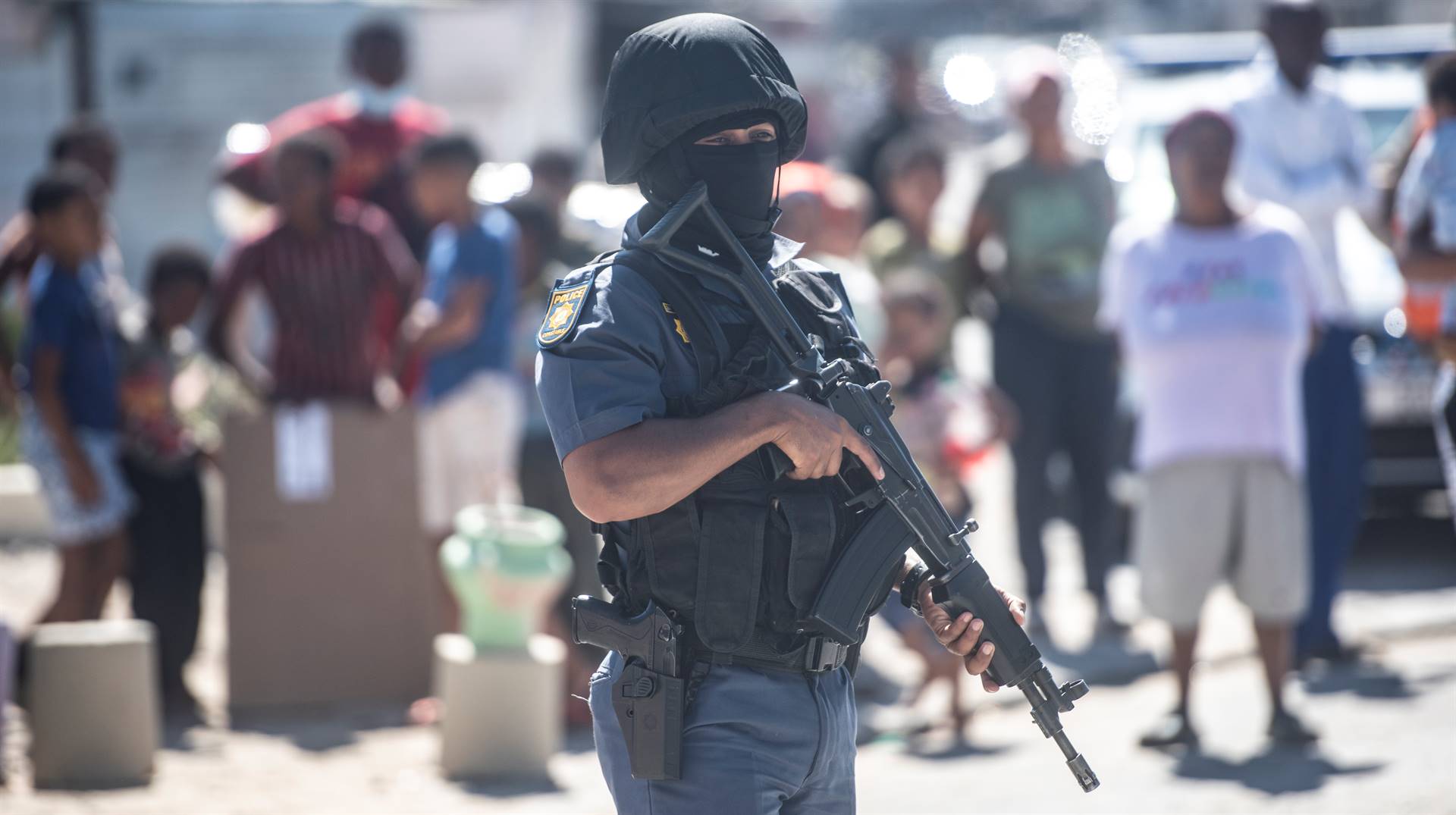
The reactions range from cautious optimism to outright scepticism, as Operation Prosper begins following President Cyril Ramaphosa’s identification of organised crime as “the most immediate threat” facing South Africa.
Research conducted with gang members reveals they do not view the army as a deterrent to their operations.
This is according to the Gang Monitor quarterly report by Global Initiative Against Transnational Organised Crime (Gi Toc), which was released at the end of March.
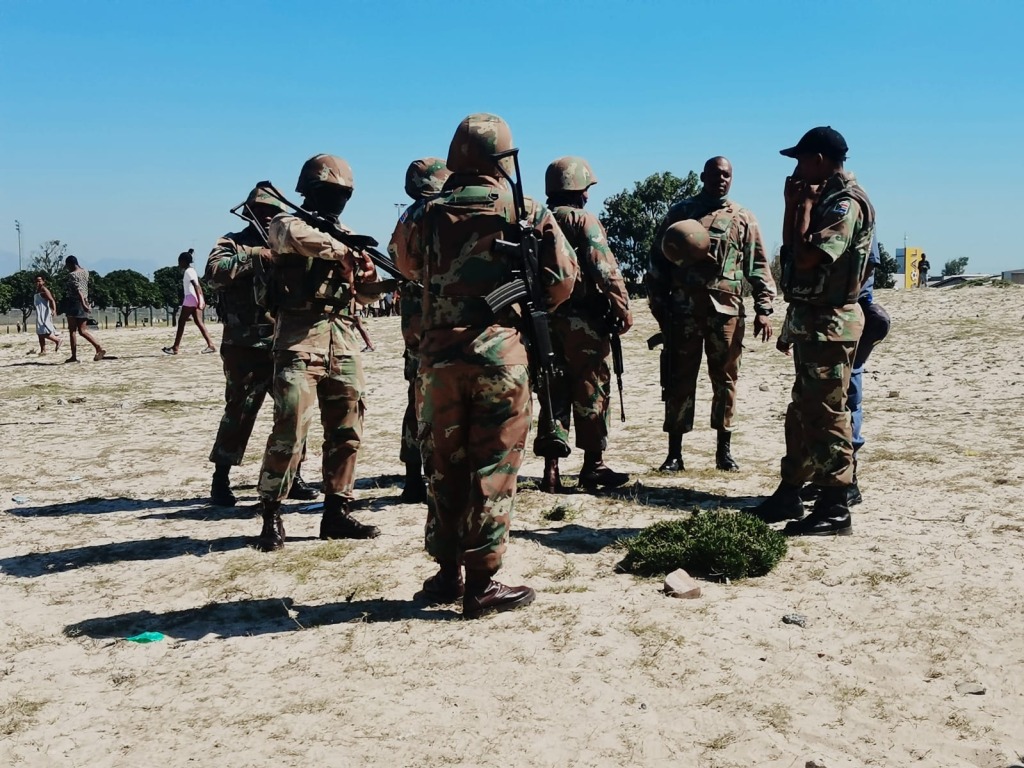
The report said gangsters continued their activities during previous deployments by adapting their methods or paying bribes.
“The army can’t really stop the business,” one drug dealer said. “We don’t move the drugs or guns out of the area — we just become more careful. I carry less on me and wait for the police to move on.”
Gang figures said short-term army involvement did little to disrupt their criminal businesses.
READ ALSO: Gang Monitor says defections fuel Cape Flats violence
Previous deployments have not caused a lasting reduction in violence, the gang monitor reports. During the most recent operation in 2019, there was no significant reduction in the murder rate, aside from a temporary decrease in the month the army was active.
Research shows that while a visible army presence may temporarily reduce gang violence, it typically does not disrupt the underlying criminal activities.
Law enforcement shares doubts
Police and soldiers have expressed similar concerns, the report said.
One officer said gangs “will simply avoid operating in front of [troops]”.
READ ALSO: Army joins police in major WC crime crackdown as Operation Prosper launches
Soldiers have also voiced concerns about being used for domestic operations, citing a lack of cooperation with police in past operations while law enforcement officers warn that gang violence is more likely to move to nearby areas rather than be stopped entirely, according to the report.
Community response proves mixed
Residents in affected areas have shown divided opinions about the deployment. Many were relieved and hoped gang shootings would decrease, but others doubted the army’s ability to reduce violence long term.
Some called for even stronger security, while others raised concerns about possible human rights violations.
Independent criminologist Ben de Vos, from Mitchells Plain, noted that gang shootings were reported in Elsies River and Hanover Park soon after the first day of patrols, questioning whether the army presence serves as a deterrent or challenge to gangs.
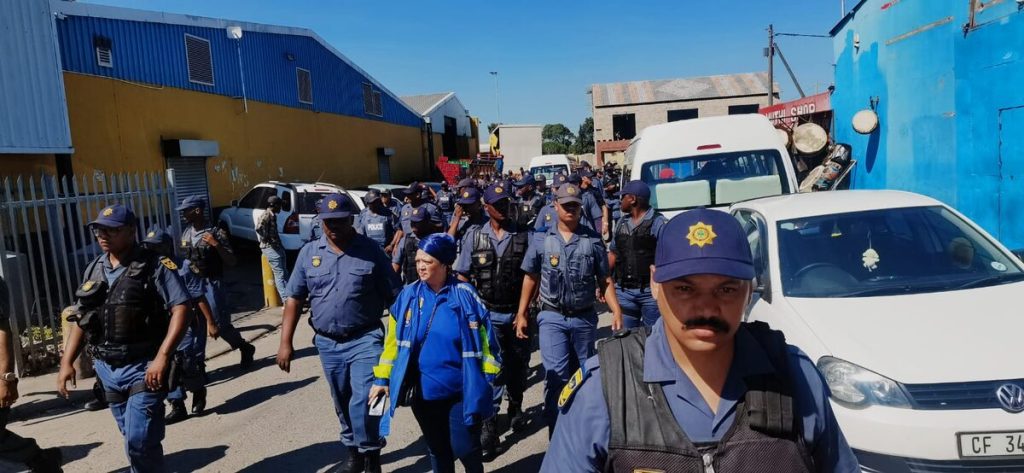
Officials acknowledge limitations
Political decision-makers have been frank about the deployment’s limitations. Acting police minister Firoz Cachalia and Western Cape Police Commissioner Lt Gen Thembisile Patekile described army deployment as neither a “magic bullet” nor a permanent solution.
Western Cape Premier Alan Winde and MEC Anroux Marais stressed that while the deployment may provide short-term stability, it cannot solve the deeply rooted problem of gangsterism and organised crime.
“The reality is that the police have been stretched beyond its limits,” said Marais, emphasising that the crisis results from “years of systemic under-resourcing, inadequate recruitment, and the steady erosion of critical policing capabilities”.
De Vos raised concerns about operational methods, warning that searches of citizens’ homes based on “ill-informed hunches” rather than accurate intelligence could damage community-police trust.
He questioned what would be different this time around, noting that “conflict and skirmishes between citizens and law enforcement had been rife in the past”.
He highlighted a disconnect between police policy regarding human rights and the actual reality interactions on the ground.
Call for structural reform
Officials said the deployment was a temporary stability response that should be accompanied by strengthening policing and broader crime prevention.
Winde called for urgent prioritisation of strengthening the police through expanding crime intelligence, restoring specialised units and enhancing detective and forensic support.
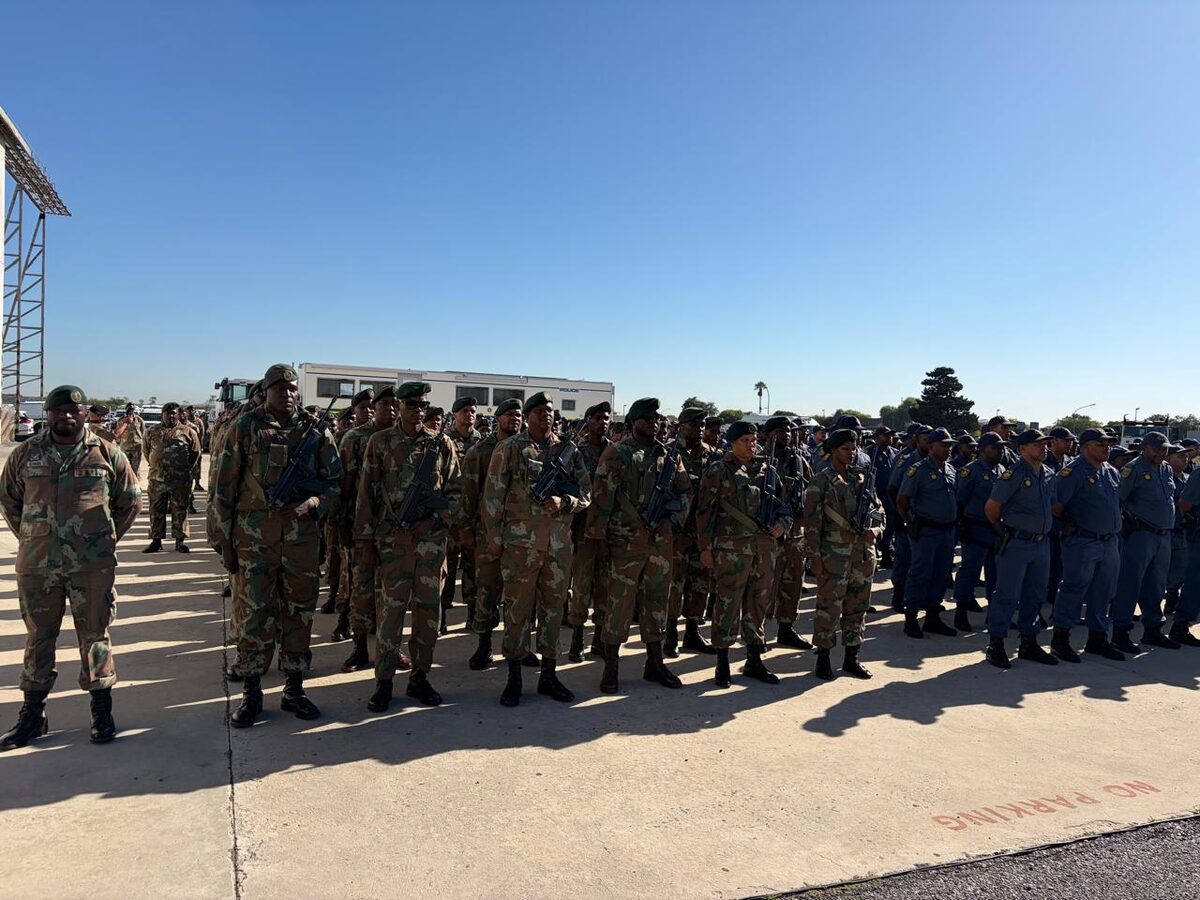
Some crime fighters on the ground, however, feel that too few soldiers were sent to be visible. When TygerBurger asked police how many soldiers had been deployed and Col André Traut said: “The South African Police Service confirms that integrated deployments under Operation Prosper are being executed across various identified areas. As a matter of operational security, specific details relating to deployment numbers, locations, and tactical movements are not disclosed, as this may compromise the effectiveness of our interventions.”



You must be logged in to post a comment.