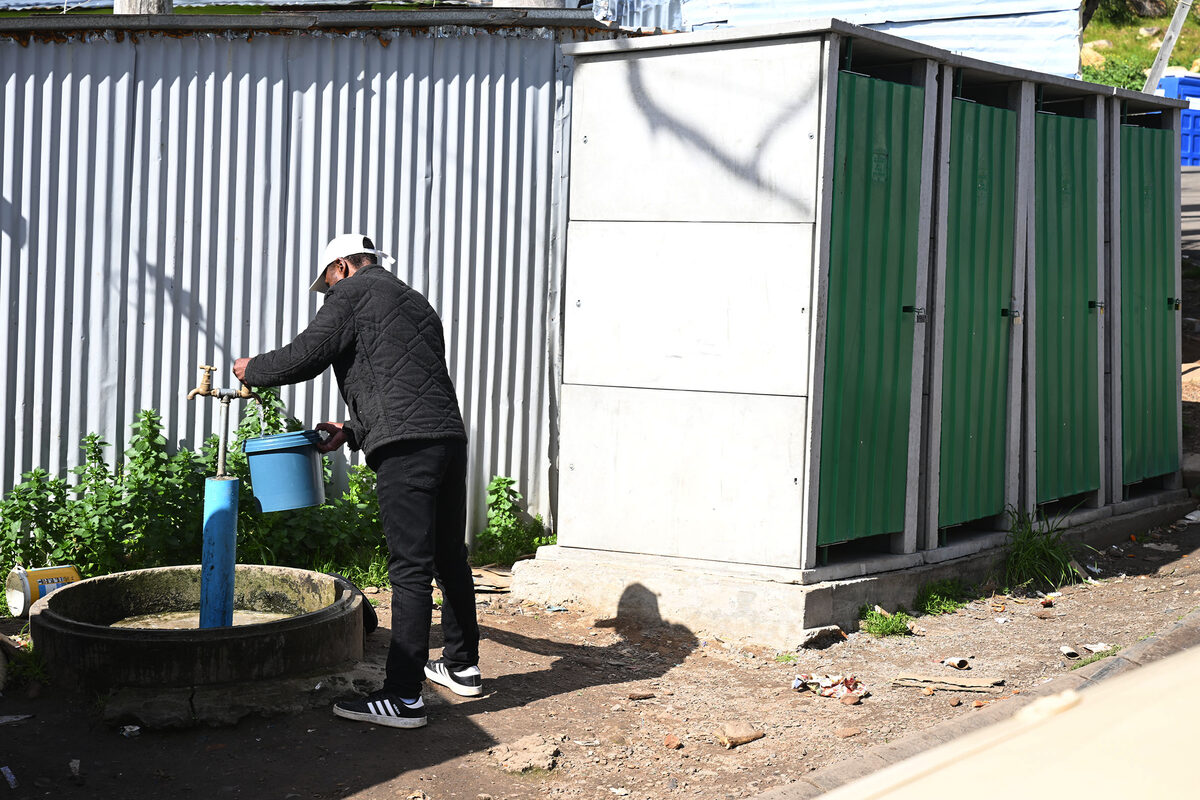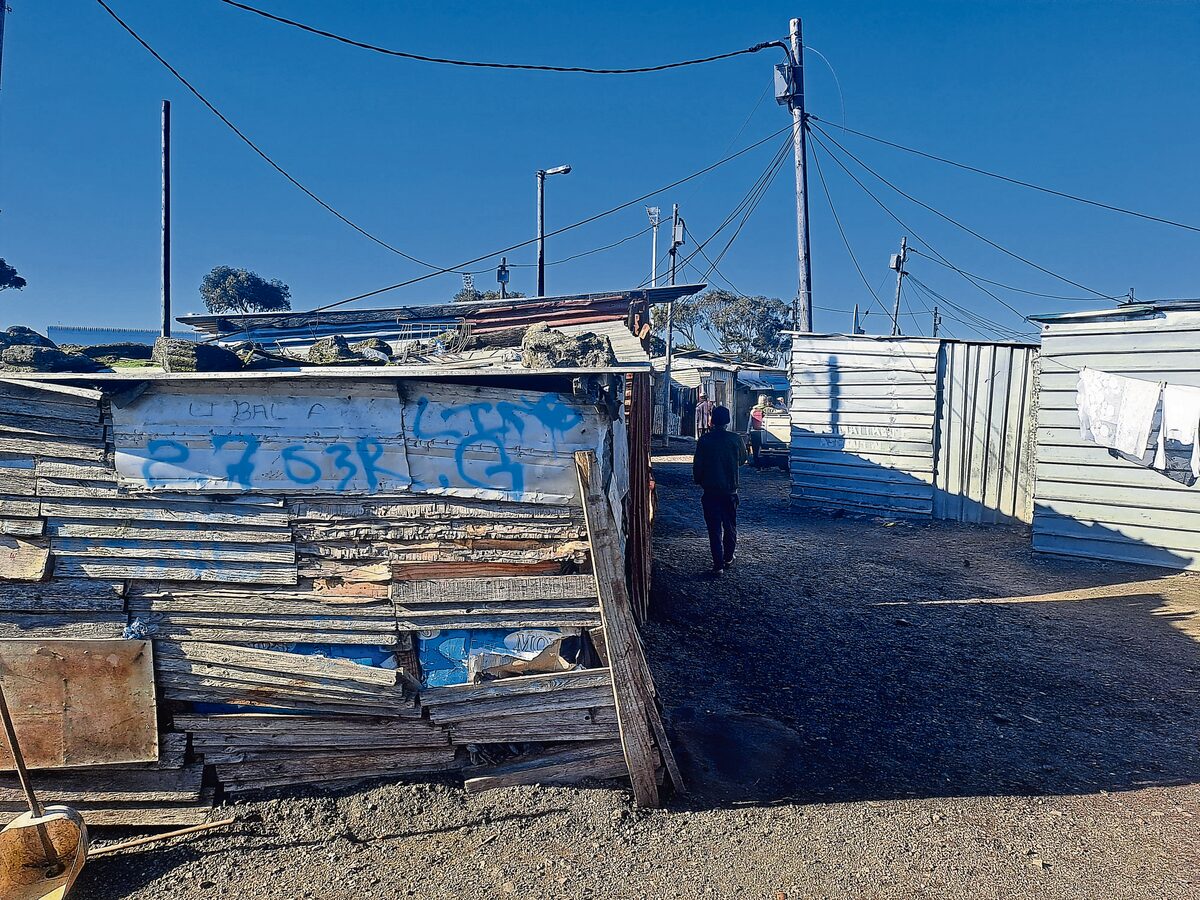

Imagine it is 5:30 in the morning. You have your period and have to use a public toilet because you live in a shack with no running water. You choose the veil of darkness to hide the shame of disposing of your used pads and the bloody water you used to clean yourself.
Monthly battle
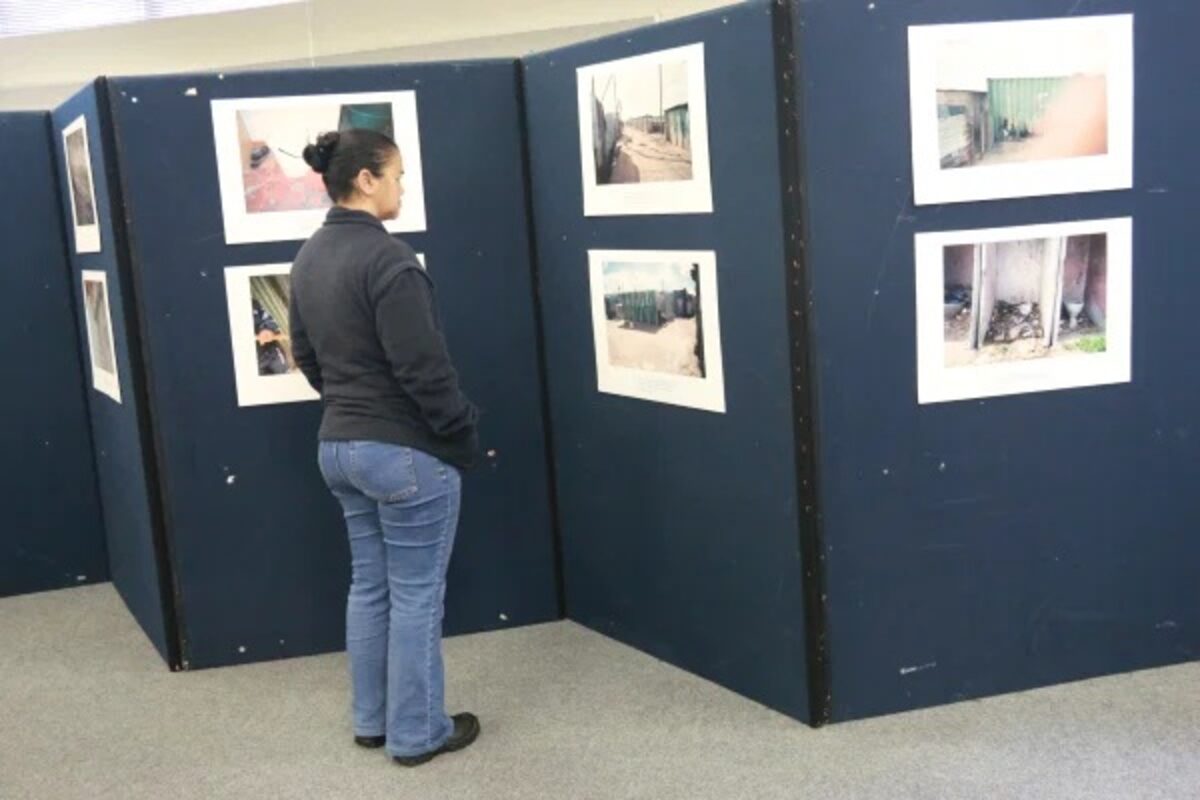
For millions of South African women in informal settlements, menstruation is more than biology; it is a monthly battle for dignity. To highlight this, the Politics and Urban Governance (PUG) project at the University of the Western Cape (UWC), in partnership with international universities, conducted a study and hosted a photo exhibition entitled, Caring for the Other Half. It featured women in Khayelitsha sharing their personal stories and reflecting on their experiences of menstruation and sanitation in informal settlements. It created a public platform for sharing women’s stories directly with government representatives, academics, community members and NGOs, fostering vibrant conversation.
There is growing attention to the prevalence of school absenteeism because of difficulties in managing menstruation. Older women – the group who participated in the study – juggle work and childcare while managing their periods in shared toilets or makeshift spaces. For both generations, menstruation is a barrier to education, dignity and even employment.
The project leader at PUG, Dr Christina Culwick Fatti, noted many women said that they were able to get pads for R5 a pack – so there are affordable options – but they were particularly concerned about disposal, saying that there aren’t enough good waste bins.
“They are worried that dogs and children will get hold of the pads and that if someone got hold of their used pad with their blood on it, witchcraft could be done on them,” said Dr Culwick Fatti. “Five of the 15 participants presented their stories at the exhibition of the photos they contributed to the PhotoVoice project. Participants spoke about the shame of having to dispose of water in public that is obviously red from menstrual blood, but that they don’t have other options. Sometimes they choose to go out at night, despite safety concerns, because the colour of the water is less obvious in the dark.”
Folded rag
Dr Culwick Fatti said in cases where there is no access to sanitary pads, a folded rag often has to do, because this is the only option for many when money is tight. For some women, it means missing work, because the thought of leaking through a dress is often a very real fear. Period poverty often means choosing between food and sanitary pads. In addition, a lack of privacy forces women to change in unsafe spaces. Unhygienic alternatives, such as rags or tissues, increase infection risk and the stigma around it often silences conversations.
“Although much of the current media attention is about the lack of products, our focus is broader – looking at multidimensional menstrual health. This includes having adequate products to manage menstrual blood, education or information, a supportive environment, pain management and access to adequate healthcare when necessary, to participate in all spheres of life while menstruating,” she said.
The exhibition created a space for dialogue between community members, government officials, academics and other stakeholders where lived realities met policy conversations, while highlighting the urgent need to support menstrual health in these conditions.
“This opportunity for women to openly discuss the challenges of managing menstruation in contexts where water, sanitation and solid waste services are inadequate is rare and the exhibition was an opportunity to show how inadequate services strip away dignity, deepen shame and make the simple act of managing menstruation an ongoing struggle,” Fatti noted.
“Recent studies call for affordable sanitary products, better wash infrastructure and community education to break the cycle of shame. Innovative projects, such as pad banks to reusable menstrual cups, are slowly making a difference. But until policy integrates menstrual health into housing and gender equality frameworks, women’s stories will repeat across generations,” she said.
The exhibition was followed by responses from a City of Cape Town representative from the Informal Settlements Department in the Basic Services Division, as well as from Prof Catherina Schenck, the DSI/NRF/CSIR chair in Waste and Society at UWC. The exhibition closed with a vibrant question-and-answer session.
ALSO READ: UWC gardener pursues postgraduate studies despite life-changing setback