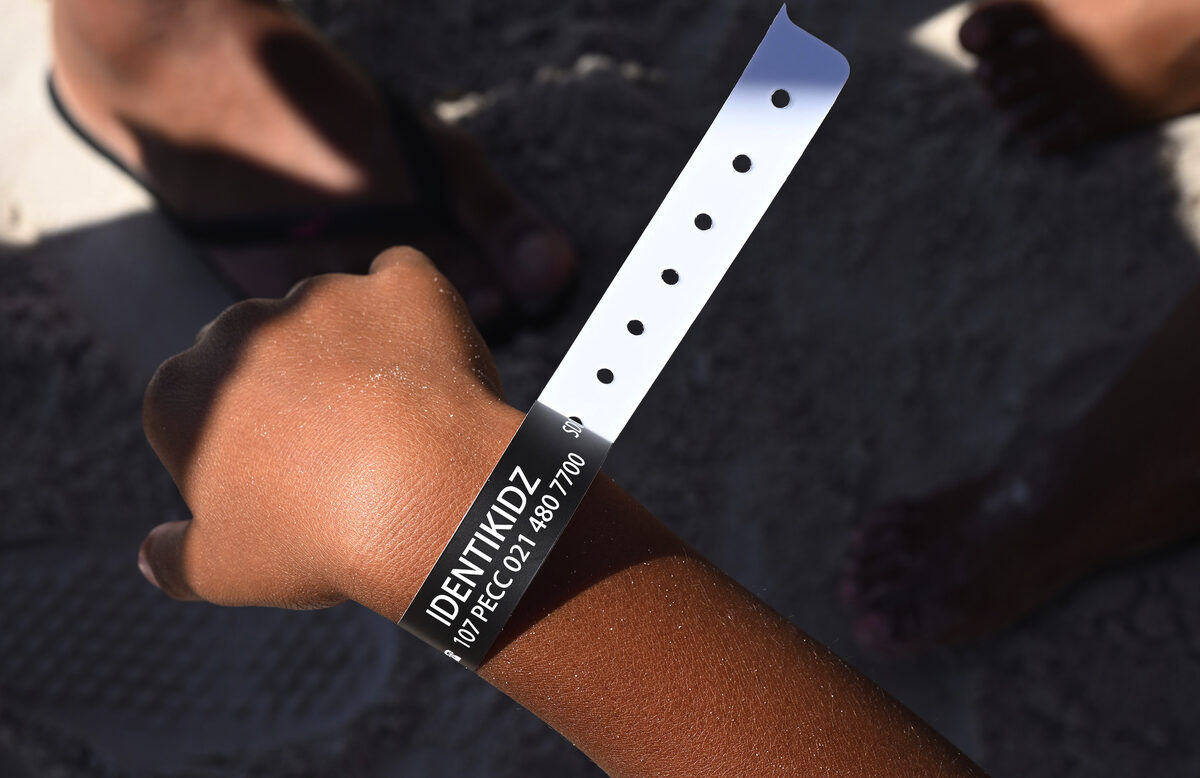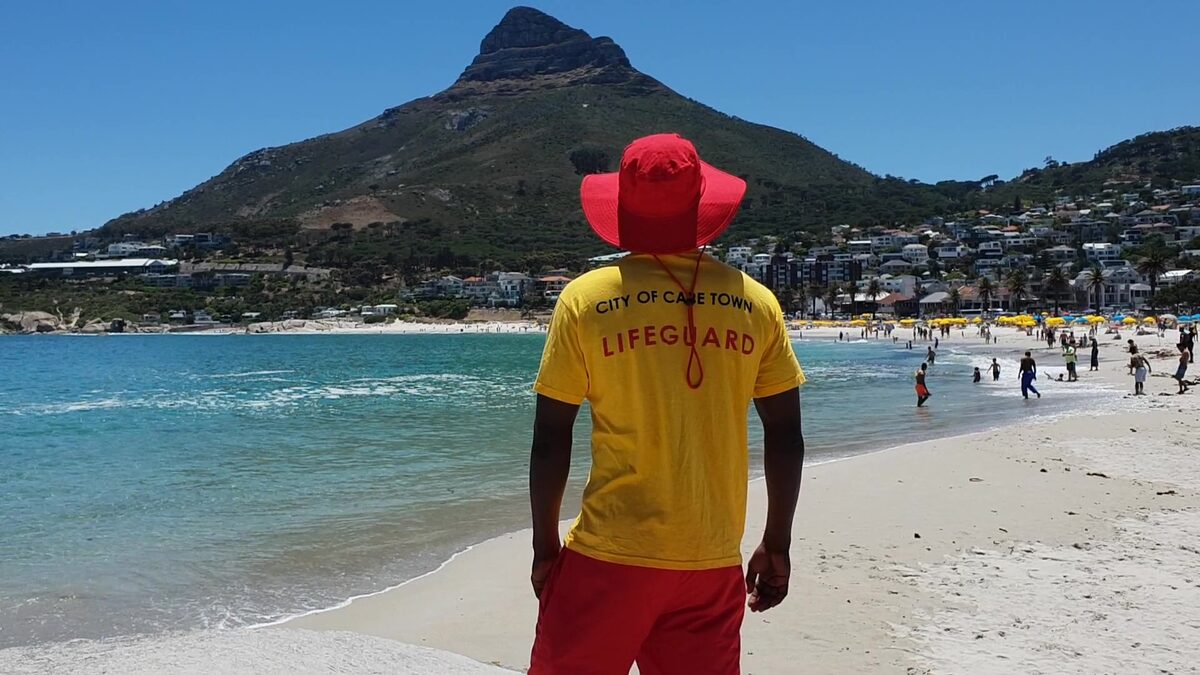


With the possibility of heatwave conditions still expected this summer season, beaches remain full – the past weekend was no exception as thousands of residents flocked to beaches in the city.
The City of Cape Town has recorded a staggering 39 non-fatal drownings this season, with 14 of these occurring the past weekend.
According to Mayco member for community services and health Patricia van der Ross, these were successful rescues where patients would otherwise have lost their lives if not for the interventions of first responders and emergency services.
One teenager from Atlantis who was rescued and reported on in last week’s TygerBurger (‘Soaring swells hit coast’, 26 January), died in hospital.
The teenager had been swept across the ocean to the spot in front of the lifeguard tower where his lifeless body was recovered from the water, where he was later taken to the hospital.
Talking to one of the lifeguards at Melkbosstrand, he says adult supervision is of utmost importance.
“We regularly see children especially teenagers coming to the beach unsupervised and with friends. They usually go in too deep and we always have to keep an eye on them. I urge all parents not to send their children to the beach alone or without adult supervision,” he says.
The City says a mammoth 184 help-outs were performed by City lifeguards this weekend, in addition to the countless preventative actions taken by them prior to a rescue being required.
Additional rescues were also performed by voluntary lifeguards from the 15 lifesaving clubs in Cape Town and the NSRI members from their base and satellite stations on duty around the coast.
“We thank these brave souls for putting their lives on the line to help others, amid some very challenging conditions and packed beaches. Unfortunately, two fatal drownings occurred on Sunday 23 January – one at Strand Beach and the other at Sonwabe Beach. In both cases, the patients were adult males who lost their lives. The City conveys its deepest sympathies to the families of the deceased,” Van der Ross says.
The City recorded 15 fatal drownings between September 2021 and 23 January 2022 with 39 lives that were saved and recorded as non-fatal drownings over the same period.
In most of these cases, the victims had been swimming outside of designated bathing areas, on unguarded beaches or outside of lifeguard hours.
The City says there is ongoing public communication and awareness on how to avoid the risk of accidental drowning. The most common causes for drownings are:
- Swimming in isolated areas where lifeguards are not present and where the likelihood for rip currents occuring is high;
- Rip currents are deceptively dark and calm-looking patches of the ocean and, when viewed from a distance, appear to have no waves but are powerful channels of fast-moving water. Swimmers caught in rip currents instinctively try to swim back to shore against the current, but in most cases, the current is too strong (even for well-seasoned/ professional swimmers). The risk of drowning quickly escalates as the swimmer becomes fatigued. The only way to avoid rip currents is to swim between the lifeguards’ red and yellow flags designating the safest bathing area;
- Drinking alcohol and swimming under the influence. Alcohol is not allowed at beaches and municipal swimming pools and the City places signage and educational posters at key locations to advise on the dangers of ignoring these rules. Alcohol can make you misjudge your own swimming abilities, slow down the body and physical reactions whilst swimming or even reduce the effectiveness of CPR;
- Leaving children unsupervised near water.
Children under the age of 15 are statistically at greater risk of drowning than any other age group of individuals. It is critical that parents and caregivers actively supervise children around water, and ensure that minors do not venture out of sight when in their care.
“Swim safety should be everyone’s responsibility and if the public play an active role in their personal safety and all services play their part, it is possible to achieve the City’s drowning prevention vision,” Van der Ross says.