
CAPE TOWN – From a warm meal to a safe space for healing, support is helping thousands of South Africans navigate hunger, inequality and violence, with the Kolisi Foundation reaching more than 126 000 people in the second quarter of 2026.
The Kolisi Foundation, founded by Siya and Rachel Kolisi, is a proudly South African philanthropic organisation working to address the root causes of inequality through programmes focused on food security, gender-based violence prevention and response, and education and sport.
The foundation’s latest Q2 Impact Report highlights continued delivery across its three core focus areas, with key achievements including support to 37 community kitchens, the provision of more than 250 000 meals, continued investment in programmes for children and young people, and strengthened survivor-centred GBV prevention and response services.
Partnerships at the heart of change
According to Mahlatse Mashua, managing director of the Kolisi Foundation, the Foundation’s work remains grounded in long-term partnerships with organisations that are already embedded in communities.
“Meaningful impact is built through trust, consistency and collaboration,” says Mashua. “Our role is to walk alongside community-based partners who understand the realities on the ground, and to strengthen their ability to respond to immediate needs while contributing to sustainable change over time.”
The Q2 Impact Report shows that the foundation’s food security work remained a critical pillar of support for communities facing hunger and economic pressure. During the quarter, the foundation continued its support to community kitchens across four regions, provided breakfast support to six primary schools in Zwide, trained school food preparers in food safety and nutrition, and strengthened monitoring and reporting systems.
These interventions were complemented by ongoing learner health monitoring through the Siyaphakama Zwide Schools programme. Assessments conducted across five participating schools found that none of the 377 learners assessed were classified as underweight.
Building stronger pathways
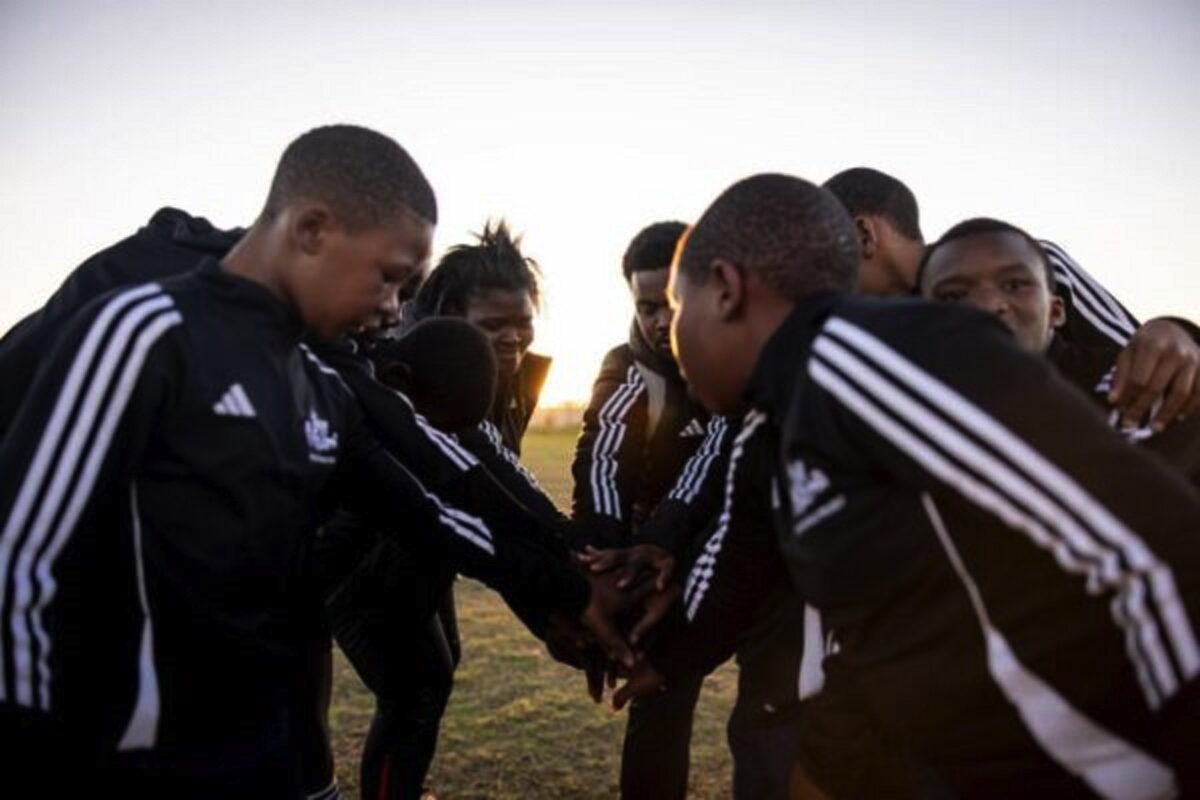
The foundation’s education and sport development programme continued to support developmental pathways from early childhood through adolescence. This included expanded early childhood development support, educator training, literacy and numeracy recovery through a partnership in Nyanga, and the continued implementation of the Siyaphakama Zwide Schools Programme, which integrates sport, nutrition and youth development. Female coaches now make up 57% of the Siyaphakama coaching workforce, reflecting continued progress in creating leadership opportunities for young women.
In its gender-based violence programme, the foundation continued to expand access to support by strengthening referral pathways, psychosocial services, counselling, survivor support and prevention initiatives engaging men and boys. The report notes 2 041 counselling interventions, 5 443 women screened for GBV, 84 healthcare workers trained, 233 men and boys engaged, and increased usage of the Foundation-supported 24/7 GBV helpline, particularly via WhatsApp.
“These numbers represent more than programme activity,” says Mashua. “They reflect people accessing meals, children participating in safe and supportive learning environments, survivors being connected to care, and community partners being better equipped to continue the work. That is the heart of the Foundation’s purpose – changing the stories of inequality, one by one.”
ALSO READ: Every Step Counts: Cape Town’s Blisters for Bread walk fights childhood hunger
The Q2 Impact Report also reflects the foundation’s continued focus on organisational development, including strengthening programme quality, deepening collaboration and strategic partnerships and building stronger systems for accountability, impact measurement and data-driven decision-making.
As it moves into the next quarter, the foundation will continue to focus on sustainable pathways out of inequality, including the rollout of the Emirates Nourishment Programme, delivered in partnership with EPCR and Emirates, strengthened GBV referral pathways and expanded developmental pathways for children and youth.
“None of this work happens in isolation,” adds Mashua. “It is made possible by the commitment of communities, implementing partners, donors and supporters who continue to believe in the possibility of thriving communities across South Africa.”