

Following the discovery of the destructive Polyphagous Shot Hole Borer beetle in Durbanville in January, the City of Cape Town in a bid to limit the spread into the neighbouring suburbs of Kraaifontein and Brackenfell urges residents with trees on their properties to attend a vitally important community meeting to learn more about the invasive beetle that is threatening Cape Town’s urban forest.
Hosted by the City’s Invasive Species Unit the session will take place in the Kraaifontein library hall tomorrow evening (Thursday 27 March) from 17:00 until 19:00, and will focus on how to identify infested trees and what symptoms to look out for. Residents will be informed as to what to do and not to do while handling the infested wood, and how to safely dispose of it.
According to the City, experiences in California, Israel, and closer to home in Gauteng, have shown that the beetle can easily spread across suburbs if extra precaution is not taken.
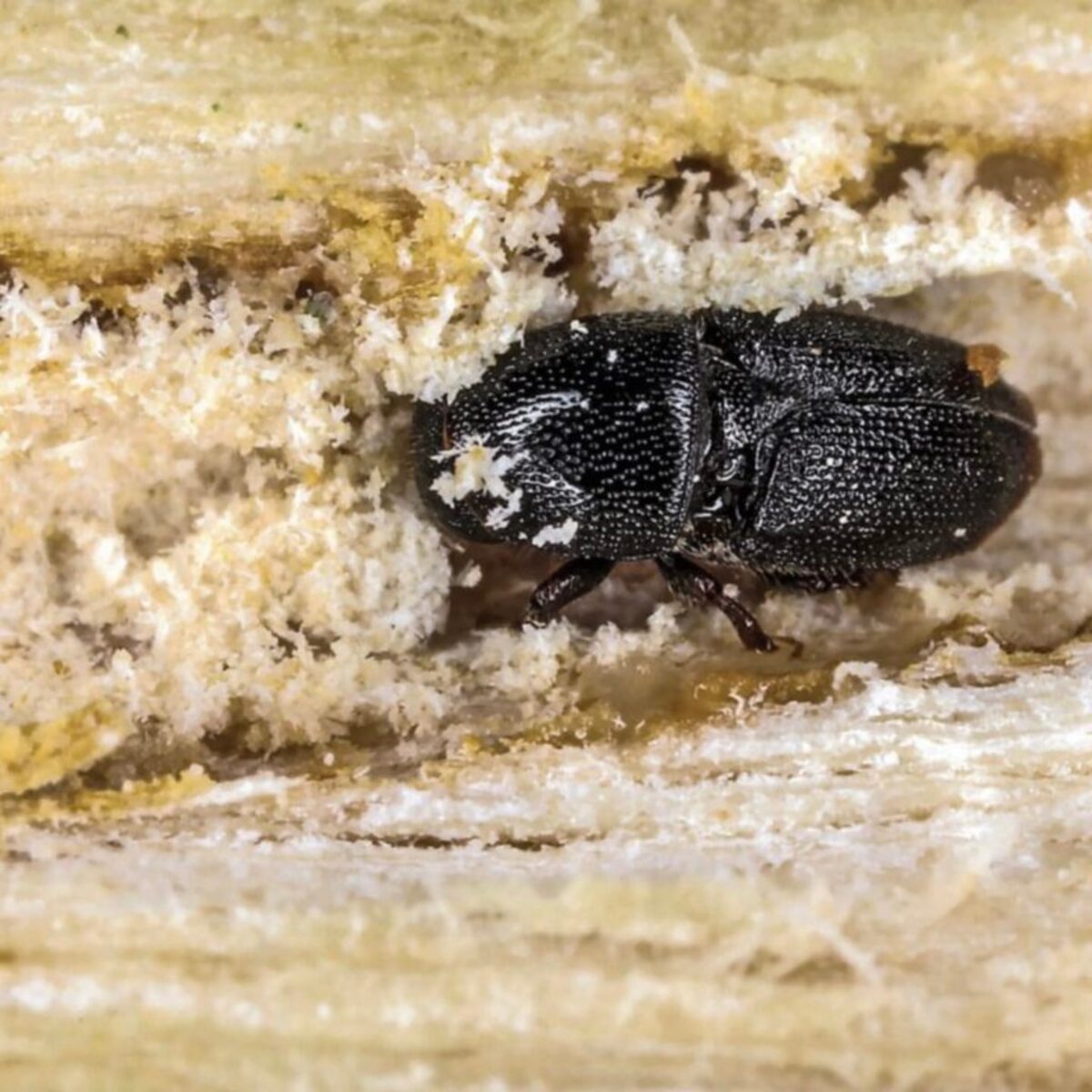
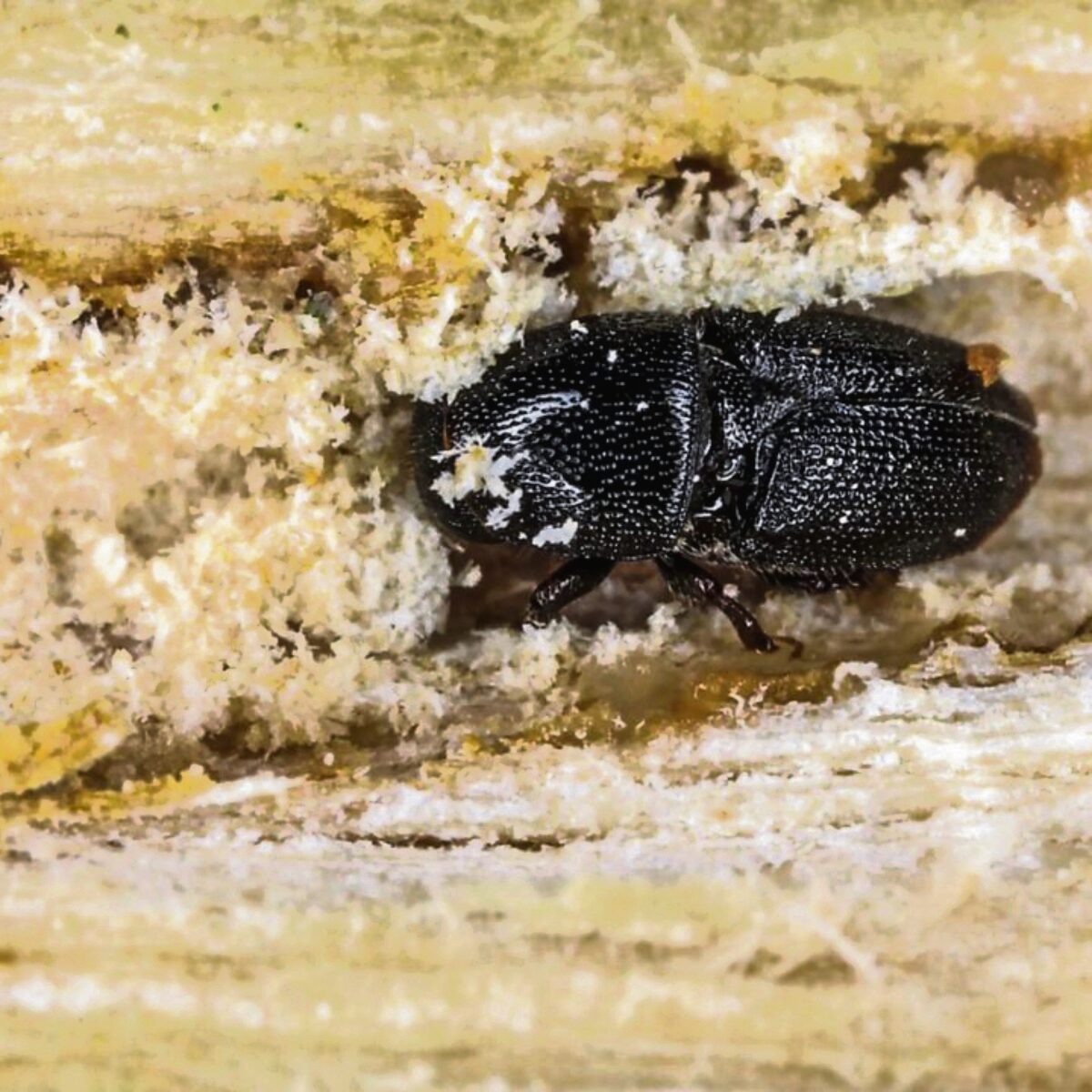
“Apart from infected wood, the 2mm big borer beetle can also spread through clothing, vehicle crevices, or unclean horticultural equipment. The movement of infested wood is an important pathway for the spread of the beetle. Appropriate disposal of infested trees – by chipping and then incineration, solarisation, or composting – is therefore essential for reducing the spread of the pest,” says a City spokesperson.
Threatening trees across SA
According to information released by the City in 2023, the beetle, the size of a sesame seed, and its symbiont fungal partner are threatening trees across South Africa.
Native to Southeast Asia, it was first discovered in South Africa in 2017 on London plane trees in KwaZulu-Natal’s National Botanical Gardens in Pietermaritzburg.
First spotted in Cape Town in Somerset West in 2019, the beetle is invading and poses a threat to exotic and indigenous trees across South Africa, its most likely pathway through the movement of infested wood, originating from dead or dying infested trees.
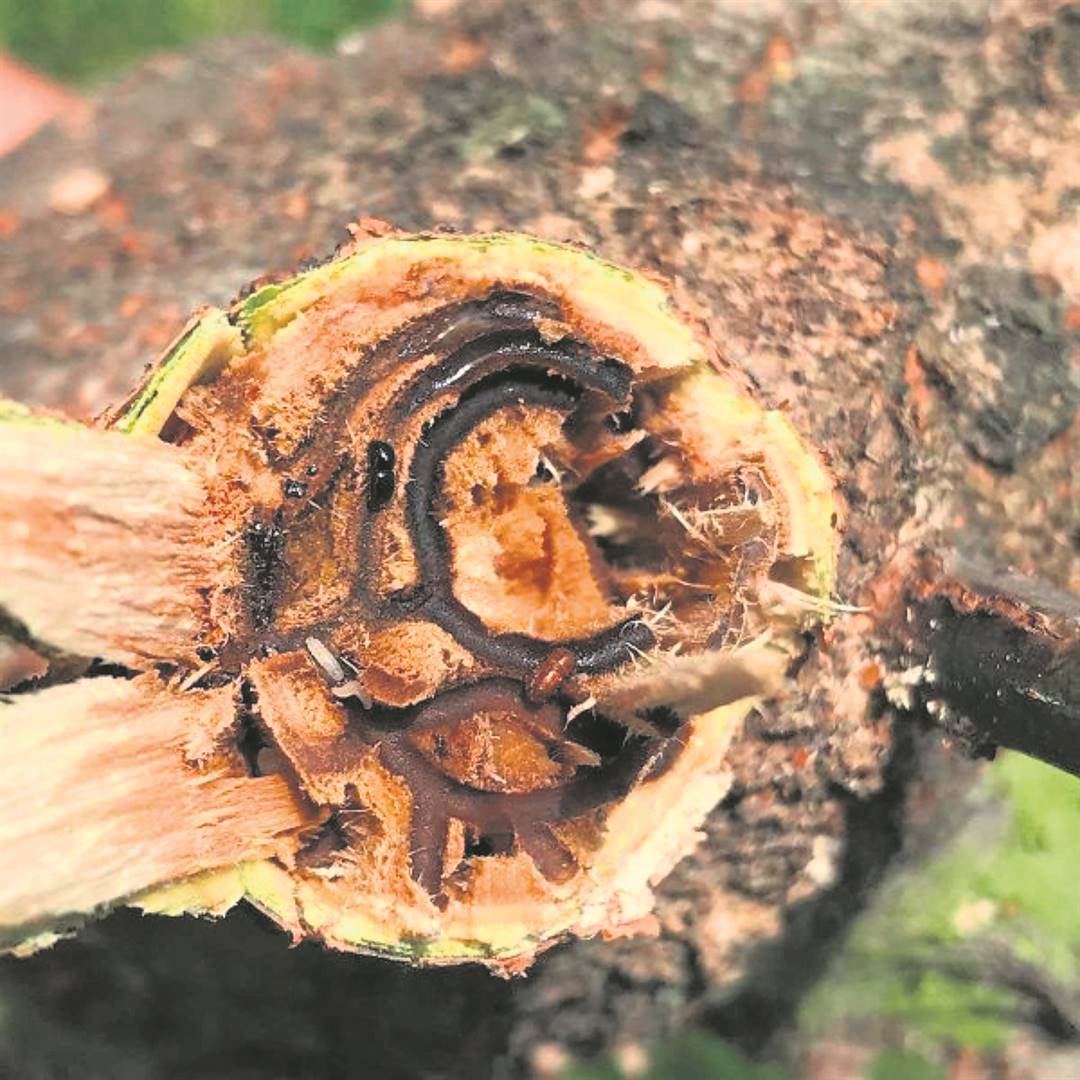
The female beetle carries with her three species of fungi, including the pathogen, Fusarium euwallaceae.
The adult females burrow into trees to establish brood galleries where they lay their eggs. They introduce the fungus which colonises gallery walls, becoming a food source for developing larvae and adult beetles. The fungus kills the water conducting tissues of the tree and can lead to branch dieback and eventually causes the tree to die.
Alien trees infested to date include London plane trees, Liquidamber, Japanese maples, Chinese maples, pin oaks, and English oaks, while indigenous trees invaded to date include the Coast Coral tree, Forest Bushwillow, and the Cape willow.
In response to the invasive pest, the City’s invasive species unit, in cooperation with the City’s parks department, local arborists and the country’s top entomologists, developed a Polyphagous Shot Hole Borer Beetle protocol which prescribes the best practice for how to remove and dispose of trees infested with the beetle.
This protocol, is useful for identifying, pruning, cutting down, removing and disposing of infected wood. The use of pesticides and fungicides have a limited effect. T
hese may reduce the rate of recolonisation in lightly infected trees, but have not proven effective at eradicating the borer beetle from infected trees.
Training session
The City’s deputy Mayor and Mayco member for environment, Eddie Andrews, in a media statement on Friday said it is the City’s goal to reach as many residents as possible to curb the environmental threat.
“We urge all private landowners to inspect the trees on their properties for any symptoms of infestation and to contact us immediately if any signs are detected. We are extremely concerned about the latest sighting and need the assistance and cooperation of residents and businesses working with plant material,” the City’s deputy Mayor and Mayco member for environment, Eddie Andrews, said in a media statement on Friday.
“To date, no single solution has been identified and the best management approach is still to reduce beetle numbers by physically removing highly infested reproductive host trees.
“Researchers from the Forestry and Agricultural Department and University of Pretoria are working to identify and test viable biocontrol agents. Residents are welcome to contribute any evidence-based information on potential solutions with accompanying data.”
At this point the City cannot confirm the number of infested trees in the Durbanville area as a whole as surveys are currently underway, but elsewhere the latest statistics show that over 400 trees were infested in the southern suburbs, and more than 5 700 in the Helderberg area.
In Penhill, Eerste River, to date 26 trees have been infested.