
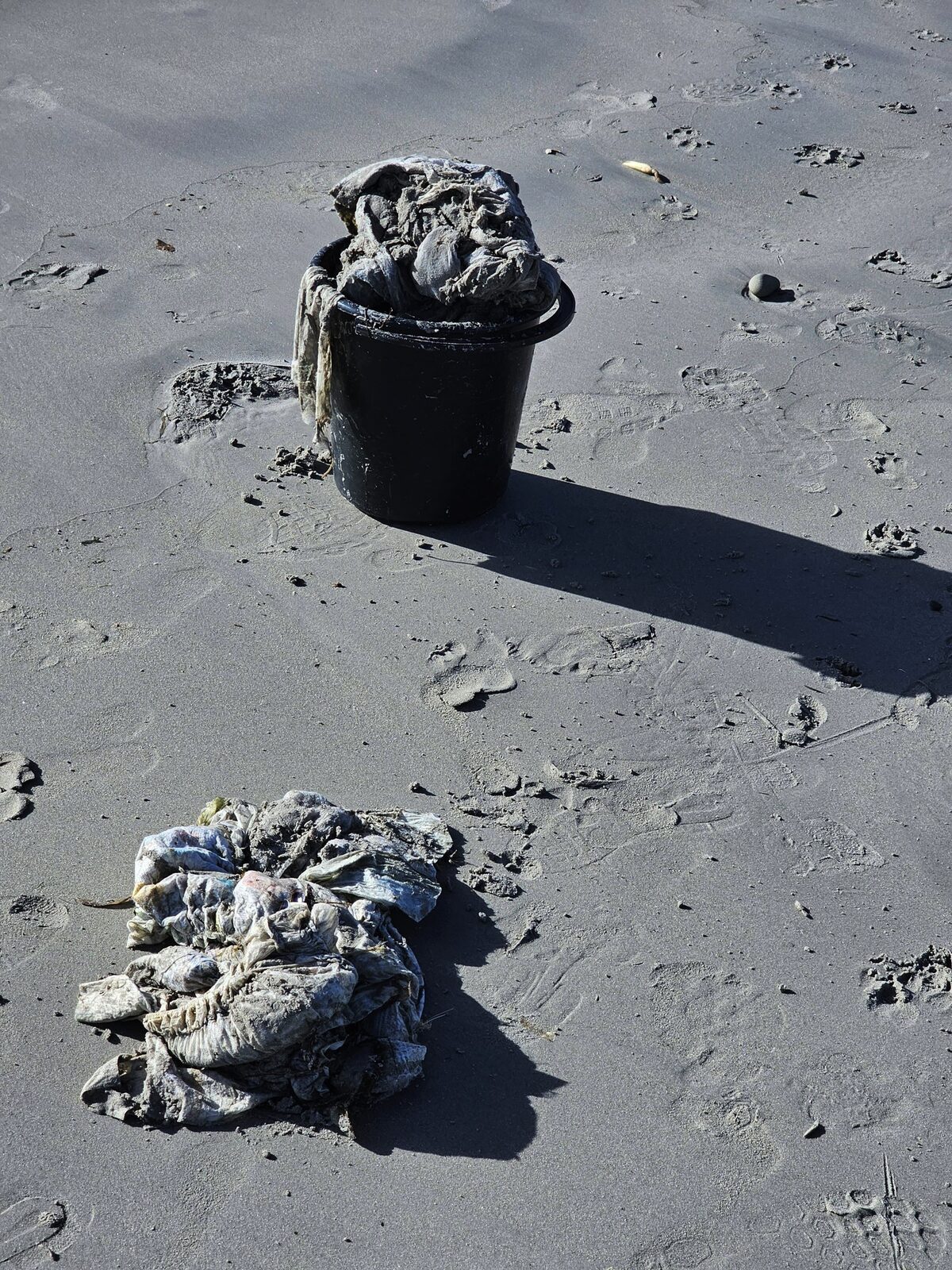
CAPE TOWN – Beaches along Cape Town’s coastline are once again being littered with hundreds of discarded disposable nappies, raising alarm among environmental groups and community volunteers.
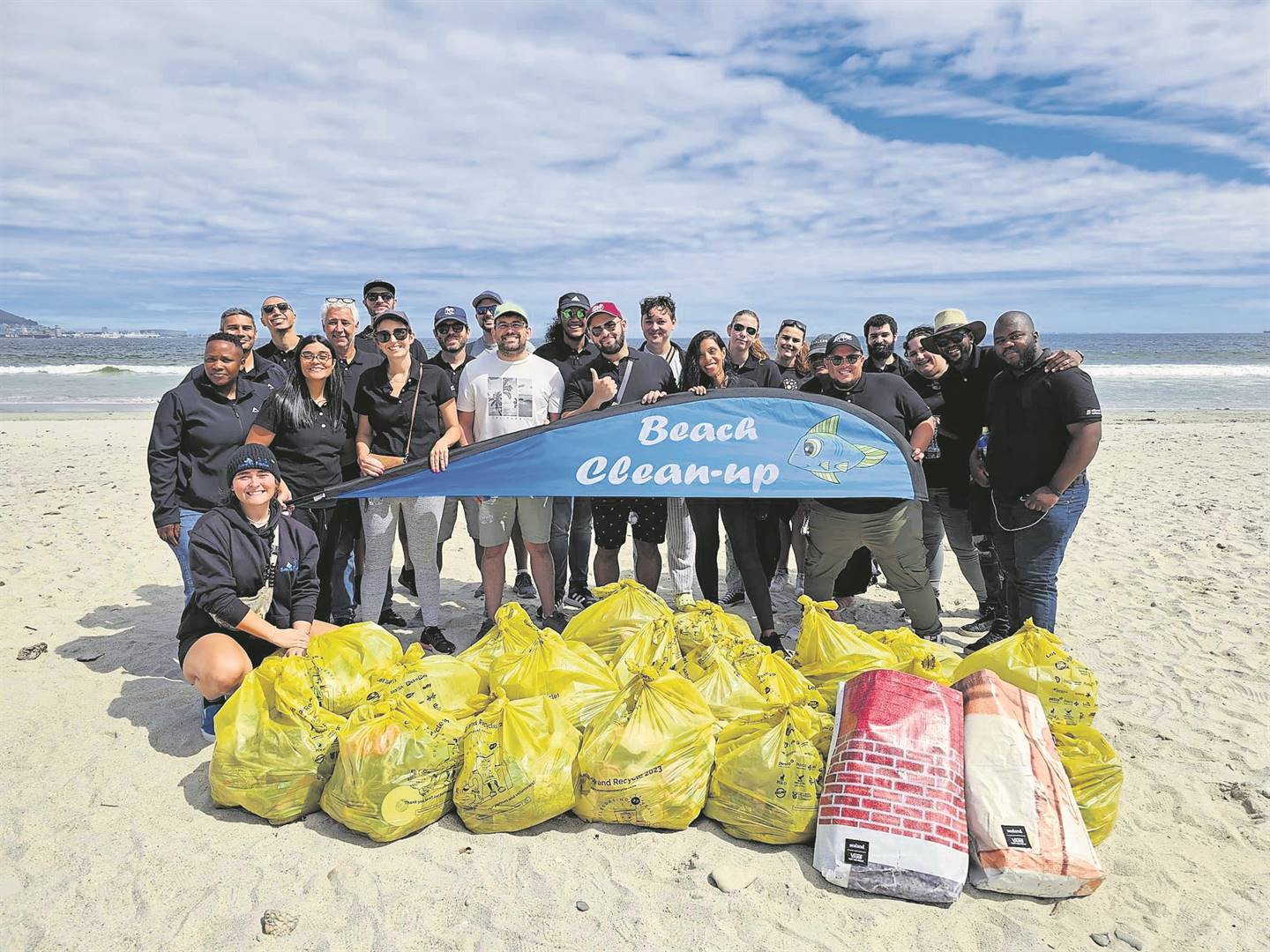
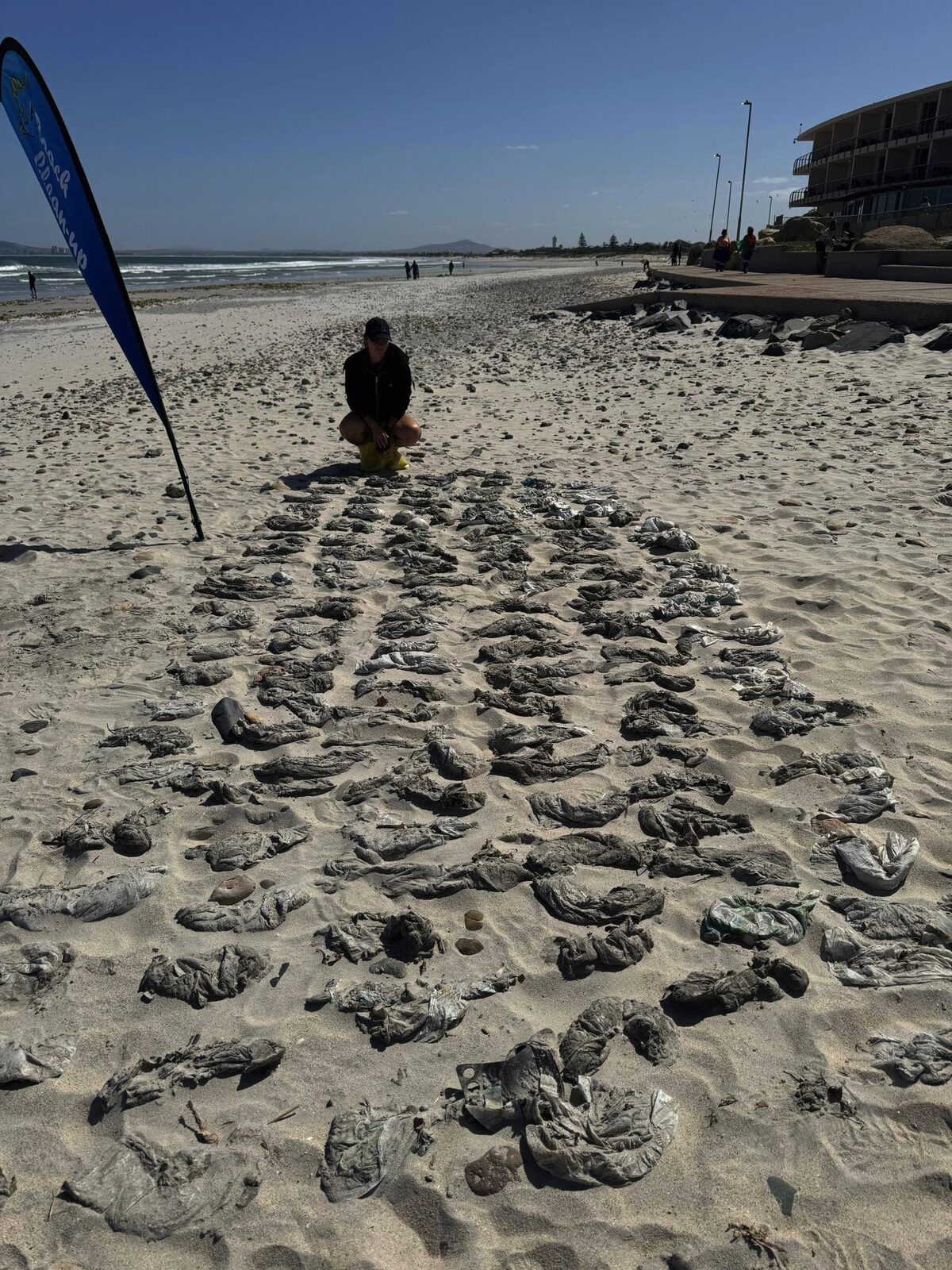
At a recent clean-up at Lagoon Beach in Milnerton, hosted by Save a Fishie, volunteers removed 187 disposable nappies in just over an hour. According to organisers this is not an isolated incident, but part of a growing and deeply troubling trend across rivers, estuaries and coastal areas.
READ MORE: https://novanews.co.za/tygerburger/100-nappies-found-at-lagoon-20240312-2/
A pattern that won’t go away
Environmental advocacy group Water Quality Awareness said the problem reflects a larger failure in waste management and producer accountability. Product designer Jamii Hamlin described the situation as one of the most disheartening aspects of modern consumer culture.
“The convenience of a throwaway lifestyle and the escalation of waste destined for landfill or flushed into the sea has become my greatest disillusionment.” She recalled a coastal clean-up on Robben Island in 1999, where 22 000 pieces of rubbish were collected, a moment she described as her environmental “eureka” that shifted her focus towards sustainable product design.
A long-term pollution threat
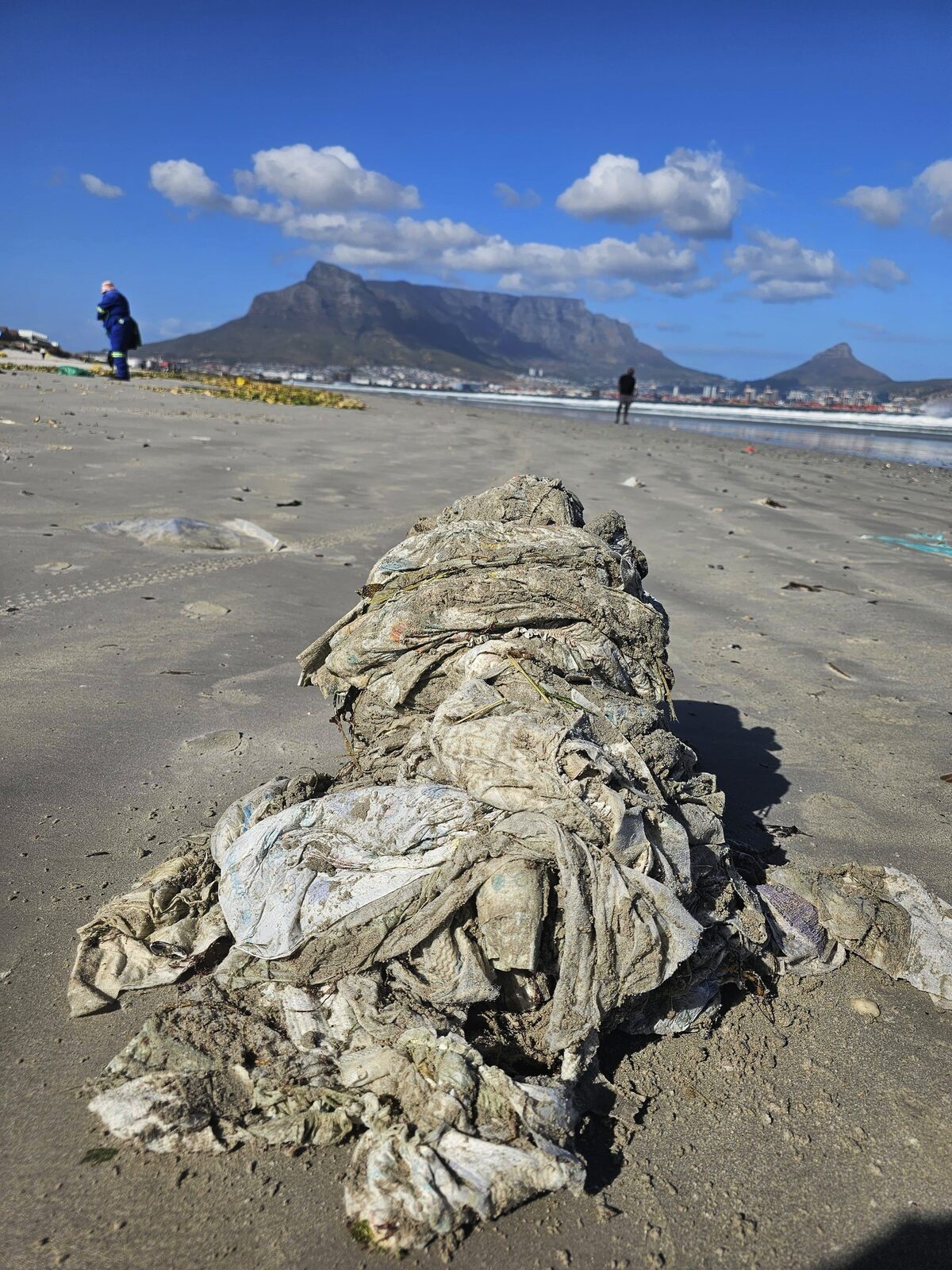
Disposable nappies are made from complex materials, including plastics, elastic, adhesives and super-absorbent polymers. They do not biodegrade. Instead, they break down into microplastics that enter marine ecosystems and potentially the human food chain.
Environmental groups argue that while consumers must dispose of waste responsibly, the scale of nappies entering waterways points to systemic issues, from inadequate waste services to insufficient producer responsibility.
A call to manufacturers
Following the Lagoon Beach clean-up, Save a Fishie issued an open letter to major disposable nappy brands calling for stronger action. The organisation is urging manufacturers to:
- Support regular beach, river and wetland clean-ups.
- Invest in public education campaigns on proper disposal.
- Explore take-back schemes and lower-impact product alternatives.
- Strengthen Extended Producer Responsibility initiatives with measurable outcomes.
“If your logo is on our beaches it’s time your support is too,” the letter states. Founder Zoë Prinsloo emphasised that the issue was not about blaming parents and caregivers.
“This is about systems that fail people and the environment,” she said. “What leaves our homes doesn’t disappear; it flows downstream.”
Advocates say City leadership is aware of the strain that non-biodegradable waste places on sewage systems, landfills and biodiversity. But they argue that stronger enforcement, better infrastructure and greater producer accountability are urgently needed.
Cape Town has repeatedly been recognised for its natural beauty and biodiversity. However, activists warn that maintaining that reputation requires decisive action.
“The ocean cannot opt out of this problem,” Prinsloo said. “Communities cannot clean up indefinitely. Producers must be part of the solution.”