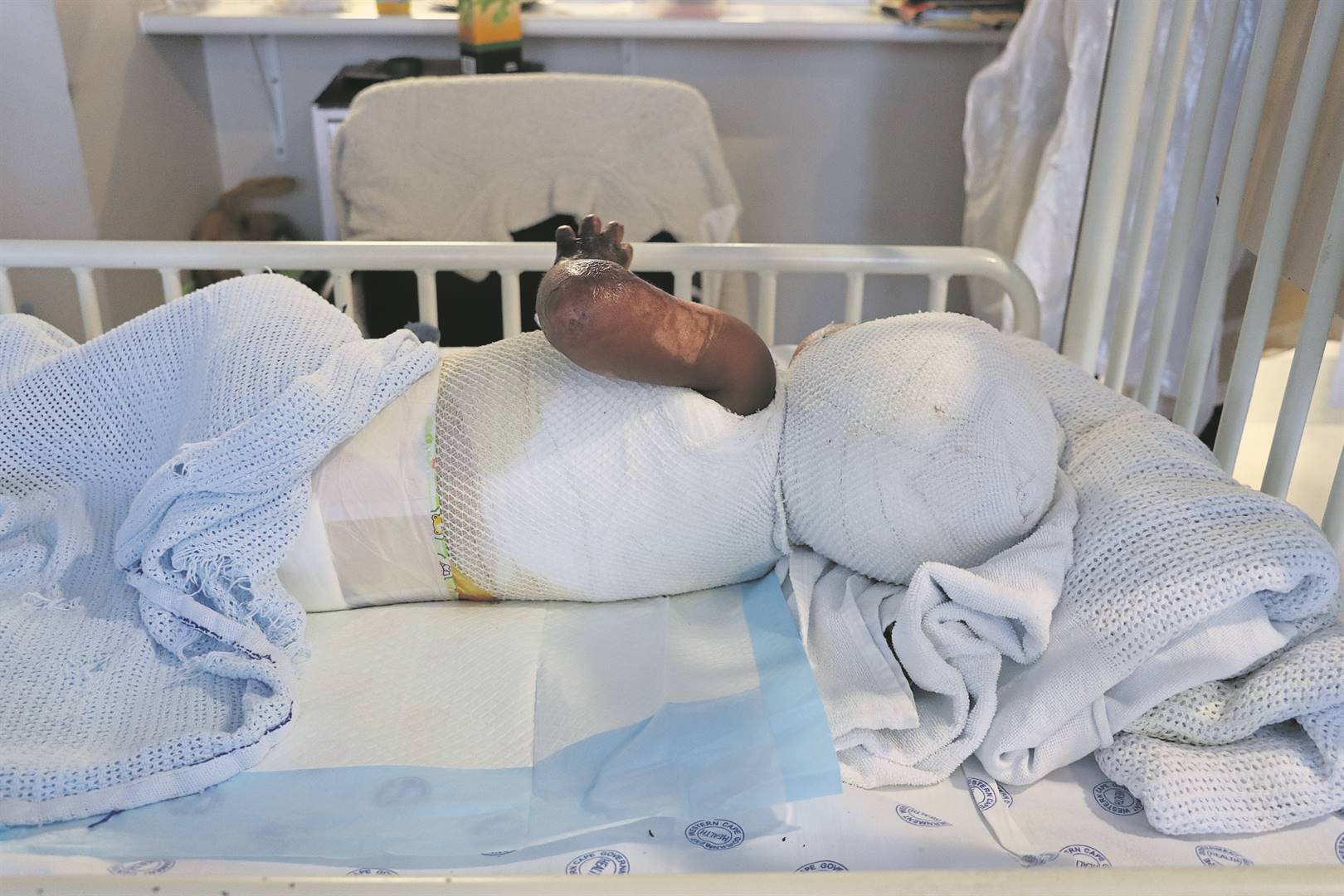

The month of May is also the month in which National Burn Awareness Week is marked.
TygerBurger asked a local medical expert recently what the common causes are of burn wounds, and what people can do to prevent sustaining burn wounds.
“The most common cause of burn wounds is hot fluid injuries in children, usually five years or younger.
“Flame burns cause the most burn injuries in adults, followed by hot fluids. Up to two-thirds of burns of adult injuries at Tygerberg Hospital is as a result of intentional injuries, while less common injuries are caused by electrical and chemical burns,” explains Dr Wayne Kleintjes, plastic and reconstructive surgeon and head of the Western Cape Adult Provincial Tertiary Burns Unit at the Tygerberg Hospital.
There are, however, ways to prevent these burns from potentially occurring, he says.
“It is always best to avoid or prevent burn injuries. Since the majority of burn injuries are in children, parents should pay special attention to risks at home, particularly in the kitchen where the majority of burns tend to occur.
“Boiled water, kettles and their cords should be kept out of reach of children. Supervision of young children is important.
“Checking the temperature of bath water using a finger is advisable instead of just jumping in. Teaching children how to test water temperature safely is important.
“Adults should be careful when handling hot fluids around children. They can quickly grab and spill hot fluids.
“Candles and gas stoves on the ground can cause flame burns. Making sure fires are extinguished with water will reduce the heat in coals that can otherwise cause flame burn injuries many hours later,” explains Kleintjes who is also the president of the South African Burn Association.
In the event of a burn, it is important to know the basic first aid.
“For flame burns: stop, drop, roll and cool. For hot fluid burns, chemical and electrical burns remove the heat source and cool.
“There is no substitute for early cooling after the burn – within the first four hours, immediate is the best. It prevents the wounds from going deeper and prevents hospital admissions and the need for skin grafts. It is very simple and very important. Running cold tap water for 20 to 30 minutes is good. Usually, when the pain in the wound does not return all the latent heat is removed and this indicates that the wound has been cooled long enough.
“Watch out for hypothermia – body temperature too low. Adults shiver when they are cold and this response is absent in young children,” Kleintjes says.
National Burn Awareness Week was celebrated between 6 and 12 May.