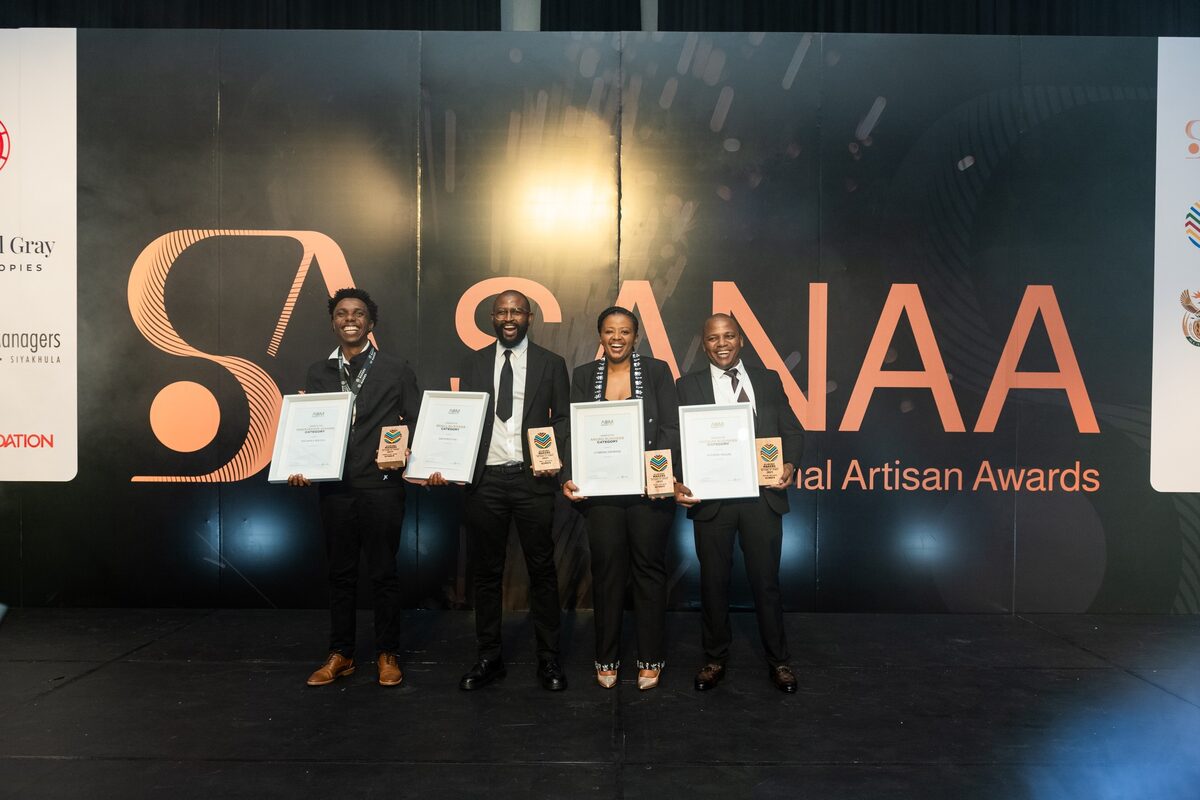

The South African National Artisan Awards (SANAA) 2026 is proud to announce the finalists who have advanced to the national stage of South Africa’s leading artisan recognition programme.
Changing identity
They will be recognised and celebrated for their excellence at the SANAA 2026 Awards Ceremony, taking place on 5 September 2026. Held under the theme “Changing Artisanal Identity and Status,” this year’s awards seek to challenge perceptions of artisans by recognising them as skilled innovators and entrepreneurs who play a vital role in driving economic growth in South Africa’s future.
Selected from across the country, these artisans have demonstrated exceptional skill, professionalism and commitment to their trades. Finalists were chosen through a rigorous adjudication process involving industry experts and sector stakeholders. The South African National Artisan Awards recognise excellence across key trades, including engineering, automotive, construction, electrical, plumbing and mechanical disciplines. The programme also celebrates outstanding TVET college graduates entering the workforce.
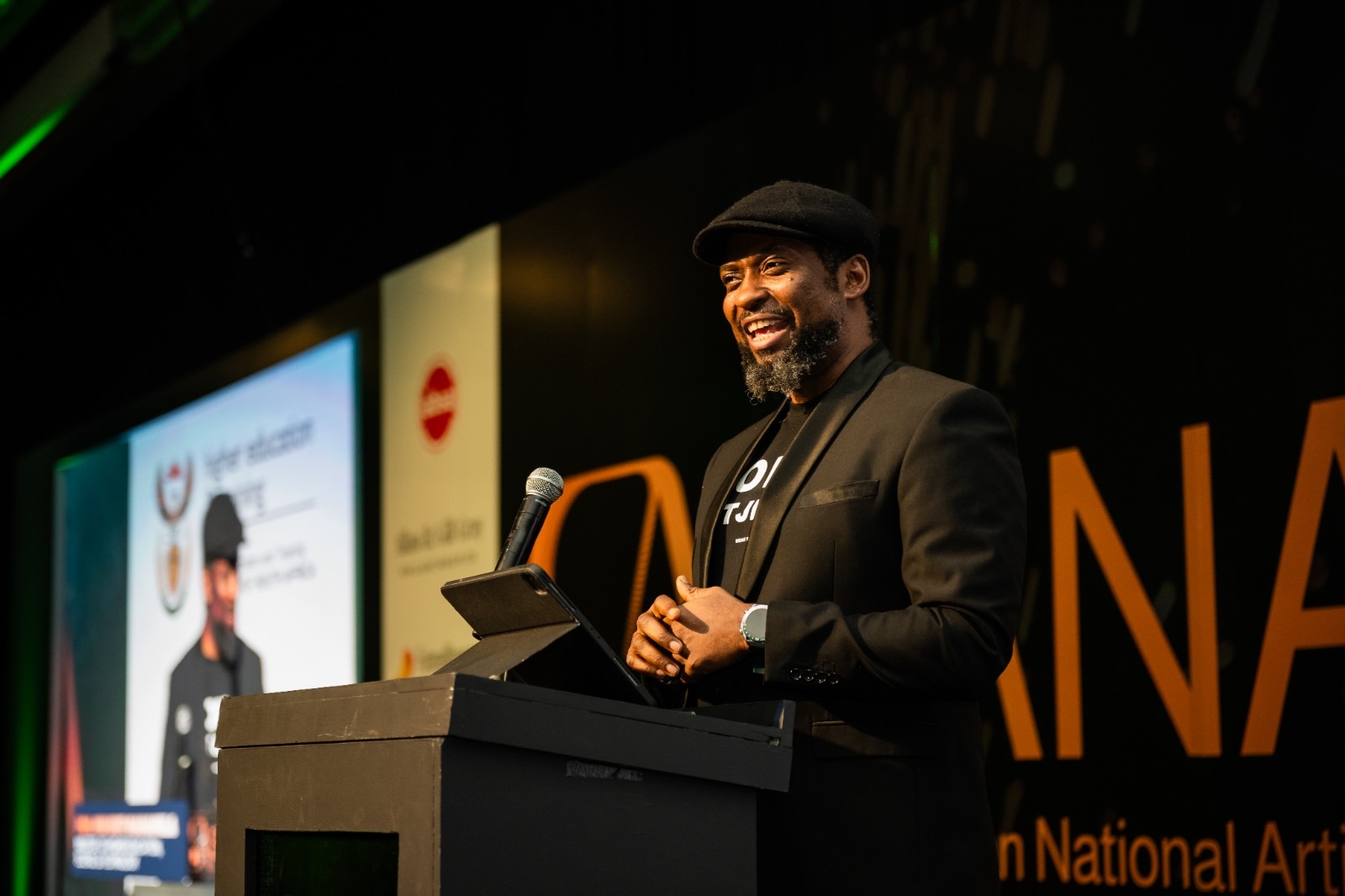
Minister of Higher Education and Training, Buti Manamela says through Department of Higher Education and Training (DHET), they have worked with TVET colleges, SETAs, the National Artisan Moderation Body, and private sector partners to expand artisan training and accelerate artisan production. “Changing Artisan Identity and Status is not just a theme — it is a call to action. It means reshaping societal attitudes so that artisans are respected as builders of nations, innovators, and drivers of industrialisation and local economic development,” says Manamela.
The DHET, which leads the South African National Artisan Awards, remains committed to expanding artisan development and strengthening skills training across South Africa. Working with industry, employers, TVET colleges, SETAs and other stakeholders, DHET continues to support the development of qualified artisans and promote opportunities for workplace learning and career growth.
Engineering
Reece Curtis is a Mechanical Fitter from Northlink and says his journey began in a machine shop. “I began my career as an assistant in a machine shop, where I worked mainly with turning operations. This experience introduced me to the fascinating world of engineering and helped me understand just how broad and full of opportunity the industry is. After a year, I decided that pursuing an apprenticeship would be in my best interest. I wanted to become one of the skilled artisans I had grown to respect and build a meaningful career founded on practical knowledge and professional excellence,” Says Curtis. “To me, being an artisan is not only about accuracy. It requires an unwavering commitment to safety, respect, flexibility and the dedication to improve every day. A great artisan continually develops their craft, because believing that there is nothing more to learn can prevent growth.”
He says his journey has included financial difficulties. “Throughout my apprenticeship and much of my life there was difficulties, however, everyone encounters obstacles, and these challenges strengthened my resilience and determination to keep moving forward. I strive to make a positive impact at every company where I work. Before I retire, I want to pass the experience and knowledge I have accumulated to young people, helping them develop their skills and become the next generation of excellent artisans,” he says.
Vaughn Andrew Stephanus (fitter and turner) says his motivation to become an artisan comes from strong interest in mechanical systems, problem-solving and working hands-on with machinery. “I enjoy understanding how equipment operates, identifying faults and developing practical solutions that restore its safe and reliable performance. Being a Fitter and Turner gives me the opportunity to continuously strengthen my technical knowledge and practical abilities. It challenges me to work with precision, think critically and approach every task with patience and responsibility.
Workmanship
“To me, being an artisan means taking pride in delivering safe, reliable and high-quality workmanship. It is about continually developing my skills and applying them professionally to ensure that machinery and equipment perform as intended. I take pride in solving mechanical problems through safe, reliable and high-quality workmanship,” he says.
ALSO READ: Artisans of Mzansi competition opens with R200 000 up for grabs