

A person’s teeth could hold important clues about their history of drug use, long after substances have disappeared from their blood or urine, according to new research from the University of the Western Cape (UWC).
Forensic investigations
The findings could open up new possibilities for forensic investigations, particularly in cases involving unidentified or decomposed bodies where conventional drug testing may no longer be possible.
The research was conducted by Dr Jami Smith-Jacobs, a dentist, clinical teacher, and master’s graduate from UWC’s Faculty of Dentistry. She investigated whether dentine, the hard tissue beneath the tooth’s enamel, could preserve evidence of drugs such as methamphetamine, also known as tik, methaqualone (mandrax), and heroin.
The study found that tik was detected in 95% of the dentine samples analysed, while mandrax was detected in 81% despite users reporting having stopped using these drugs 12 months earlier. Heroin and its metabolites were not detected.
ALSO READ: UWC lecturer receives commendation at national awards
Unlike blood and urine, which have limited detection periods, hard tissues such as teeth are more resistant to chemical and biological breakdown. Dr Smith-Jacobs argues that although scientists are increasingly exploring the use of unconventional tissues to detect drugs, very little research has focused specifically on teeth and dentine samples collected from living people, particularly in South Africa. Previous studies have also paid limited attention to drugs such as mandrax, unique to the South African population, leaving an important gap in forensic research.
Forensic toxicology plays an important role in investigating deaths and helps investigators understand patterns of drug use and whether substances may have contributed to a person’s death.
23 samples
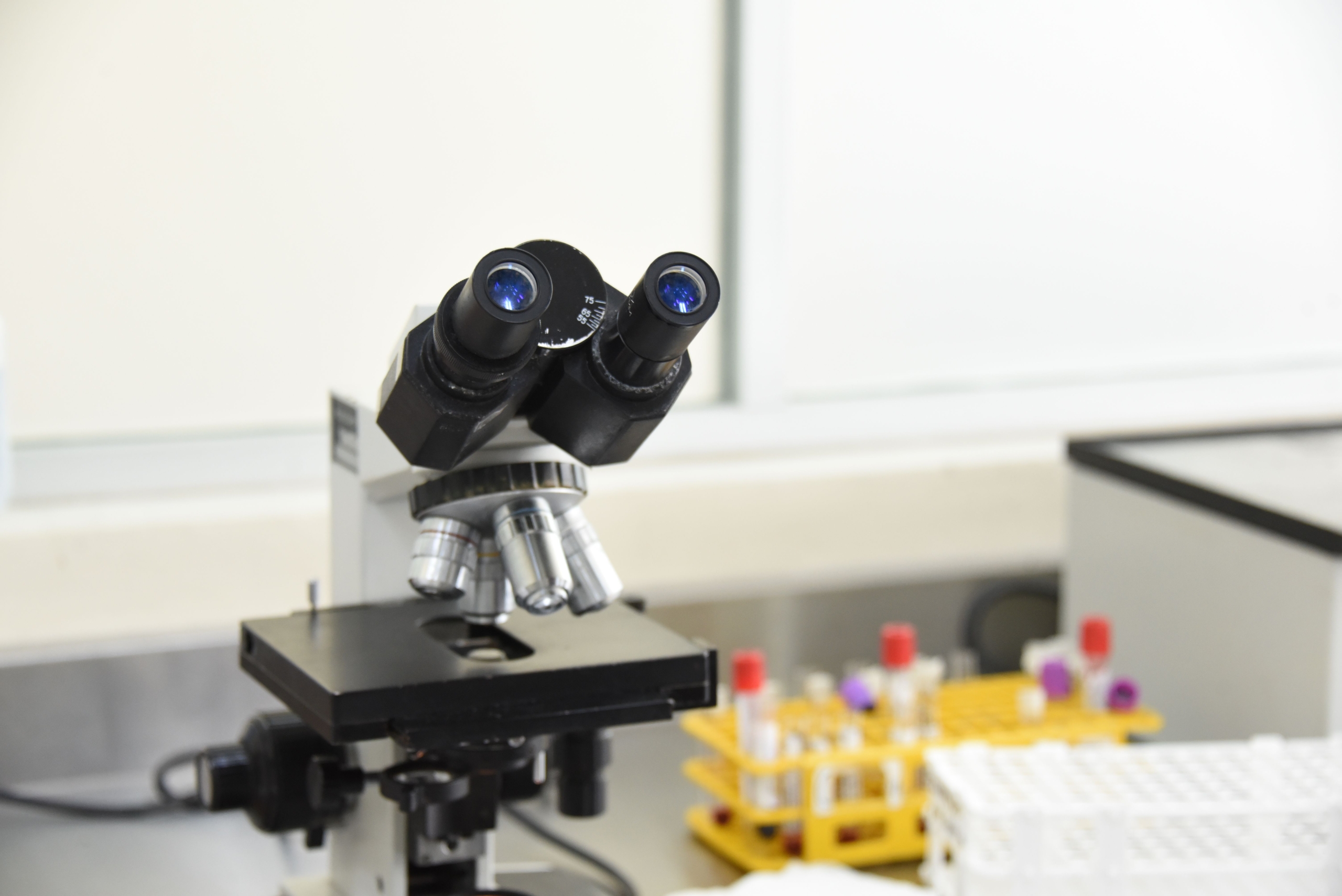
Extracted teeth from former and active substance users recruited through two rehabilitation centres were analysed using a sensitive laboratory technique known as ultra-performance liquid chromatography-tandem mass spectrometry, which can identify extremely small quantities of chemical substances within biological samples. A total of 23 samples were examined.
Smith-Jacobs notes that the research is particularly relevant to the Western Cape, where the widespread use of tik and mandrax remains a major public health and forensic concern, especially in poorer communities affected by drug-related crime and violence. The high prevalence of these drugs therefore makes it important to develop reliable methods of detecting these substances.
She added that the absence of heroin traces did not necessarily mean that participants had never used the drug. It could be because the body breaks down heroin very quickly, making it difficult to detect, or because of limitations in the laboratory testing methods.
“In cases involving decomposed or exhumed bodies, dentine may serve as a residual matrix for toxicological analysis when other matrices are unavailable. This highlights the relevance of dentine in a medico-legal context, in addition to post-mortem toxicology,” Smith-Jacobs said.
ALSO READ: Scholar examine the enduring legacy of colonial slavery