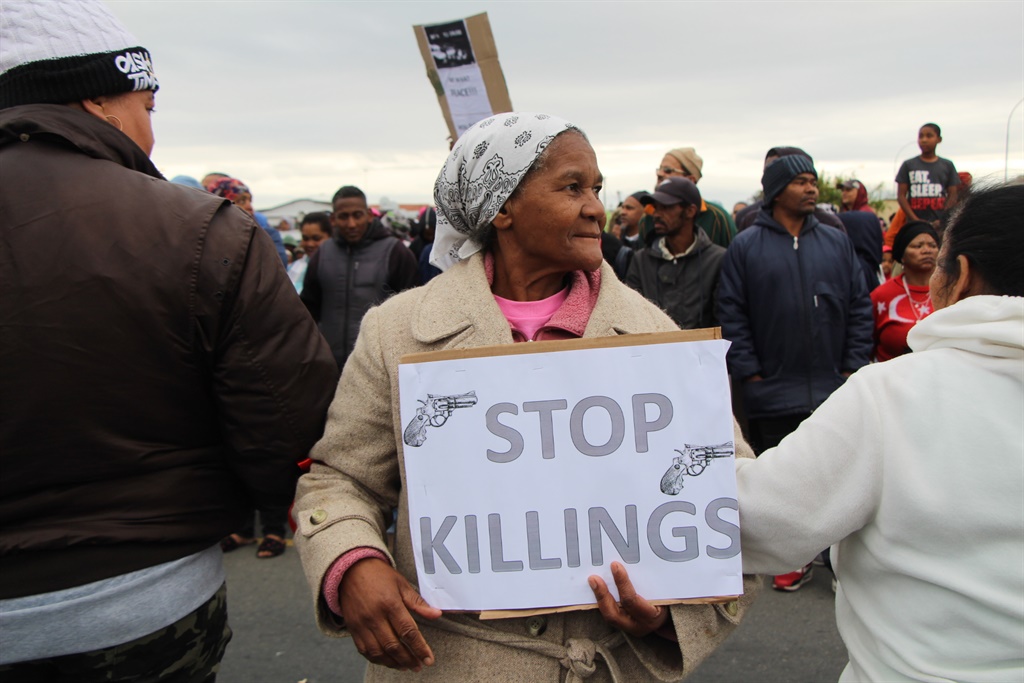

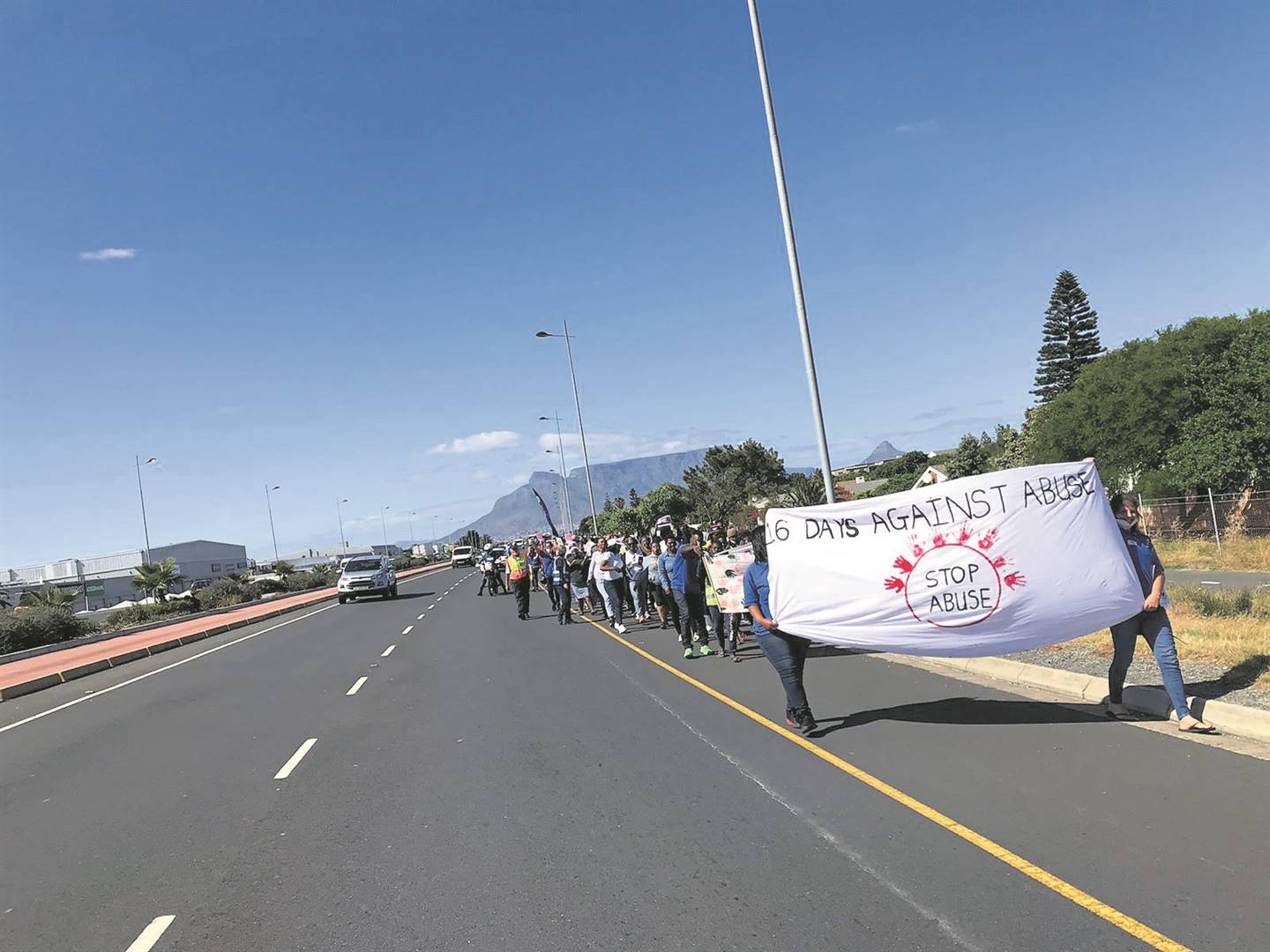
A peaceful picket to mark the start of the 16 Days of Activism campaign on Friday saw the streets of Table View and Milnerton packed with hundreds of women, children, men and the elderly – the biggest turnout yet in both areas.
The campaign kicked off with some action as the community came out in numbers with placards and hooting cars, all in the hope of raising awareness for no violence against women and children.
The march in the Table View precinct started from the police station all the way to Church on the Rise in Blouberg Rise.
The campaign takes place annually from 25 November (International Day of No Violence against Women) to 10 December (International Human Rights Day).
It focuses on raising awareness of the devastating impact that gender-based violence and femicide (GBVF) have on women and children, and the social fabric of our society.
The Table View Neighbourhood Watch (TVNW) joined hands with many wonderful NPO organisations within the community who have decided that “enough is enough”.
“We marched, we made noise, we made sure the community heard us. No more violence towards our young girls and women. No more violence towards our young boys and men. We will stand up and make sure that we are heard. Remember if you are a victim or you know someone who is a victim, something can be done. You can do something – we all can,” said Laura Outhet from the TVNW.
Abuse not always physical
Police spokesperson Capt Adriana Chandler said at the event abuse is not always just physical.
“It’s emotional, financial and psychological. And not always physical, remember that,” Chandler said.
Poems, music and prayer were incorporated into the programme at the church with various organisations participating.
Table View Community Policing Forum (CPF) Chair David Harris said the picket was the biggest turnout yet.
“We all have a responsibility towards our neighbour, family or friend. The silence must be broken,” Harris said.
Betz Maritz from Living Legends, a seniors club, highlighted abuse against the elderly and said seniors are also victims of abuse.
“Someone who joined us three months ago says she’s a nervous wreck because the lady whom she rents a room from is abusing her mentally. We walked the road with her and she is staying at a retirement village now,” Maritz says.
Tender love and Care (TLC) Outreach victims also spoke up about the abuse they faced in the past, and how TLC helped them through the whole ordeal.
Chandler encouraged everyone to speak up and break the silence.
- Listen to and believe survivors
Believe survivors. When a woman shares her story of violence, she takes the first step to breaking the cycle of abuse. It’s on all of us to give her the safe space she needs to speak up and be heard. Survivors of violence are speaking out more than ever before, and everyone has a role to play to ensure they can have justice.
- Teach the next generation and learn from them
The examples we set for the younger generation shape the way they think about gender, respect and human rights. Start conversations about gender roles early on, and challenge the traditional features and characteristics assigned to men and women.
- Encourage a culture of acceptance
Talk about consent, bodily autonomy and accountability to boys and girls, and also listen to what they have to say about their experience of the world. By empowering young advocates with information, and educating them about women’s rights, we can build a better future for all.
- Start a conversation
Speak out. Violence against women and girls is a human rights violation that’s been perpetuated for decades. It’s pervasive, but it’s not inevitable, unless we stay silent. Show your solidarity with survivors and where you stand in the fight for women’s rights.
- Hold each other accountable
You are not alone. Violence can take many forms, including sexual harassment in the workplace and in public spaces.Take a stand by calling it out when you see it: catcalling, inappropriate sexual comments and sexist jokes are never okay. Create a safer environment for everyone by challenging your peers to reflect on their own behaviour and speaking up when someone crosses the line, or by enlisting the help of others if you don’t feel safe. As always, listen to survivors and make sure they have the support they need.