
- A Durbanville man was sentenced to six years imprisonment and fined R100,000 after being convicted of trafficking 56 protected wild animals.
- Among the animals were highly venomous snakes and critically endangered Mangshan Pit Vipers.
- Authorities are now working to return the vipers to China to aid in conservation efforts.
A man (42) from Durbanville was sentenced to six years imprisonment and a R100 000 fine after he was convicted on all 16 charges relating to the illegal trafficking and possession of 56 protected birds, snakes and spiders in the Bellville regional court recently.
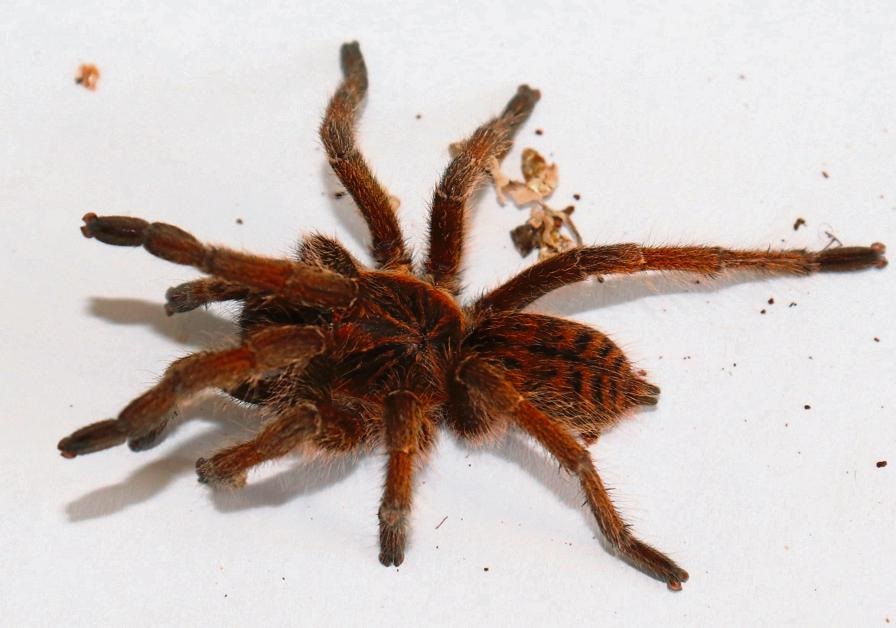
Among the wild animals seized from Nicholas Aitchison were more than 40 highly venomous snakes, of which three were adult Mangshan Pit Vipers – a critically endangered species that occurs only in a small forested mountainous area in southern China, and three baboon spiders, according to a media release by CapeNature.
His jail sentence was suspended for five years on condition that he is not convicted of contravening any national or provincial environmental laws relating to the acquisition, disposal, trade, import, export, transport, possession, keeping in captivity or capture of wild animals or for defeating or obstructing the course of justice within that five-year period.
Arrested last year
Aitchison was arrested last year following an investigation by the stock theft and endangered species unit of Kuils River police and CapeNature.
During the execution of multiple search and seizure warrants, 56 wild animals were found at his residence in Durbanville. The majority of the animals were species that are prohibited in private captivity in the Western Cape.
Aitchison has also been linked to two other known and convicted international wildlife traffickers through collaboration between CapeNature, the United States Fish and Wildlife Service’s office of law enforcement and the environmental enforcement fusion centre of the national department of forestry, fisheries and the environment (DFFE).
According to the most recent conservation assessment by the International Union for the Conservation of Nature (IUCN), there are less than 500 adults of Mangshan Pit Vipers left in the wild, according to the media release.
Extinction
“The illegal harvesting of this species from their natural habitat in China and the subsequent international trafficking of these snakes for the illegal exotic pet market and specialist hobbyists and collectors, poses an extreme risk that may push this species into extinction. China has never authorised the legal export of any Mangshan Pit Vipers,” it states.
“We are satisfied with the successful conviction on all 16 charges and the sentence imposed. It should serve as a deterrent for people who involve themselves in wildlife crime in the Western Cape and as an example of the enforcement and prosecution success that can be obtained through provincial, national and international collaboration across environmental law enforcement, criminal justice and private sector roleplayers,” says Dr Ahsley Naidoo, chief executive officer of CapeNature.
Return to China
CapeNature is working with the DFFE, the Mangshan National Nature Reserve and the Chinese government to return the three Mangshan Pit Vipers to China, where they may be used in a conservation breeding programme. Their offspring will be returned to the wild to bolster the critically endangered population of this species in their native habitat.
All activities involving the hunting (including capturing), trade, possession, captivity or translocation (including import, export and transport within the province) of wild animals in the Western Cape is regulated by CapeNature.
- Permit enquiries can be directed to permits.fax@capenature.co.za. Suspicion of any illegal activities pertaining to environmental crime can be reported to Law.enforcement@westerncape.gov.za or on the 24-hour toll-free incidents hotline at 0800 205 005.