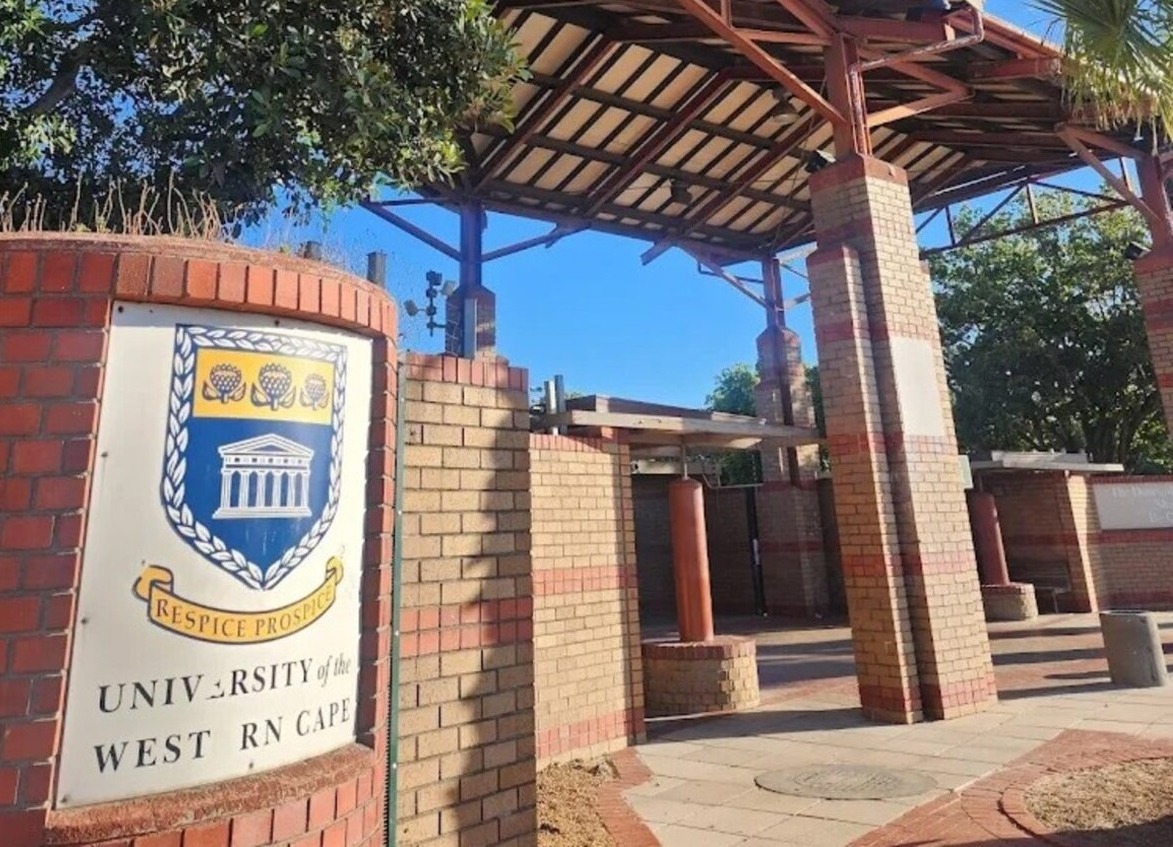


With bullets still flying on the Cape Flats, killing young and old, a one-day seminar on “Gangsterism and Social Dysfunction” was held at the University of the Western Cape (UWC) on Wednesday 18 March, bringing stakeholders from civil society, faith-based organisations, government, policing structures, academia and affected communities together.
TygerBurger reported on five different triple or double murders since the beginning of March, stretching across communities such as Kraaifontein, Delft, Mfuleni, Nyanga, Gugulethu and Mitchell’s Plain. Almost all the murders are alleged gangland killings, with retaliation attacks being commonplace.
The most recent crime statistics (third quarter, covering October to December 2025) show 257 out of 276 murders described as “gang-related” occurred in the Western Cape. It is also the province with the second highest murder ratio per 100 000 (15.2).
In the third quarter nationally 6 351 people were killed, with 1 198 occurring in the Western Cape.
The only good news is that there was a decline of 3,4% (44 fewer) murders from the previous quarter.
Six of the top 10 stations for murder in the country are in Cape Town communities. Those stations are Mfuleni, Nyanga, Delft, Gugulethu, Khayelitsha and Kraaifontein.
UWC
With these statistics in mind the seminar was convened by UWC’s Professor Jaap Durand, research chair in Gender, Transformation and World making in the Faculty of Law, in partnership with the Cape Crime Crisis Coalition.
“As gang violence and organised crime continue to grip communities across the Western Cape the seminar hosted by the UWC has called for urgent, coordinated action across society to address what participants described as a deeply entrenched social crisis,” reads a statement sent to TygerBurger by Professor Hein Willemse, who chaired the seminar.
“At a time when rising violent deaths in townships and the expansion of organised crime dominate public discourse the seminar aimed to move beyond headlines and create a collaborative platform to interrogate the roots of gangsterism, assess its social impact and propose workable interventions,” reads the statement.
“Discussions traced the origins of gangs in South Africa, noting that some prison gangs date back more than a century. Over time these formations have evolved from loosely organised street gangs into sophisticated criminal syndicates involved in drug and human trafficking, racketeering, corruption and other forms of organised crime. Participants emphasised that gangsterism is not merely criminal but also cultural, governed by internal codes, hierarchies and ideological norms. This subculture has proven resilient, adapting to changing socio-economic conditions.”
Apartheid spatial planning
Speakers further highlighted how colonial and apartheid spatial planning had laid the groundwork for gangsterism, particularly in the Western Cape. The legacy of forced removals, segregated communities and economic marginalisation continued to shape environments in which gangs thrive.
The seminar painted a stark picture of the pervasive impact of gang activity. In affected areas, basic rights, including freedom of movement, association and expression are often curtailed. Gangs, in many instances, function as surrogate families in contexts marked by social fragmentation and inter-generational violence.
“Participants raised serious concerns about the infiltration of gang networks into law enforcement and governance structures, alongside compromised police intelligence and a growing trust deficit between communities and the police. The vulnerability of young people emerged as a central theme. High dropout rates among boys — particularly between Grades 7 and 11 — were identified as a key driver of gang recruitment. In high-risk districts as many as one in four learners who reach Grade 9 do not complete Grade 12, while a significant proportion of youth offenders have exited the school system prematurely.
“For girls, pathways into gang environments are often shaped by socio-biological factors, including teenage pregnancy and sexual exploitation. In the 2024-’25 period alone more than 10 000 births in the Western Cape were recorded among mothers aged 11 to 19, with many young women not returning to school. Relationships with gang members are frequently framed as a means of protection, further entrenching vulnerability.”
The seminar concluded with a clear message: addressing gangsterism in the Western Cape requires more than law enforcement alone. It demands a comprehensive, society-wide response rooted in collaboration, prevention and community empowerment.