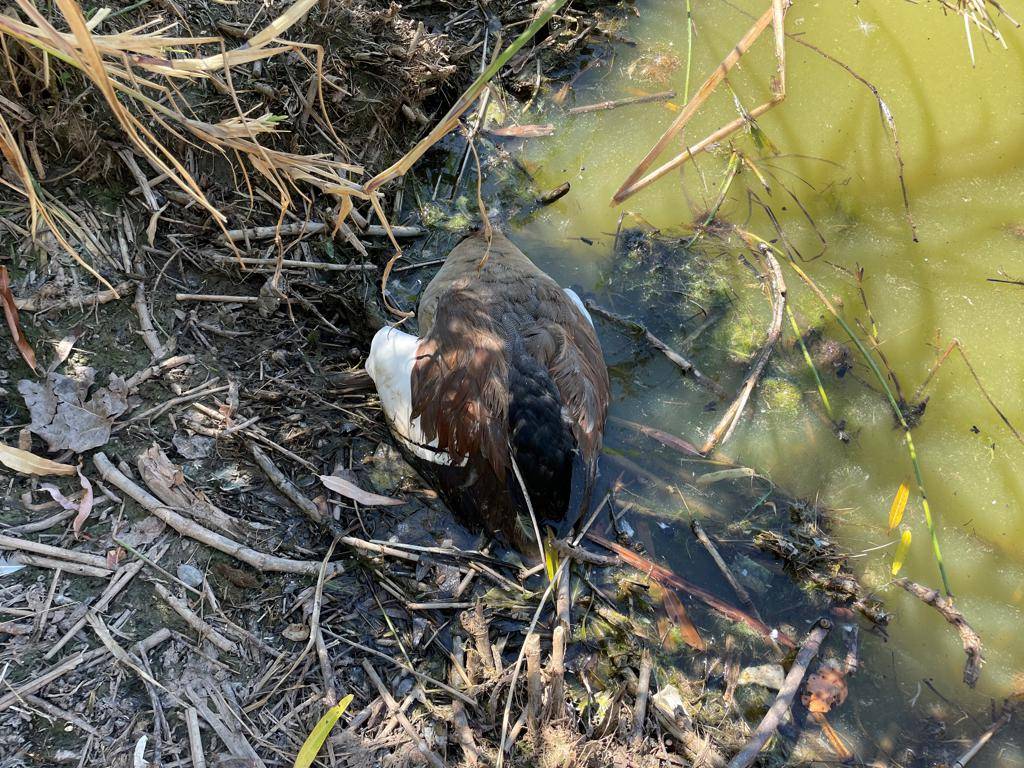

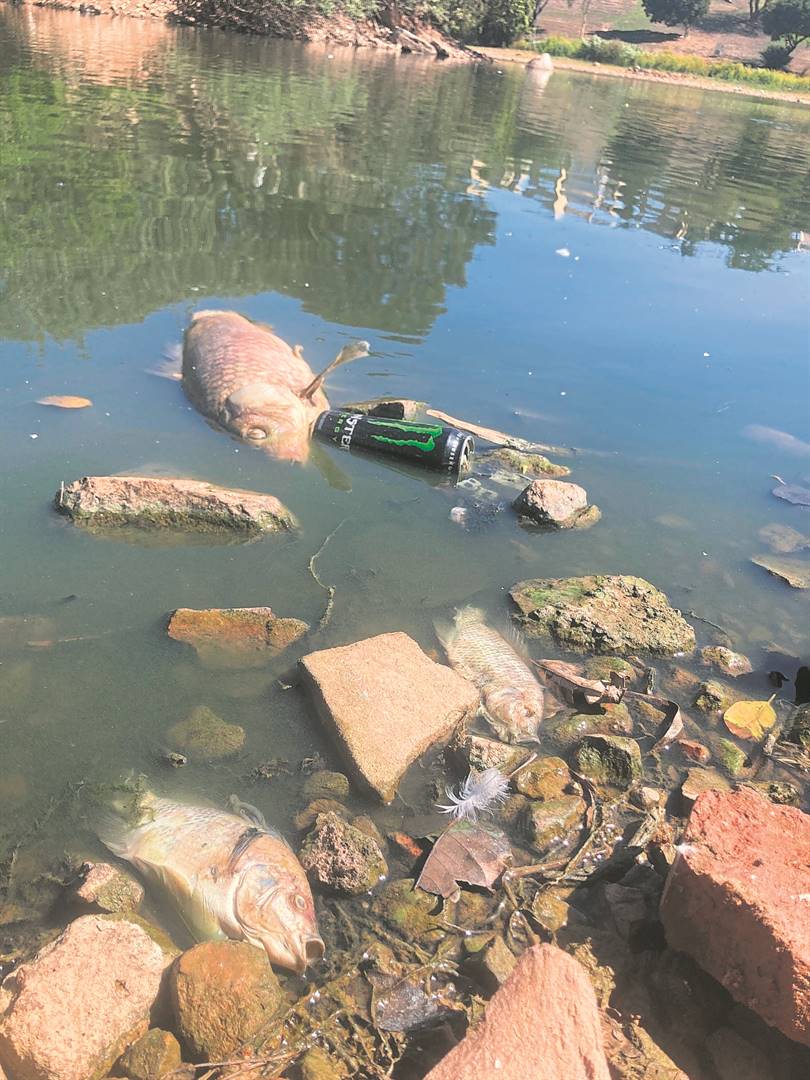
Residents were shocked to find scores of dead fish washing ashore the Rosendal Dam over the past few days, the pungent smell of their death still heavy in the air.
The sight and smell of the fish have almost brought the nearby areas to a standstill, with many a Whatsapp group discussion started on the cause.
“The fish are dying en masse,” a resident said in a message to TygerBurger last Monday. “There are dead fish everywhere. The air is pungent…”
As an estimated more than 100 dead fish popped ashore, messages became more urgent. “We have a health and safety issue in one of our municipal parks and recreational areas,” the reader said. “Our fear is that the waterfowl will be next. The state of the water in the dam is the worst we have ever seen in 28 odd years.”
Reason
Luthando Tyhalibongo, City of Cape Town spokesperson, says the latest bout of deaths started in the week of 30 March this year. The previous deaths were reported in mid October 2023.
In short, the reason for the mass death is the shortage of oxygen in the water, Tyhalibongo says.
The problem, which has been a recurring issue for years, stems from the fact that the dam is a remnant of a clay quarry that was converted into the dam in the 1970s.
“This was done by allowing storm water from the higher laying areas, to flow into the land hollow (hole in the ground) and the building of an outlet on the opposite side,” Tyhalibongo says.
“During winter, the dam fills with storm water. The dam acts as a sump (a space like a reservoir that collects water), trapping waste and pollutants that flow into it. This settles on the dam floor while excess water flows out of the dam via the outlet. During summer months the inflow of “fresh” water is reduced significantly, affecting the water quality.”
There are currently two known types of fish recorded at the dam, Smallmouth Bass and Common Carp, but it’s unknown how many are left after the latest incident.
Mass deaths
This year, the removal of fish has become trickier than before. Previously around 30 fish died at a time. This time, the City didn’t count. “Due to the large number and sizes varying from large to very small, the numbers have not been counted,” Tyhalibongo says.
Some residents estimate “hundreds” of fish died.
In the past, the fish carcasses were collected, bagged and taken to Vissershok landfill site, Tyhalibongo explains.
“With the sudden increase in numbers, the Recreation and Parks Department was requested to obtain a special permit to dispose of the carcasses.”
At the time of print the City was in discussion to obtain a permit and had disposed of a big portion of the fish by sending diggers to the dam, where the carcasses were buried in holes underground.
Long history
The overcrowding of birds at the dam only worsen the problem, compounding the build-up of toxins.
“A population of about 40 domesticated geese is found at the dam and roams Rosendal. In recent years, a population of cattle egrets also started to roost on the island in the dam, adding to the high nutrient levels and low oxygen levels of the water,” Tyhalibongo says.
Over the past few years, either the fish have died or waterfowl have walked away from the dam, looking for food in the nearby suburbs.
TygerBurger reported in 2022 of a similar incident (“Dead animals shock residents,” 2 Feb 2022). Around 31 dead fish and three dead birds were counted at the time.
In 2023 the dam was in the news because the resident geese had made a habit of ‘escaping’ into the nearby suburbs. (“A ‘dam’ problem: Toxic water keeps geese on the loose, 20 March 2023). At the time the City said the cycle was “merely (being) repeated”.
“Feeding of waterfowl attracts larger numbers of bird life, exceeding the population that the dam can sustain. This has a reinforcing effect on deteriorating water quality levels. The combination of decreased oxygen levels and high levels of nutrients and algae is a toxic combination and increases the risk of botulism. The cycle is merely repeated every year with winter rains washing pollutants into the dam, fortifying the cycle,” Patricia van der Ross, Mayco member for community services and health said at the time.
Rudolf Esterhuyse, who heads up the Rosendal Owners Association (ROA)’s environmental sub-committee, says they are working with residents, the City of Cape Town and other stakeholders to develop long term solutions to the dam’s water quality issues. “The dam is a much-loved recreational feature in the Rosendal area and the situation requires urgent attention. We thank everyone involved for their input thus far.”
Caution
Tyhalibongo says it is important to note that fishing is not permitted at the dam. “The fish are all declared invasive species and therefore cannot be saved and relocated.”
He also advises against touching the carcasses.
“Handling decaying carcasses without personal protective gear and proper cleansing is harmful to one’s health. Breathing in the foul smell is not harmful, although very unpleasant.”
He also asked residents to not feed wild animals as it causes a host of problem including bird excrement in the water which may lead to botulism and fish deaths, transfer of diseases, an unsanitary environment and increased health risk to animals.
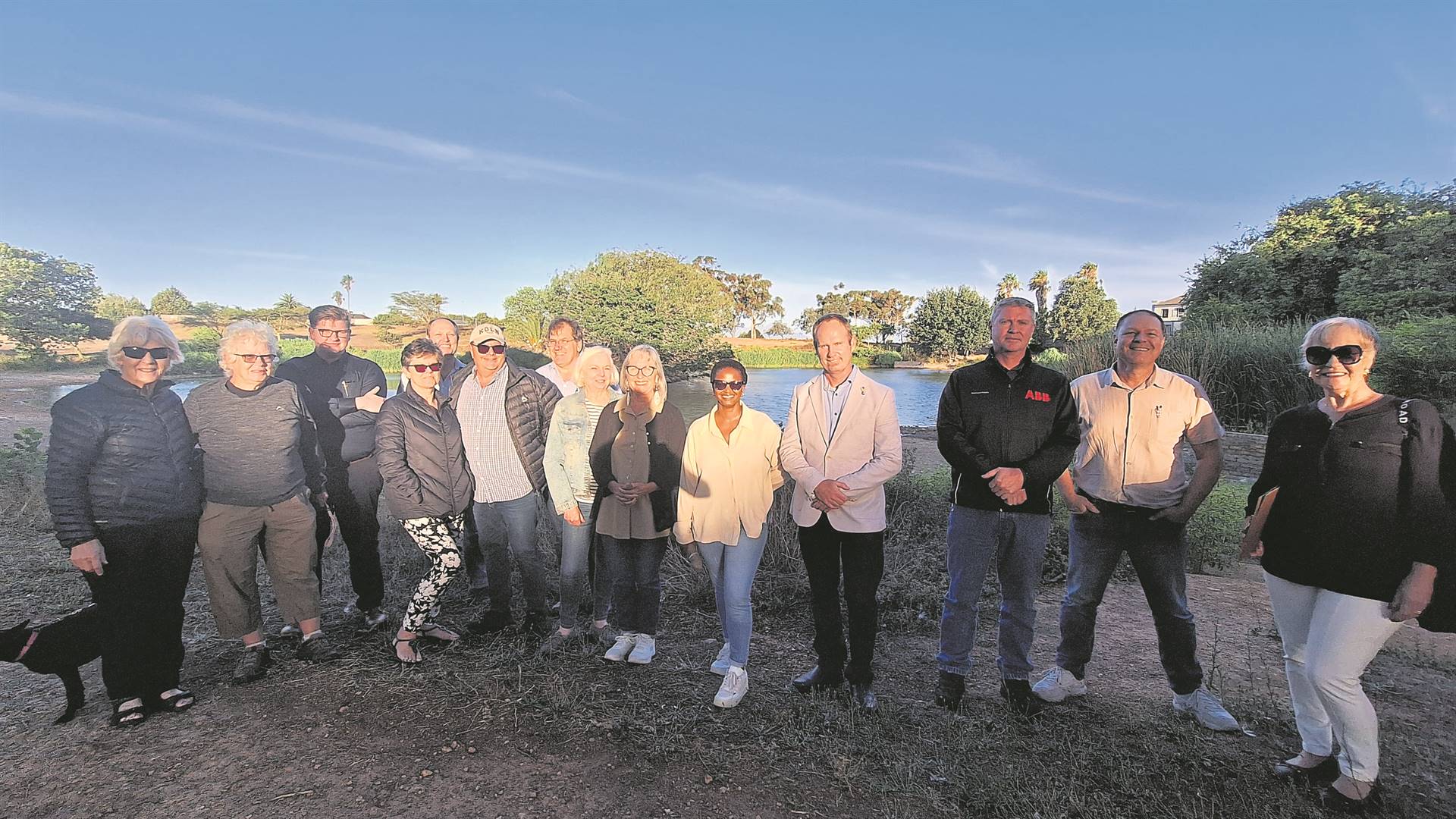
Hendri Terblanche, local ward councillor, has organised a public meeting for 4 April, at 17:30 to 18:30 at the dam, where he will discuss the issues.