
If it sounds too good to be true, it probably is not,” is the advice given by Adam Landman, an attorney of the high court of South Africa.
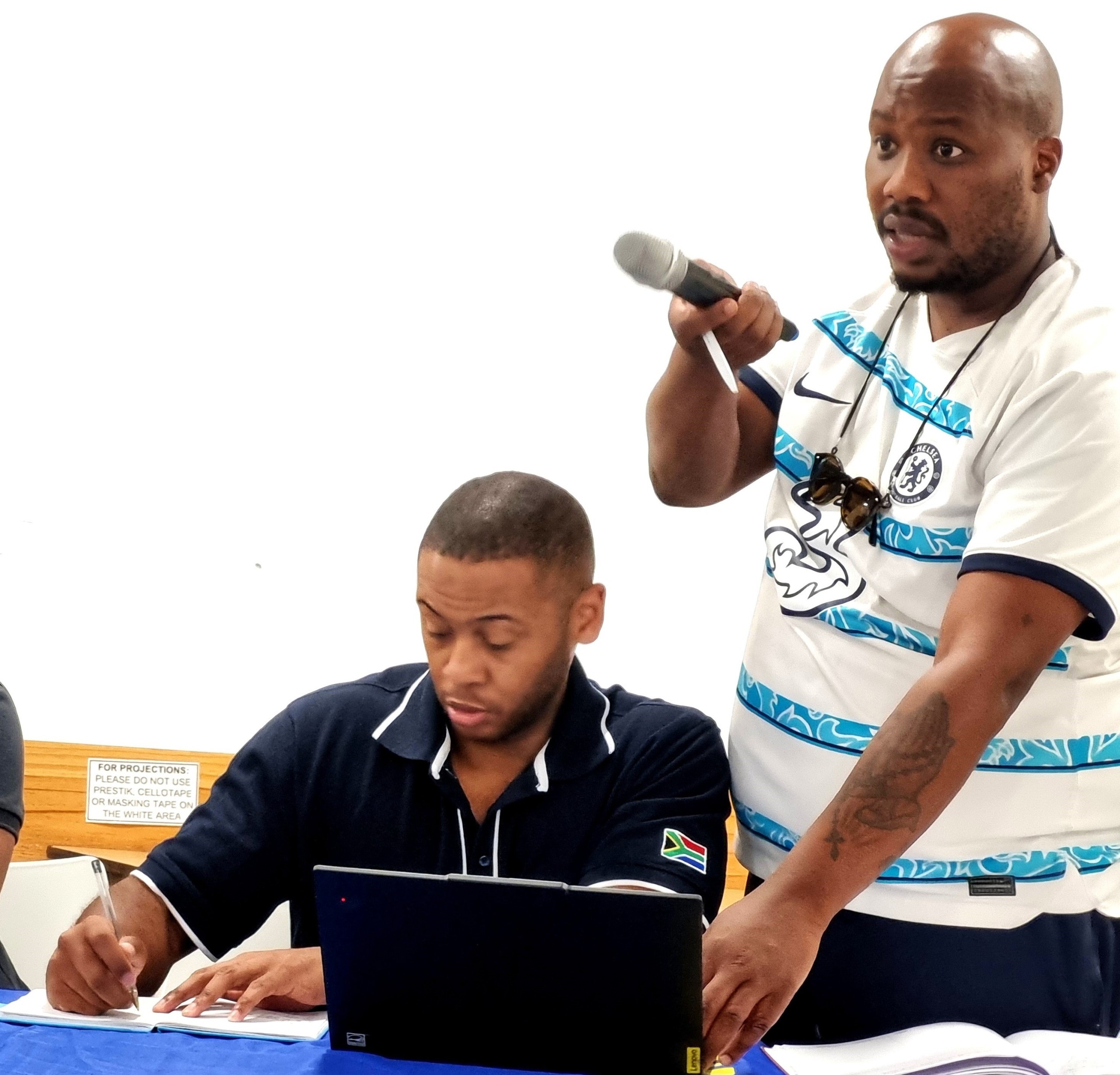
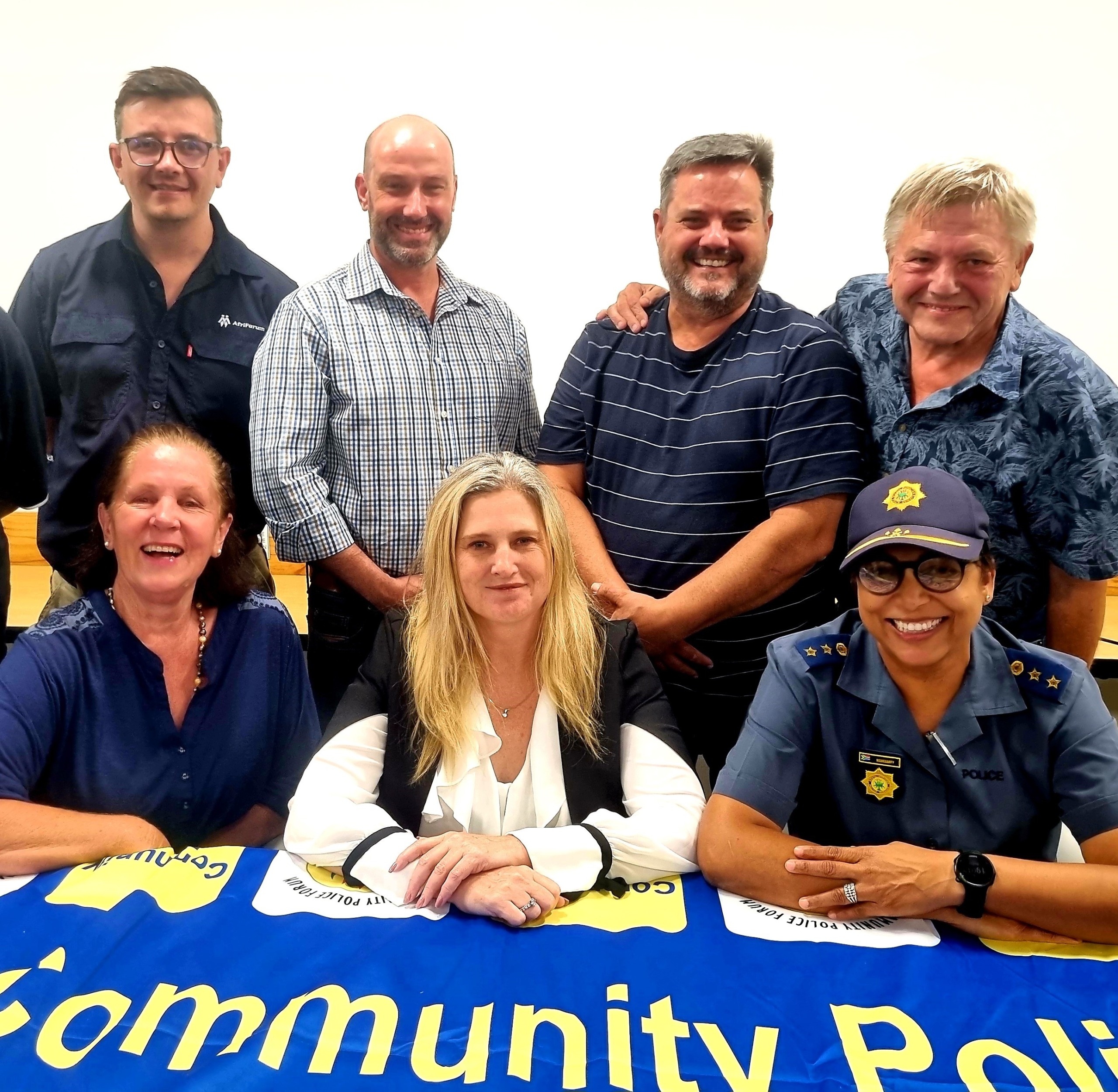
He shared tips on cyber fraud at the meeting of Durbanville Community Policing Forum (DCPF) last Thursday.
“Imagine waking up one morning to find your bank account wiped clean or your identity stolen and your personal information compromised. Sadly, this nightmare is a reality for thousands of South Africans every year.
Claims to be from bank
“New types of scams continue to emerge in which fraudsters lure you into providing your confidential info – via email, SMS, a phone call, malware or remote access. Anyone can be a target.
“Ultimately, it’s up to us to stay informed about scams and think twice before sharing personal details online or over the phone,” he said.
Banking fraud may involve fraudsters impersonating your bank, calling customers to request OTPs (one-time PINs), pin numbers or personal account details. Fraudsters are now also instructing customers to conduct transactions such as Instant Money and Electronic Financial Transfers (EFT).
“You receive a phone call from someone claiming to be from your bank or bank fraud department. They inform you that the security of your account or funds are compromised or suspicious activity has been detected on your account.
“You are then instructed to conduct transactions such as Instant Money and Electronic Financial Transfers (EFT).
“The Instant Money may be to your own number or an alternative number, which may show up as your banks number on caller identification apps such as Truecaller,” he said.
“You may be asked to transfer funds to a ‘safe account’. You’re then provided with an alternative account number to transfer funds into, claiming that it is for ‘safekeeping’ and to ‘prevent the fraud from happening’,” Landman said.
Online goods fraud
“Fraudsters infiltrate online platforms for buying and selling goods. You’re asked to pay upfront to buy on the site. You pay the seller, but the goods are never delivered and all communication thereafter ignored,” he warned.
“Never pay for goods upfront. Insist on viewing the items especially when purchasing from an independent seller.
“The seller doesn’t want you to view the goods but puts you under pressure to make the payment,” he explained.
“Make use of an Escrow service to reduce the risk of fraud when buying products or services online.
“Make online purchases using your credit card or virtual card rather than your debit card.
“Never purchase any goods before viewing them in person. Insist that the seller provides a real-time video. Make use of reverse image searches to check pics allegedly displaying your purchase,” he urged.
Internet pet sale scams
“The scammers know that buying pure-bred dogs from breeders is expensive and that many people may not want to be on the waiting lists that normally apply when going through breeders.
“So the scammers create official-looking websites, often using KUSA’s branding, where dogs are advertised at cheaper prices than they are available elsewhere and with the promise of rapid delivery.
“Communication with clients is made with WhatsApp or email as the scammers want to be able to hide their accents, as they are often not from South Africa.
“Once the scammers receive payment, they will be on to their next part of the scam. They will often concoct a bogus reason for why they can’t deliver the puppy or kitten, which requires you to pay more money.”
Landman advised that people should be concerned if a website is selling multiple different breeds of dogs or cats.
“Check online sources that provide lists of the many fraudulent pet sales sites online,” he advised.
Phishing Scams
Phishing is when fraudsters send you unsolicited emails in which they claim to be from a reliable organisation, like your bank, a business or a service provider, Landman said.
“It can also compromise your personal or digital banking credentials,” he said.
What you can do to protect yourself? “Send an email with the suspicious email attached to it to your bank.
“Install good antivirus software. Always check the senders’ email address and details, to ensure it is legitimate.
“Always confirm with your bank, business, or institution that has sent you the email if you have any doubts,” he said.
The Lonely Hearts Scam is a dating and romance scam that typically plays on your emotional and compassionate side in an attempt to steal funds.
“Fraudsters create fake profiles on legitimate dating websites or social media platforms and lure them into an online ‘relationship’.
“Once you’ve sent them money, you’ll likely never hear from them again,” Landman warned.
- The offer or promise sounds too good to be true;
- The person making contact claims to be from a government department, a bank, a business or to be acting on behalf of a family member and asks for money;
- Asks you to pay money upfront to receive your purchase, prize or gift;
- The offer takes you by surprise;
- You’re given little time to confirm your details, thereby catching you off guard; a sense of urgency or emergency is created to play on your emotions.
- You receive the communication via a free email address such as hotmail, yahoo or gmail;
- Ask you to wire or EFT them money, send cryptocurrency (Bitcoin), send money over a payment app or put money on a prepaid card or gift card and send it to them or give them the numbers on the card;
- Asking for access to or information related to your ATM cards, bank accounts, credit cards, cryptocurrency wallet keys or access codes, or investment accounts;
- Promised large sums of money for little or no effort on your part;
- You’re asked to provide money upfront to receive your purchase, prize or money;
- You’re asked to confirm personal or account details via a hyperlink, icon or attachment in an email or over the phone;
- You are pressured you to “act now” or else the deal will “go away’ or offers of a “great deal” without time to answer your questions.