

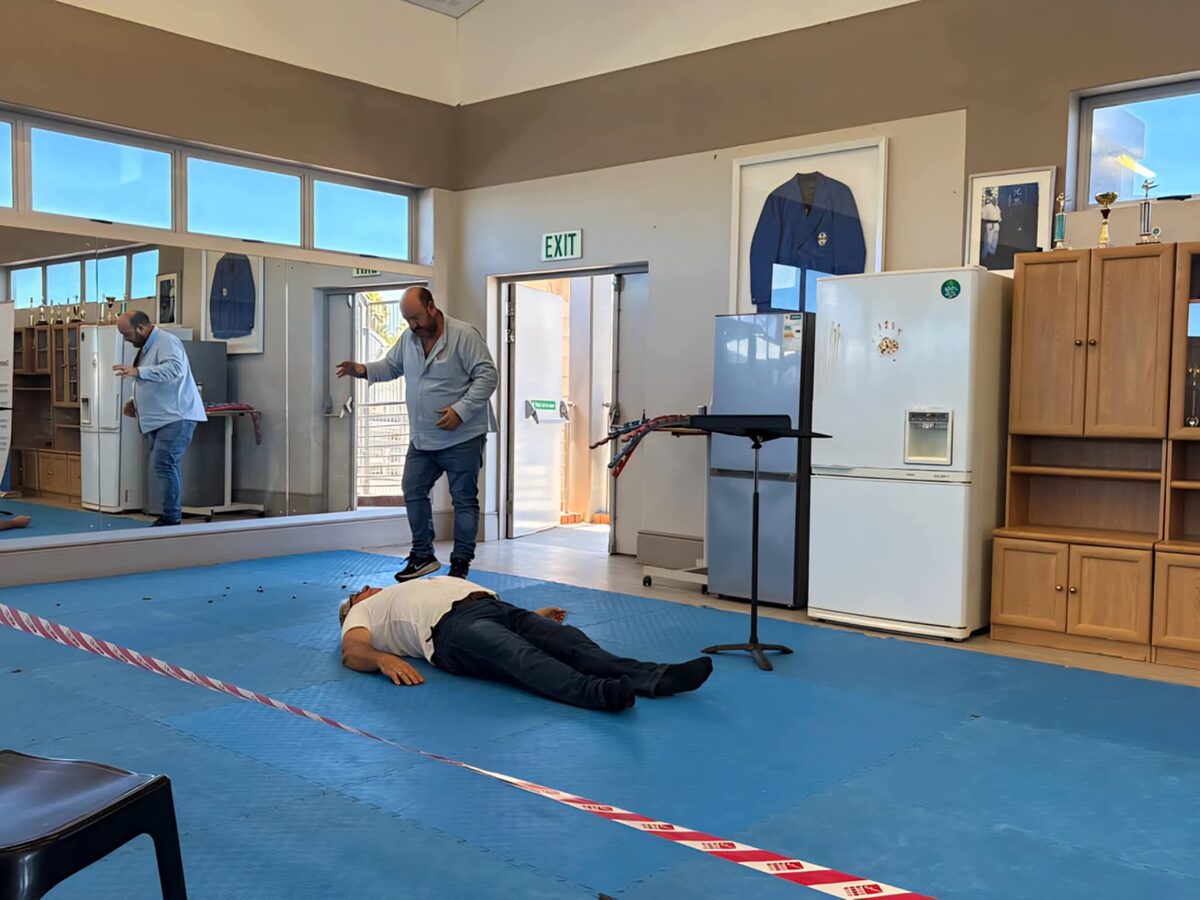
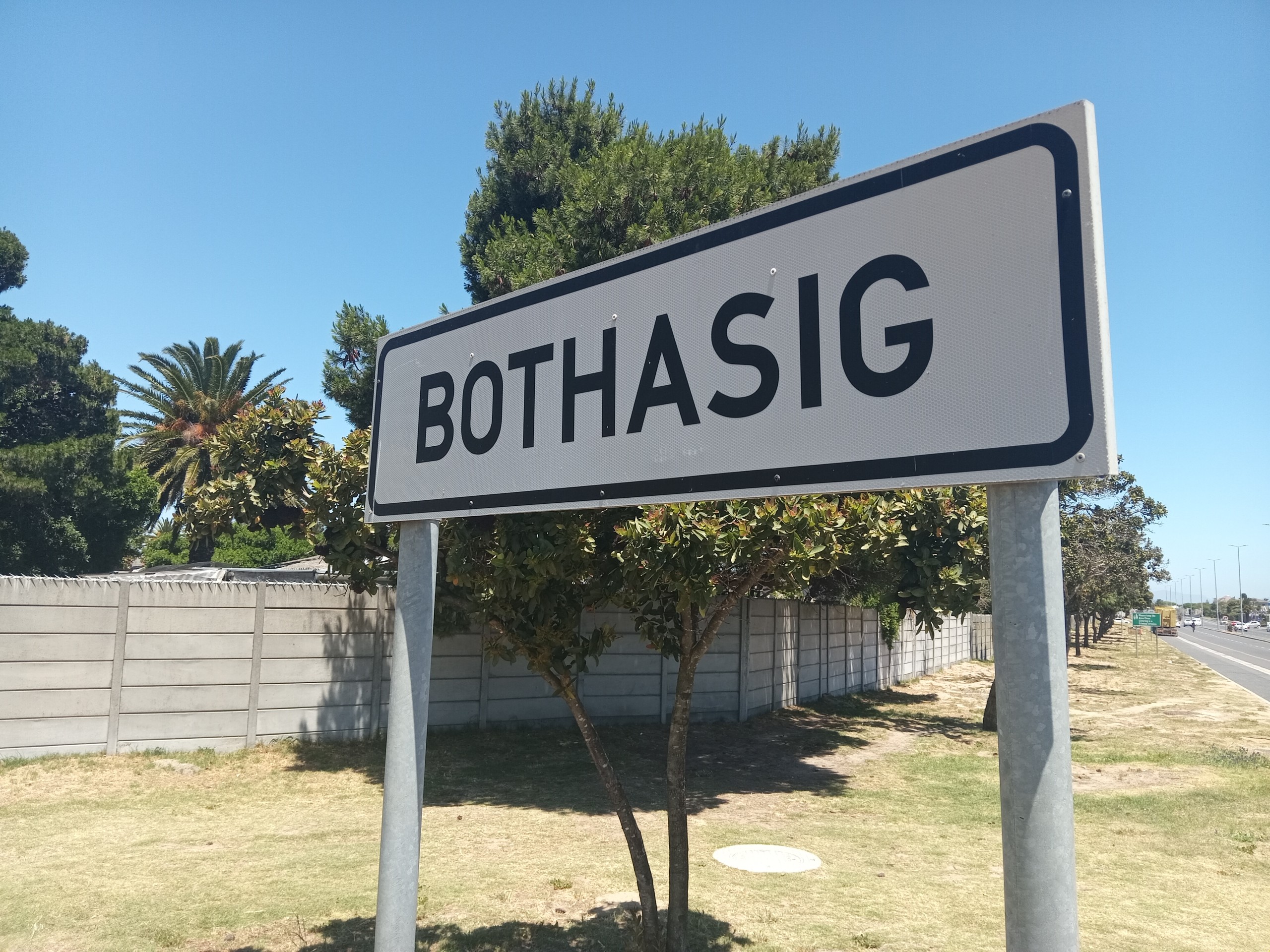
A crime-scene management workshop was held this past weekend in Cape Town’s Bothasig area. Its objective was to teach residents who belong to community-safety structures how to deal with crime scenes.
Free practical workshops were being offered to community policing forums (CPFs), Community in Blue (CiBs) and neighbourhood-watch organisations as part of an ongoing effort to strengthen and professionalise community-safety structures, said Mario Borchards, chair of the Bothasig CPF.
The workshops such as the one hosted this past weekend are offered by the Bothasig CPF and are facilitated by Jan Botha, CPF security specialist. Their focus of the workshops is to equip volunteers with the knowledge, skills and confidence required to operate effectively, responsibly and within the law when they are confronted with a crime scene situation.

“In high-pressure situations, such workshops improves decision-making, ensures legal compliance, promotes professional conduct and strengthens coordination with the police and other key stakeholders,” said Borchards. “Most importantly it builds community trust and contributes to safer, more resilient neighbourhoods.”
The practical workshops cover situational awareness, crime scene management, visible check-point safety and protocol, and self-defence and the law.
Borchards said by investing in ongoing training community-safety organisations move beyond good intentions and ensure that their actions in the field are ethical, lawful and effective, a critical step in supporting crime prevention and public safety at grassroots level.
Botha, the facilitator, concurred.
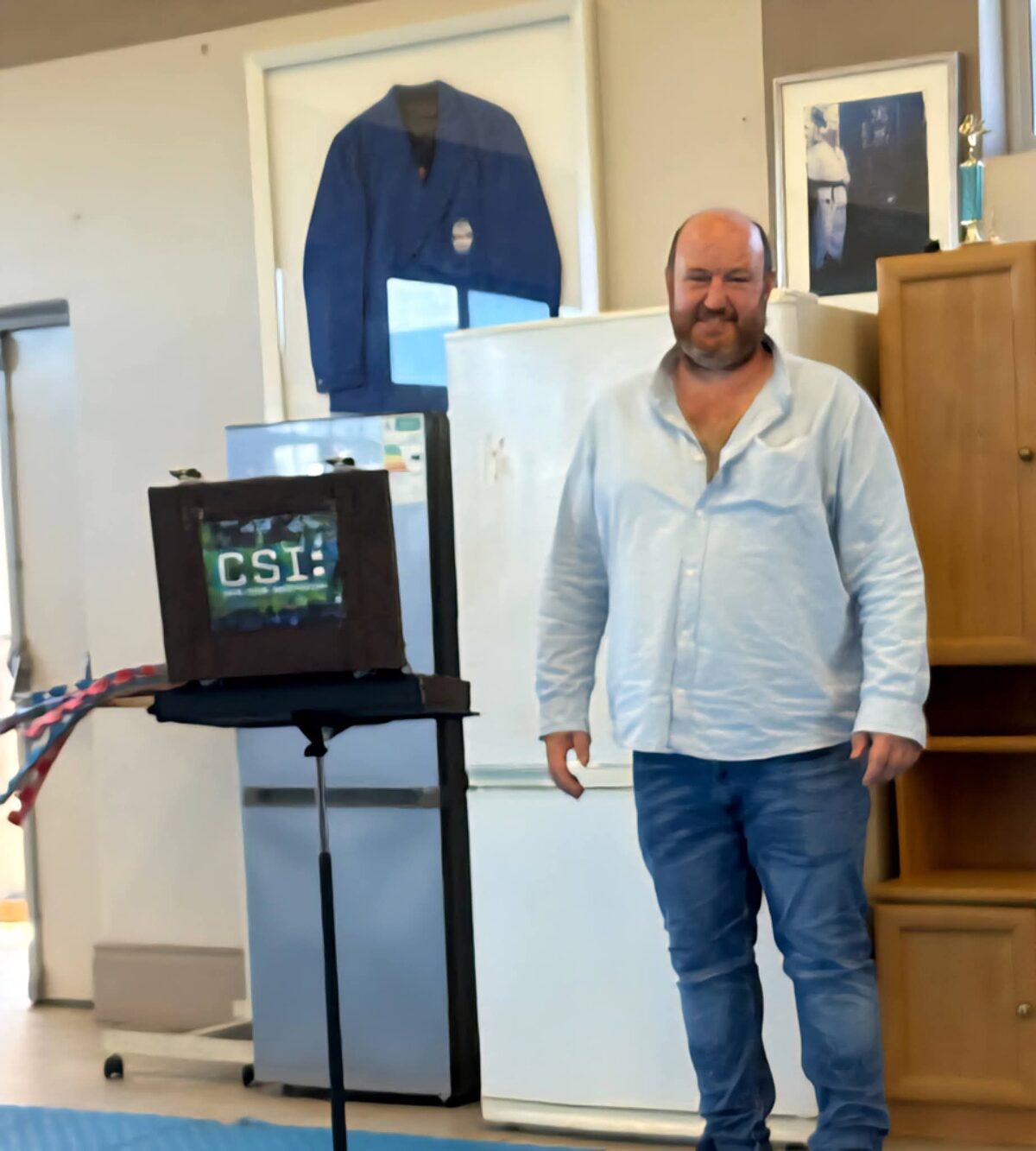
The purpose of running practical, in-field workshops is to upskill first responders, who in many cases are neighbourhood watch or CiB members. These volunteers are often the first on scene and play a critical role in stabilising situations before formal emergency services arrive, he said.
“Practical field training, such as crime scene management, motor-vehicle accident response and other high-pressure scenarios, ensures responders are equipped with a trained, level-headed approach when it matters most. The in-house training provided focuses on equipping patrollers with the necessary skills and knowledge to either take control of a scene until the police arrives or to effectively coordinate with and assist the police once they are on site.”
Botha said by undergoing training at these workshops members are empowered to make sound tactical and legally compliant decisions, as they understand the relevant procedures, protocols and limitations of their role.
“This ultimately enhances scene safety, preserves evidence and supports more effective law enforcement outcomes.”

You must be logged in to post a comment.