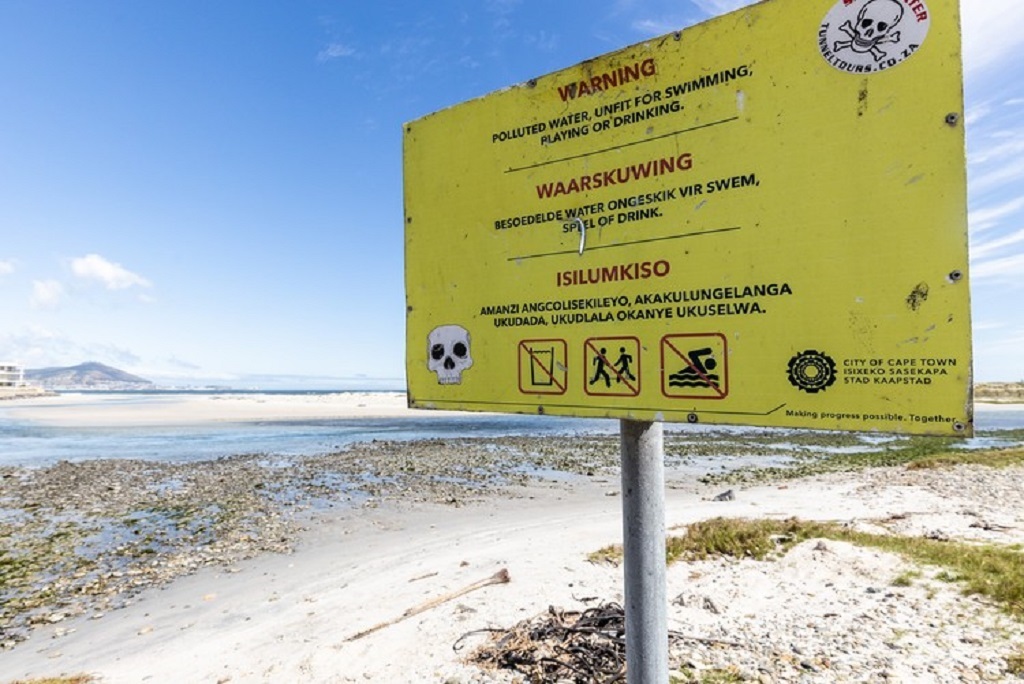

The City of Cape Town is taking renewed action to address the pollution in the Diep River estuary and Milnerton Lagoon.
Initiatives include stormwater studies, pond upgrades, and litter trap installations.
The City is working closely with communities and environmental groups to rehabilitate the area and ensure safe recreational use.
The City of Cape Town is taking renewed action to address the pollution in the Diep River estuary and Milnerton Lagoon.Initiatives include stormwater studies, pond upgrades, and litter trap installations.The City is working closely with communities and environmental groups to rehabilitate the area and ensure safe recreational use.For years, the pollution of the Diep River estuary and its surrounding areas has plagued the local community, raising concerns about environmental health and the future of this vital waterway.
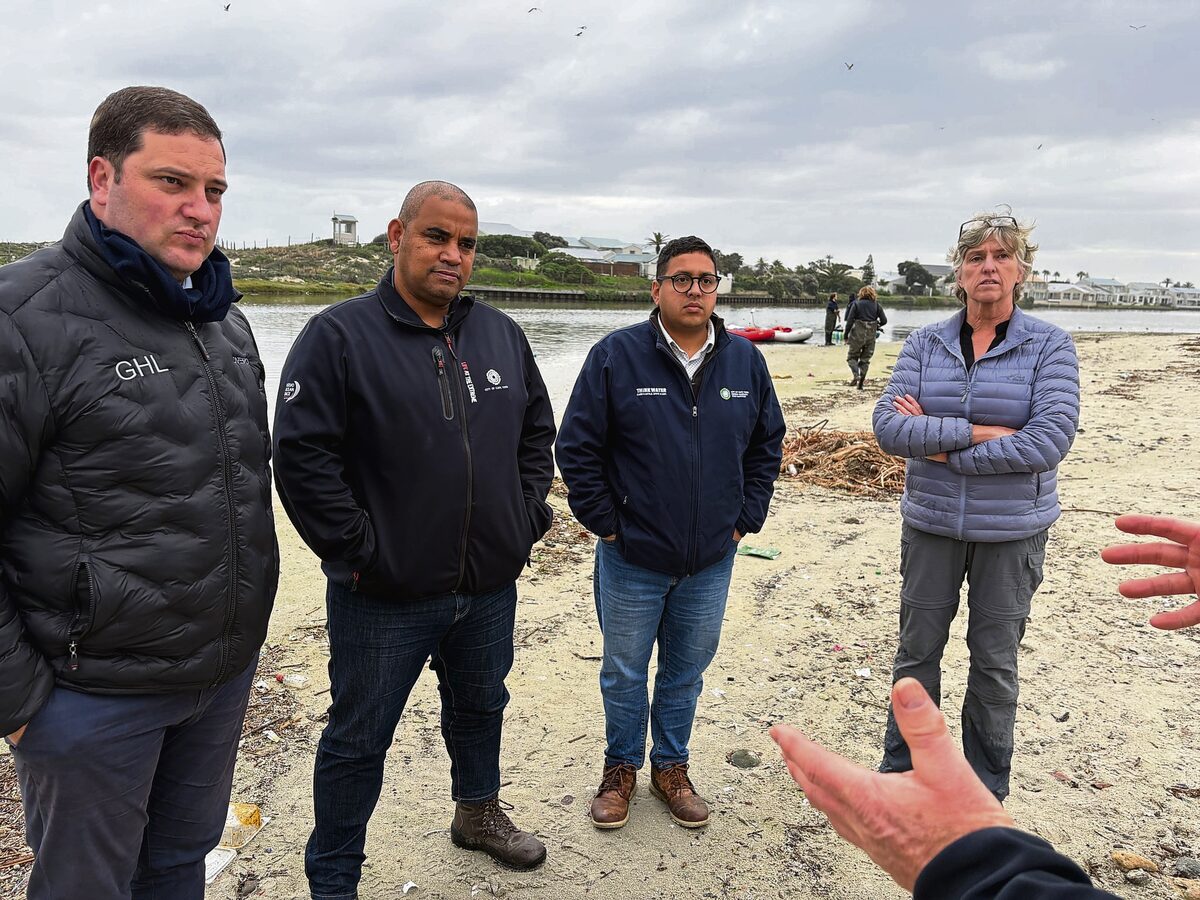
Last week a renewed effort to tackle this ongoing issue saw the City’s Mayco member for water and sanitation, Zahid Badroodien, join the newly established Diep River Catchment Management Forum (DRCMF) for a walk along the river.
This forum, part of the Mayoral Priority Programme: Sanitation, signifies a committed push towards cleaning the lower catchment to a standard that will not only protect the environment but also make it safe and enjoyable for recreational use.
The pollution of Milnerton Lagoon, the Diep River estuary and surrounds has been an ongoing problem for years. The stench reaches the Table View areas as well, and most have reported health concerns.
The Organisation Undoing Tax Abuse (Outa) says endless appeals to the City of Cape Town were ignored and despairing of any real change, residents’ associations appealed to Outa for help with applying pressure on the City and finding a solution.
#ReThinkTheStink, one of the groups, aims to raise awareness and drive change around the alarmingly high levels of pollution in the rivers, vleis and oceans around Cape Town.
Last year, the City announced that it had commenced a six-month aeration trial at the Diep River and Milnerton Lagoon to combat pollution.
Trial
The City said that the trial is part of their ongoing public commitment to address the pollution of the Diep River and Milnerton Lagoon, and the consequent negative environmental impact.
An environmentalist in Table View says raw sewage continues to flow uninterrupted into the Diep River, lagoon and ocean.
“An entire community is again subjected to air pollution from sewage emissions, raising serious health risks,” she says.
Several projects on the go
Badroodien says the City is doing everything to curb the ongoing issue. “This is a significant undertaking, as the Diep River catchment spans over 1 500 km², with nearly half of it within our City’s jurisdiction. It’s a complex system, impacted by urban, agricultural, and industrial activities, and it’s our responsibility to protect and rehabilitate it,” he says.
Key initiatives already underway include:Stormwater studies in Dunoon/Doornbach: Assessing and mitigating the impact of stormwater from high-density areas on the Diep River.Milky Way/Joe Slovo pond upgrades: Part of the broader efforts to rehabilitate the Diep River and its tributaries.Bayside Canal upgrade: Enhancing stormwater treatment to improve water quality before it enters Rietvlei.Litter net installations: Trialing innovative solutions to trap waste before it pollutes the river.
“I had the opportunity to join the newly established Diep River Catchment Management Forum (DRCMF) for a walk along the Diep River. This forum is part of the Mayoral Priority Programme: Sanitation, where the Mayor committed to cleaning the lower catchment to standards that will make it suitable for recreational activities. During our walk, the new chair, Rupert Koopman, emphasised that we must address the entire catchment if we want to achieve water quality that supports recreational use. This is just the beginning. As we continue these river walks with various catchment management forums, we’re building stronger partnerships with communities to protect Cape Town’s precious water resources,” Badroodien says.
As part of its Mayoral Priority Programme (MPP) the Water and Sanitation Directorate aims to establish Catchment Management Forums (CMFs) in areas where community partnership and joint interventions to improve inland water quality are needed.
The DRCMF held its inaugural meeting on 29 June where Rupert Koopman was elected as the interim chair, and Petra Broddle the interim deputy chair, both with professional expertise in botany.
The immediate priorities of the DRCMF are to focus on identifying social and environmental factors negatively affecting river management; to find solutions together with all members of the forum and surrounding communities, to the urban, agricultural, commercial and industrial pollution which ends up in vital watercourses.
More about the Diep River catchment area
The catchment spans across just over 1 500 km², of which almost 700 km² lies within the City of Cape Town’s municipal jurisdiction; while the remainder lies in the Cape Winelands District and West Coast District municipalities.
The Mosselbank River is the biggest tributary of the Diep River, rising in the Drakenstein Municipality along Old Paarl Road and the R304, and then crosses the N1 into Cape Town. The Mosselbank-Diep confluence is along Philadelphia Road. It flows towards the N7, past Vissershok Landfill, Table View informal housing sites and industrial areas towards the sea at Lagoon Beach, north of Paarden Eiland. The last part of the river, south of Dunoon, lies within the Table Bay Nature Reserve.
Over the past year the City has started several projects along the Diep River.
“A Dunoon/Doornbach Stormwater Study to assess water quality discharging into the Diep River and to analyse the existing stormwater drainage system,” Badroodien said. “Various mitigation measures are being reviewed, as Dunoon and Doornbach are high density, low-income, informal residential areas located adjacent to the Diep River. One main consideration is the Kleine Stink River’s floodplains which have informal dwellings situated within them and relocation is a major challenge. For this reason the study is assessing the feasibility of re-routing the Kleine Stink River away from the informal dwellings and discharging further upstream into the Diep.
The City will upgrade the Milky Way/Joe Slovo pond, which is currently in the detailed design phase, as part of the rehabilitation of the Diep River. A City-appointed service provider is developing interventions. “The Erica Road low-flow diversion is an initiative that came out of the Milky Way pond concept design,” Badroodien related.
“The low-flow diversion structure is located at the R27, behind Milnerton High School. Construction work was completed in July 2023. The low-flow diversion system is now fully operational, diverting polluted stormwater from Joe Slovo and Phoenix to the sewer system.”
The City says the Bayside Canal Upgrade aims to increase the capacity of the Bayside canal, to provide naturally-structured treatment facilities, which improve the quality of stormwater run-off that flows from the canal into the Rietvlei and provide adequate access for systematic maintenance in the future.
Litter traps
Caroline Marx, an environmental activist and creator of the Facebook group ReThinkTheStink, said the Milnerton Lagoon is in desperate need of litter traps, especially when there is litter as far as the eye can see.
“Installing litter nets, where currently 22 litter nets across outlets of stormwater pipes crossing Marine Drive are in place, to trial their efficacy in trapping general waste. A litter fence has also been installed across a channel downstream of the piped stormwater outlets to intercept litter before the flow enters the Diep.
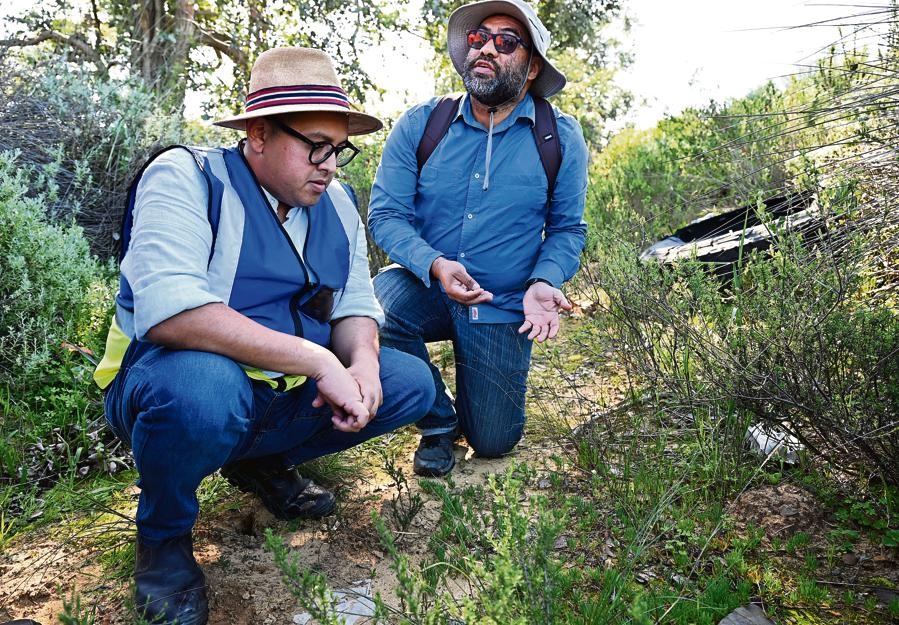
Koopman says this wet winter has given the City an ideal opportunity to see where the Diep River system wants to be.
“There are significant areas of high quality natural remnants in the catchment and, being botanists, we want to use springtime to get a better handle on what’s out,” he said. “We are also happy to work closer with City officials, landowners, communities and other stakeholders in the Diep River catchment area for the shared goal of a healthier, more productive river system.”
Badroodien said this is the first of a series of river walks he will be doing with the various CMFs that have been established over the last few months.
“It was lovely meeting the executive of the DRCMF and gaining insight into some of the challenges faced in the catchment, such as high-density informal settlements and a lack of water-balance in many residential areas.
“Managing a wastewater network that is constantly under pressure and poor water quality entering the river in general is a major concern. Establishing platforms for our operational teams for working together with community members, drawing on a wider pool of professional expertise, is a step forward in our strategic commitment to preserving Cape Town’s water resources.”