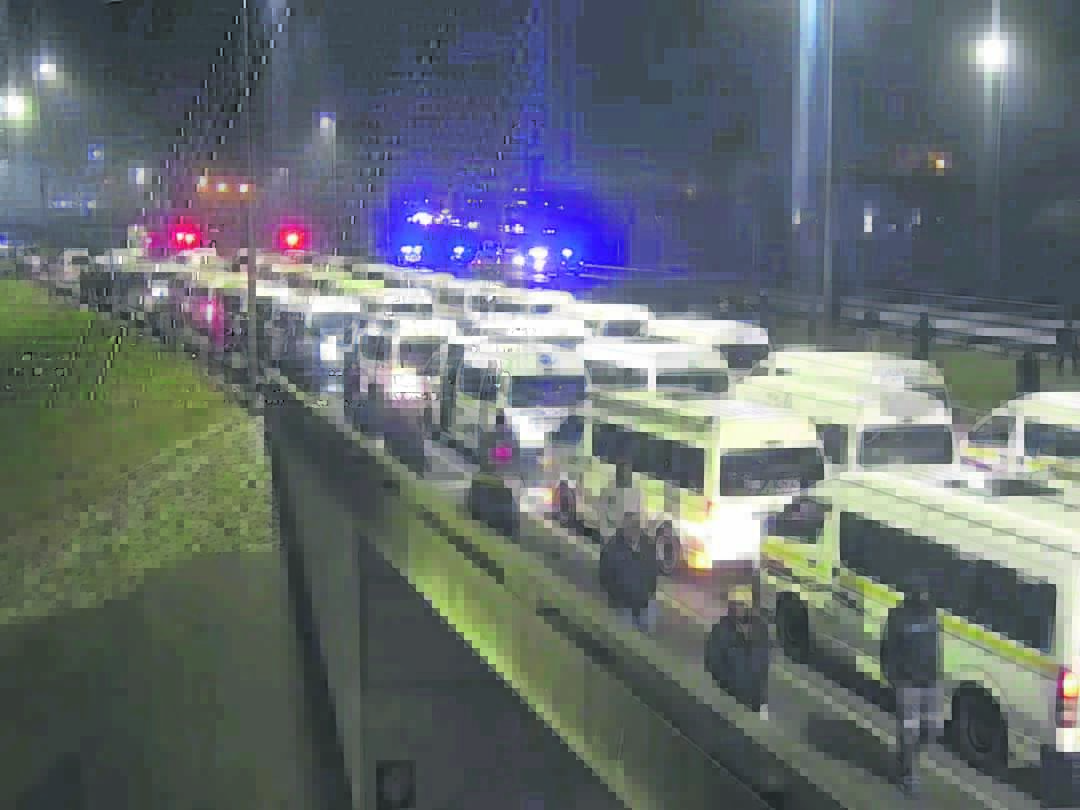

Chaos reigned in Cape Town over the past few days as a city-wide minibus taxi strike disrupted thousands of lives.
The stay-away is being led by the South African National Taxi Council in the Western Cape (Santaco-WC), with leaders demanding the City stop what the taxi industry is calling unfair and discriminatory practices against drivers.
Among other things, the body wants an end the impounding of vehicles by law-enforcement agencies.
The strike started on Thursday afternoon after Santaco-WC withdrew from what the Western Cape Government and City called the Minibus Taxi Task Team last week. The task team was started to address issues raised by different roleplayers in the industry and helped ease tensions , especially surrounding the B98 route between Paarl and Bellville, where taxi violence was so rife, the route was closed for months.
The strike has impacted numerous spheres of government and thousands of lives have been disrupted. Public transport operators have been attacked, City vehicles have been set alight, private vehicles have been stoned and major routes blocked. Elective surgeries at hospitals have been postponed and with reduced personnel care at clinics and community centres were run with limited capacity.
On Monday the strike prevented almost half a million learners and 17 449 staff members from getting to school, Kerry Mauchline, spokesperson to Minister David Maynier, has confirmed. A total of 27 schools had to close, and a number of other schools allowed learners to leave early if needed.
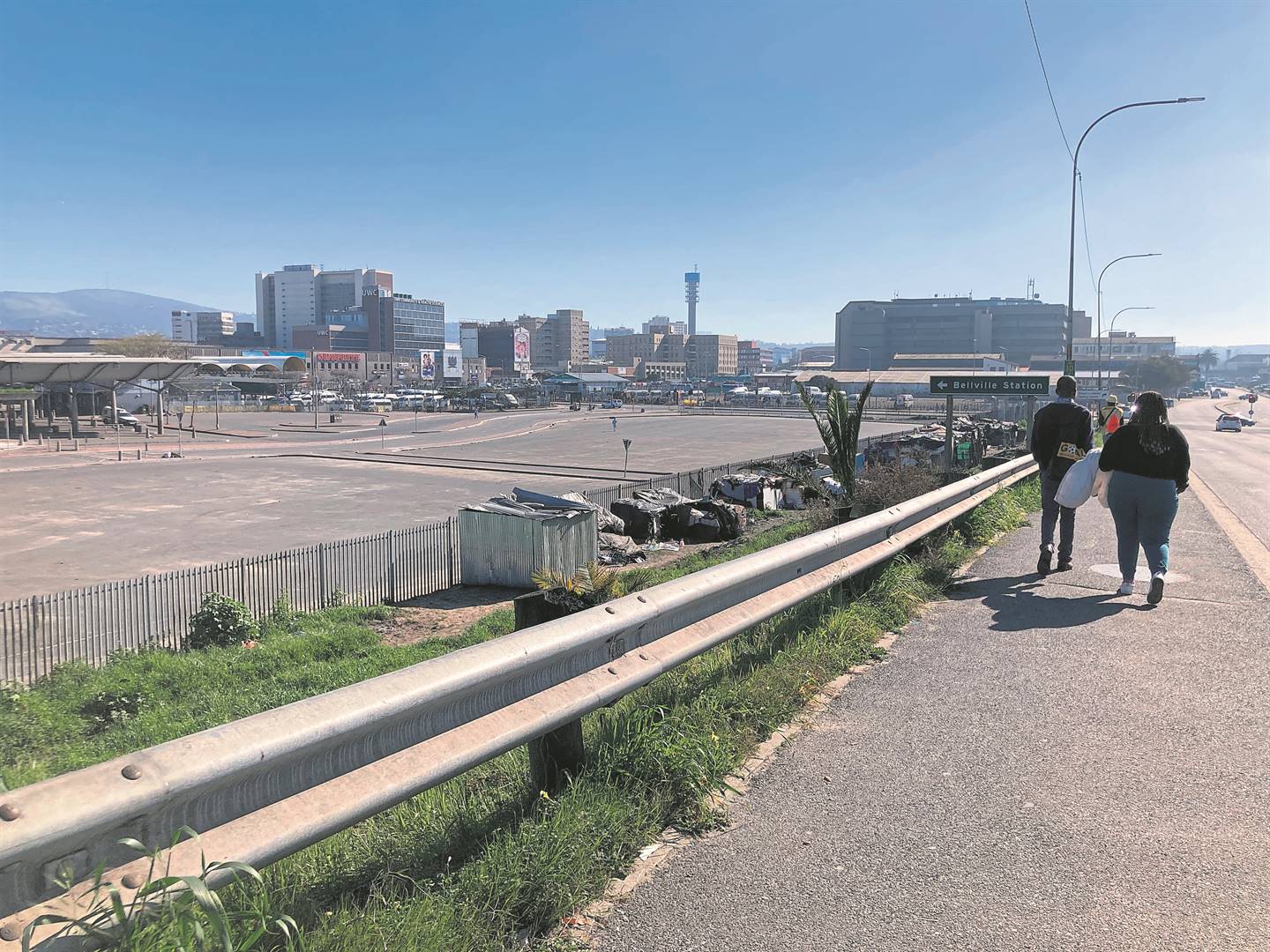
At the The Bellville Passenger Transport Interchange (BPTI), which includes buses, taxi’s and trains, police were on high alert on Monday.
The rank, which sees around 180 000 commuters daily and is one of the busiest stops in the whole of Cape Town, was eerily quiet.
Many tried to make their way to the area.
Jenery Saizi, a domestic worker who works in Eversdal and lives in Dunoon, says everything in her area was closed. “They are burning cars and goods for those that wants to trade along side the streets, as a results people are just indoors, even the schools are closed.”
She turned back when she saw cars set alight.
Unaware
When the strike first broke out, many were caught unaware. Eerste River resident Jo Sekepane took a taxi to work in the Tyger Valley area on Thursday morning. There were no signs of anything to be worried about at the Bellville Passenger Transport Interchange (BPTI) and she carried on with her day.
“When I was done at work and had to go home, there were no taxis in sight. I had to walk from Tyger Valley to Bellville with the hopes that there will be taxis available from Bellville to take me to Eerste River.”
She walked to the taxi rank, three kilometres away. She was alarmed when she saw there were no taxis. Hundreds of people were standing around, with no clear idea of what to do.
A man who usually works as a taxi driver suddenly came to their rescue and said he would take Sekepane and four others home in his Toyota Corolla. But to add insult to injury his car broke down halfway to Eerste River.
She called a family member who came to pick her up. She doesn’t know what happened to the other passengers. “It was already two hours after I left the office when the car broke down.”
There were people who walked home all along the R300 that evening, she recalls.
They were still lucky. Some, who managed to take the bus, were attacked when vigilante drivers tried to set buses alight.