

Would you think twice before putting that sugary cereal, soda or packet of crisps into your shopping basket, if a front-of-package warning label alerted you of a high sugar, salt or saturated fat content?
A recent study conducted on South African consumers says yes.
For the study several warning labels were designed to be tested on participants.
Those shown the triangular nutrient warning label could identify unhealthy products more accurately and people were less likely to buy it.
This study adds to the growing evidence that front-of-package warning labels are the most effective labelling scheme to help consumers steer away from unhealthy food products.
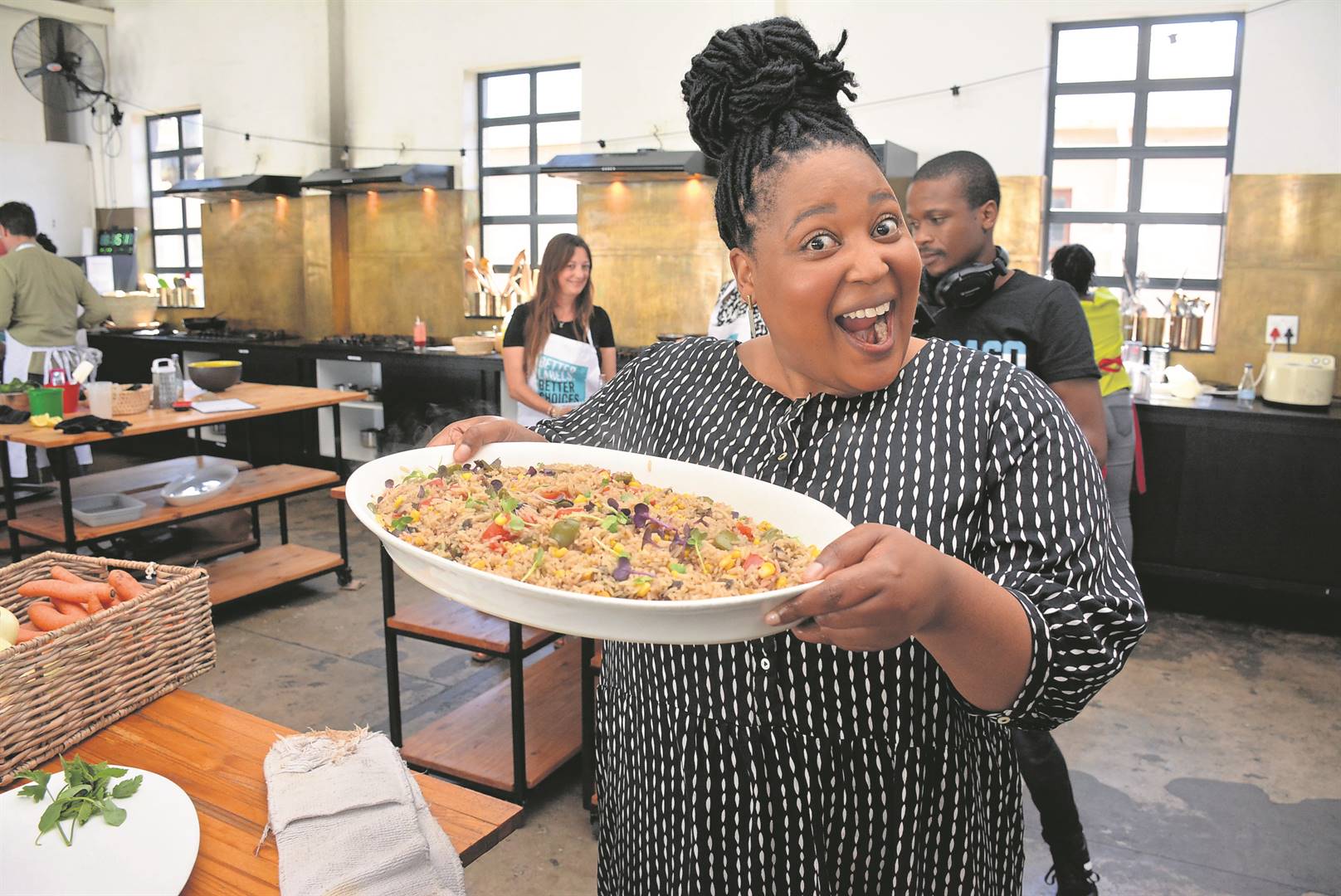
To shine a light on how improving our health and wellness starts with nutritious diets, advocacy group Healthy Living Alliance (Heala) recently hosted an interactive cooking session with celebrity chef Zola Nene at Food Jams in Cape Town, as part of its recently launched, national #whatsinourfood campaign which urges South Africans to take a stand against unhealthy food.
‘Change how we eat’
With the simple message, “The fresher the better – it’s time to change how we eat”, the campaign calls for laws to enable consumers to return to real, unprocessed foods with nutritious and recognisable ingredients.
Patterns of food consumption have changed rapidly in recent decades.
The impact of the modern diet, and specifically high-energy foods, on human health has led to serious ailments.
“Our modern diet is characterised by high intakes of pre-packaged foods, refined grains, processed meat, high-sugar drinks, sweets, fried food and high-fat dairy products.
“We haven’t always eaten this way. Our grandparents were more in tune with nature, ate fewer processed foods, and cooked vegetables and fruits that grew in their backyard.
“The kitchen was the heart of the house. They didn’t have to make conscious efforts to eat healthy foods – it was a way of life for them which contributed to their good health and longevity,” says Nzama Mbalati from Heala.
“We need to return to real, well-grown, unprocessed food – fresh fruits and vegetables, whole grains, nuts, seeds, seafood, and pasture raised animal products.”
Chef Nene agrees. She stressed the importance of cooking with fresh, colourful, seasonal vegetables; grass-fed protein; grains and ripe fruits and berries.
Unhealthy eating habits
Dietician and senior lecturer at the University of Limpopo Makoma Bopape says South-Africans, generally speaking, are unhealthy and overweight because they eat a lot of processed foods.
“Healthy food is not necessarily not tasty. Research done on unhealthy eating habits found that the money spent on medical care due to these habits, can be better spent on healthy food,” she said to TygerBurger.
Chief director of health promotion at the national department of health Dr Lynn Moeng says children are born without taste buds.
“We introduce it to them and by giving them sweets at a young age we create generations of sweet tooths. The challenge is that healthy food is not readily available and that people seldom read the labels,” she says.
Obesity increased
According to the World Health Organisation, worldwide obesity has nearly tripled since 1975.
In 2016, more than 1,9 billion adults, 18 years and older, were overweight. Of these over 650 million were obese. Obesity increases the risk of several debilitating, and deadly diseases, including diabetes, heart disease, cancers and more, all of which have seen a profound increase over the years.
“Eating real, whole food is often a question of accessibility,” says Mbalati.
“What choice do you have when you can’t afford healthy food? In addition, the food and beverage companies unfairly and disproportionately target unhealthy products at low-income communities. Our communities should not be shamed for the choices they are forced to make. Instead, the important driver of long-term change will be for us all to demand policy changes from government that will make healthier food and beverages more affordable.”
Food companies profit
Mbalati stresses that consumers are being influenced by an industry that is only seeking profits.
“Food companies are a major driver for the rising burden of nutrition-related chronic diseases. Parents and children are the targets of aggressive advertising campaigns which mislead people into believing that products such as fruit juices, yoghurt and breakfast cereals are healthy, when they often contain harmful ingredients. We need to change our perceptions of these products and fight for our right to access healthy food, more easily.”
The #whatsinourfood campaign calls on government to demand that food and beverage companies put clear front-of-package warning labels on food items high in fat, sugar and salt in order for consumers to make better choices.
“We need to return to our grandparents’ ways of eating if we want to live longer, healthier and happier lives.
“That is why we are inviting the public to join the #whatsinourfood campaign,” says Mbalati.
- Visit: www.whatsinourfood.org.za to get more information on how you can be a part of the cause, or add your voice by sending a WhatsApp to: 079 751 9751.